← Back

Abbey of Fossanova

Via San Tommaso d'Aquino, 1, 04015 Priverno LT, Italia ★★★★☆ 434 views
Ryanna Mills
Priverno
🏆 AI Trip Planner 2026

Get the free app

Discover the best of Priverno with Secret World — the AI trip planner with 1M+ destinations. Get personalized itineraries, hidden gems and local tips. Free on iOS & Android.

🧠 AI Itineraries 🎒 Trip Toolkit 🎮 KnowWhere Game 🎧 Audio Guides 📹 Videos
Download on the App Store Get it on Google Play
Scan to download Scan to download

Religious places · Priverno

Abbey of Fossanova - Priverno | Secret World Trip Planner

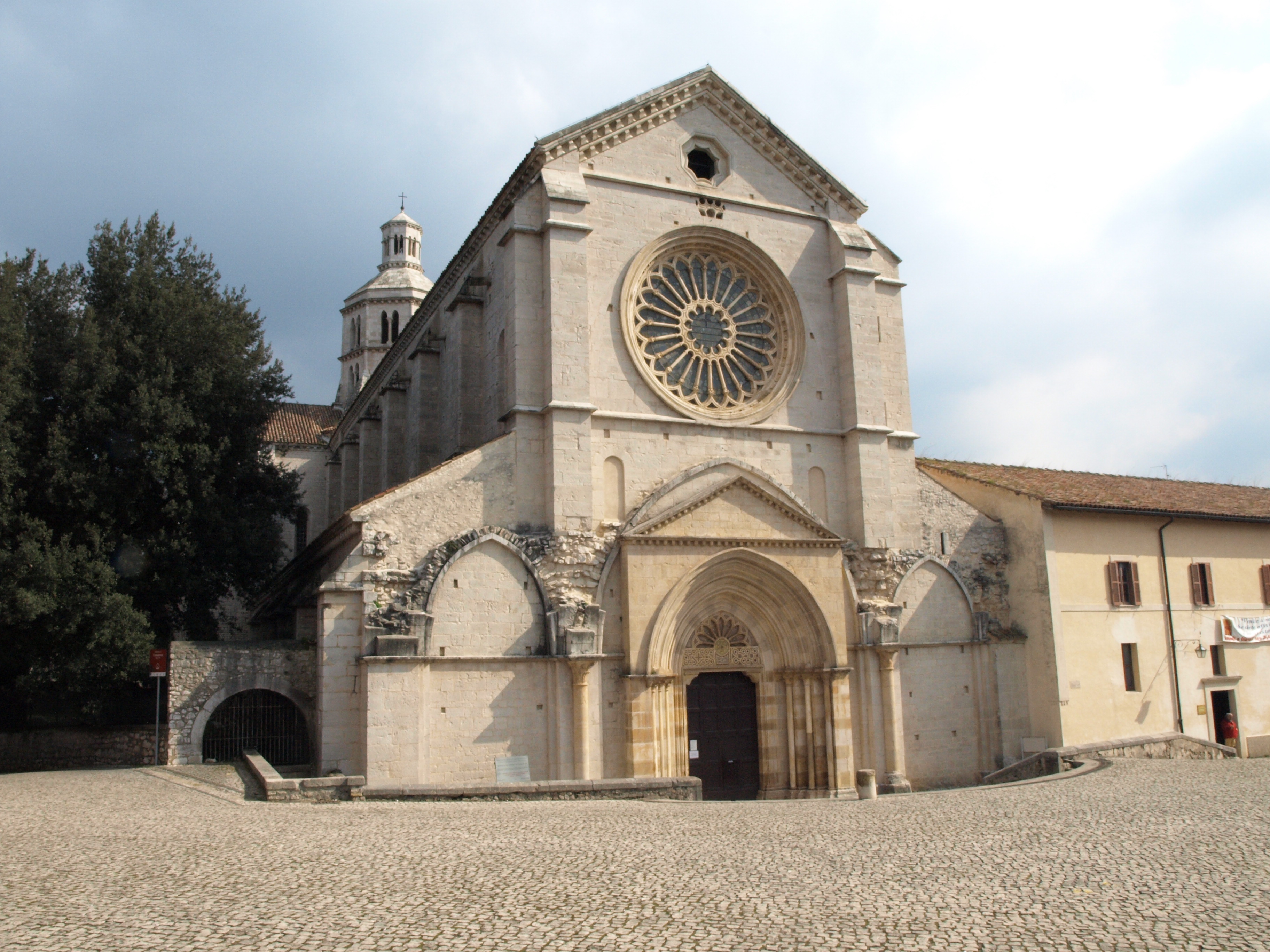
Nestled in the Pontine plain near the ancient Appian Way, the Abbey of Fossanova stands as a testament to the profound legacy of monastic life in Italy. This Benedictine monastery, officially known as Santo Stefano di Fossanova, is a remarkable example of Cistercian-Gothic art, intricately woven into the fabric of Italian history and spirituality.

Abbey of Fossanova - Priverno | Secret World Trip Planner

### History and Origins

The origins of the Abbey of Fossanova trace back to the 12th century, built upon the remnants of a Roman villa from the Republican era. Initially a Benedictine establishment, it underwent a pivotal transformation in 1135 when Pope Innocent II granted it to the Cistercians. This shift marked the beginning of its architectural evolution, as the Cistercians sought to create a space that embodied their values of austerity and devotion.

Abbey of Fossanova - Priverno | Secret World Trip Planner

Fossanova quickly gained prominence, not only as a spiritual center but also as a hub of learning and culture. By the late 13th century, the abbey had birthed several daughter houses, emphasizing its influence across Italy. Notably, three abbots from Fossanova ascended to the rank of cardinals, a rare honor reflecting the abbey’s significance in ecclesiastical matters. The abbey's historical narrative took a somber turn in 1274 when the esteemed philosopher and theologian St. Thomas Aquinas fell ill and passed away in the guest quarters, forever linking the site to one of the most profound intellectual figures of the Middle Ages.

### Art and Architecture

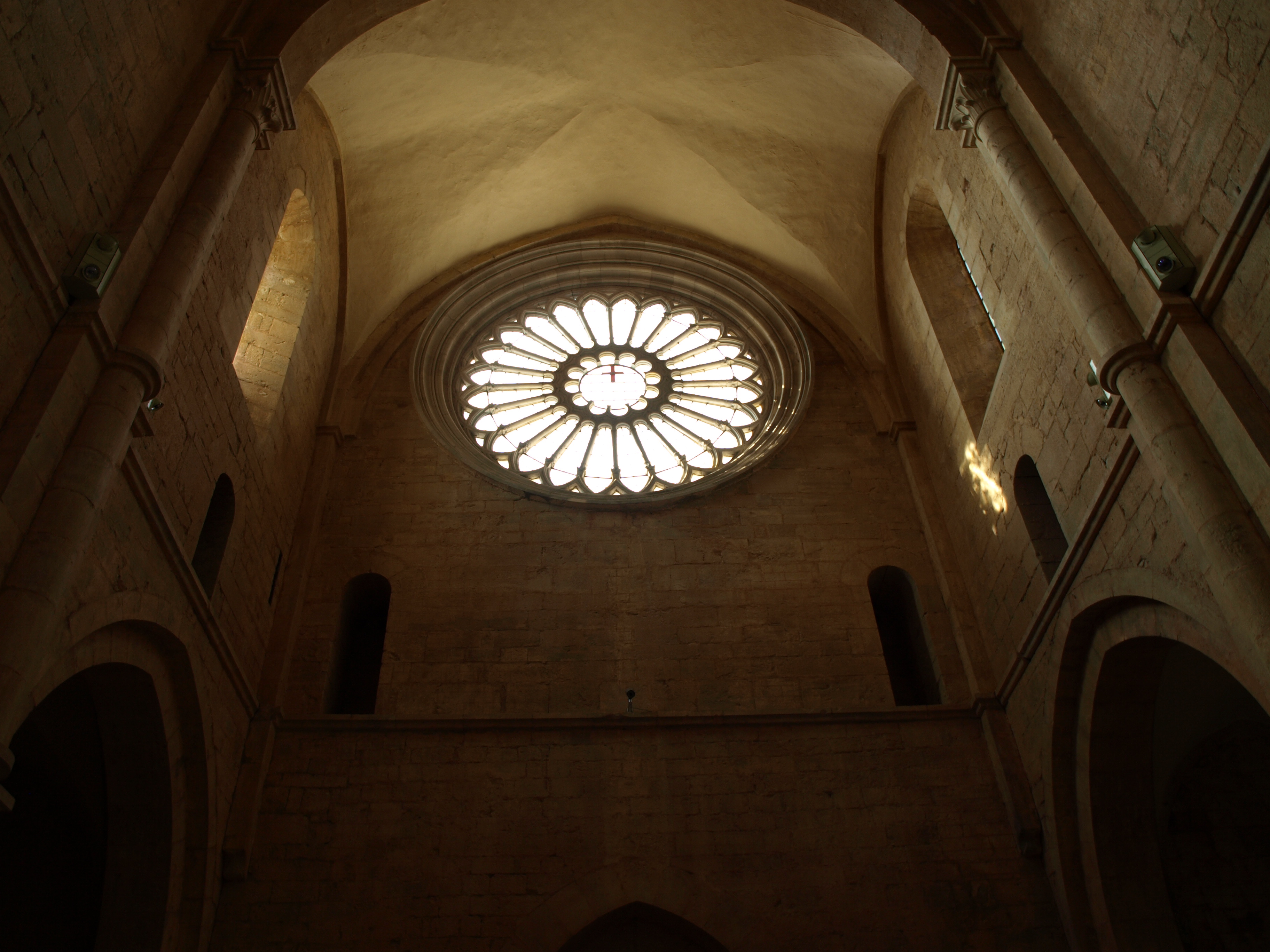
The architectural splendor of the Abbey of Fossanova is a striking representation of Cistercian-Gothic style. The abbey church, dedicated to Santa Maria, was consecrated by Pope Innocent III in 1208. Its soaring arches, intricate stonework, and harmonious proportions reflect the Cistercian commitment to simplicity and functionality, while still allowing for moments of divine beauty.

Within the complex, the Cloister acts as the heart of monastic life, encircling the Refectory, Chapter House, Infirmary, and the Abbot’s House. Each of these structures possesses its own unique charm and historical significance. The Refectory, where monks gathered for meals, features a stunning fresco depicting scenes from the life of Christ, showcasing the artistic achievements of the period. The Chapter House, used for meetings and discussions, is adorned with minimalist yet impactful decorations, emphasizing the Cistercian ethos of humility.

### Local Culture and Traditions

The surrounding area of Priverno is steeped in local traditions that reflect the rich tapestry of Italian culture. Festivals celebrating the abbey's history and religious significance are held throughout the year, drawing visitors and locals alike. One such event is the Feast of St. Thomas Aquinas in January, which honors the legacy of the abbey's most famous resident.

Local customs often revolve around the agricultural calendar, with many villagers engaged in farming and artisan crafts. The nearby Amaseno River, which may have inspired the name Fossanova, plays a crucial role in local irrigation practices, further binding the community to its environment and history.

### Gastronomy

No visit to the Abbey of Fossanova would be complete without indulging in the region's culinary delights. The Pontine plain is known for its rich agricultural produce, including artichokes, olives, and a variety of vegetables. Traditional dishes often feature these ingredients, showcasing the local flavors.

One must-try specialty is "pasta alla gricia," a simple yet delicious dish made with guanciale, cheese, and black pepper. Paired with a glass of Frascati wine, known for its crisp and fruity notes, this meal reflects the essence of the region's gastronomy. Additionally, local bakeries often produce pan di spagna, a traditional sponge cake that is a delightful treat for those with a sweet tooth.

### Lesser-Known Curiosities

While the Abbey of Fossanova is a prominent historical site, there are intriguing details that often go unnoticed. One such curiosity is the ancient hydraulic systems that may have once been connected to the abbey, hinting at sophisticated engineering practices of the past. Additionally, the abbey’s serene gardens, often overlooked by visitors, offer a tranquil space for reflection and a deeper appreciation of the monastic life that once flourished here.

Another fascinating aspect is the abbey’s role in the Cistercian reform movement, which aimed to return to the strict observance of monastic ideals. This movement significantly influenced monastic practices across Europe, demonstrating Fossanova’s broader impact beyond its immediate locale.

### Practical Visitor Information

For those wishing to explore the Abbey of Fossanova, the best time to visit is during the spring and early autumn months, when the weather is mild and the gardens are in full bloom. Guided tours are available, providing insights into the abbey’s rich history and architectural features. Be sure to take a moment to wander through the cloister and appreciate the serene atmosphere, which evokes the contemplative spirit of the monks who once called this place home.

As you plan your visit, consider downloading the Secret World app to craft a personalized itinerary that allows you to fully immerse yourself in the wonders of Priverno.

🗺 AI Trip Planner

Plan your visit to Priverno

Suggested itinerary near Abbey of Fossanova

MAJ+
500.000+ travelers worldwide
  1. 🌅
    Morning
    Abbey of Fossanova
    📍 Priverno
  2. ☀️
    Afternoon
    San Martino Castle
    📍 2.1 km · Priverno
  3. 🌆
    Evening
    Pisterzo Figs
    📍 8.6 km · Priverno

Buy Unique Travel Experiences

Powered by Viator

See more on Viator.com

Explore nearby · Priverno

Frequently Asked Questions

The Abbey of Fossanova, officially known as Santo Stefano di Fossanova, was originally a Benedictine monastery built in the 12th century on the remnants of a Roman villa, and became a Cistercian establishment in 1135 under Pope Innocent II. The abbey gained prominence as a spiritual and cultural center, producing three cardinals and hosting the death of the renowned philosopher St. Thomas Aquinas in 1274, making it a pivotal site in Italian ecclesiastical and intellectual history.
The Abbey of Fossanova is nestled in the Pontine plain near the ancient Appian Way in Italy, making it accessible via this historic Roman road. The exact location near the Appian Way means visitors can combine a trip to this Cistercian monastery with exploration of other archaeological and historical sites along this legendary ancient route.
The Abbey of Fossanova is a remarkable example of Cistercian-Gothic architecture, with the abbey church dedicated to Santa Maria and consecrated by Pope Innocent III in 1208. The design features soaring arches, intricate stonework, and harmonious proportions that reflect the Cistercian commitment to simplicity and functionality while still allowing for moments of divine beauty.
St. Thomas Aquinas, the esteemed medieval philosopher and theologian, fell ill while staying in the guest quarters of Abbey of Fossanova and passed away there in 1274, forever linking the abbey to one of the most profound intellectual figures of the Middle Ages. This significant historical event elevated the abbey's importance beyond its role as a spiritual center to a site of intellectual heritage.
At the Abbey of Fossanova, visitors can explore the stunning abbey church dedicated to Santa Maria with its characteristic Cistercian-Gothic architectural features, and the Cloister which serves as the heart of the monastic complex. The site's remarkable stonework and design elements showcase the Cistercian values of austerity and devotion intricately woven throughout the structure.