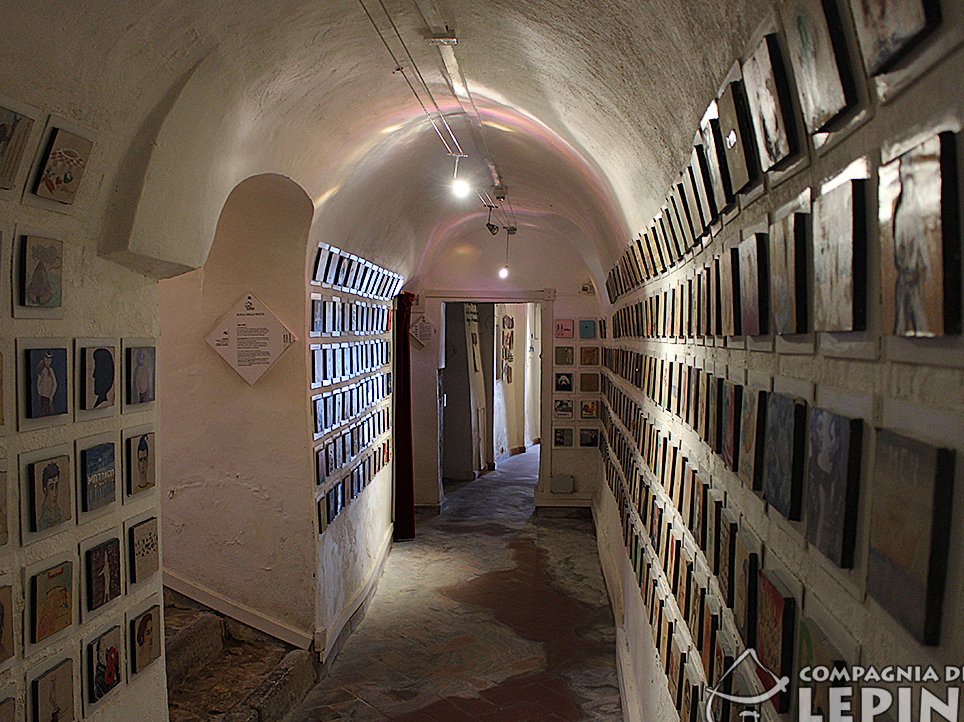

Nestled in the picturesque landscape of Roccagorga, the EthnoMuseum of Monti Lepini stands as a vibrant testament to the rich cultural tapestry of the Lepine communities. Inaugurated in 1999, this museum is much more than a collection of artifacts; it is a living narrative that chronicles the evolution of local traditions and identities, particularly through the transformative lens of the twentieth century.
### History and Origins
The roots of the EthnoMuseum of Monti Lepini are deeply intertwined with the local history of the Lepini mountains, a region characterized by its unique customs and agricultural practices. The museum emerged from a passionate commitment by local historians and cultural enthusiasts who recognized the urgent need to preserve the dwindling traditions of this area. As Italy shifted dramatically through industrialization and modernization, many local stories and practices began to fade. The museum was established not just to preserve these traditions, but to critically examine them within the broader context of European cultural movements and globalization.
Significant historical events, such as the Italian unification in the 19th century and the subsequent world wars, have influenced the local culture, which the museum seeks to reflect and narrate. The museum's collections highlight the resilience and adaptability of the Lepine people, showcasing how their identities have been shaped by both history and change.
### Art and Architecture
The architectural style of the EthnoMuseum is reflective of the region's rustic charm, blending traditional local materials with modern design elements. The building itself is a harmonious blend of stone and wood, designed to evoke the feel of a traditional Lepine home.
Inside, visitors are greeted by seven distinct environments, each curated to provide an immersive experience. Notable among these is Pasqua Rossa (Red Easter), where the solemnity of Easter traditions is brought to life through innovative lighting and auditory storytelling. The Garage-culture room celebrates everyday creativity, showcasing how mundane spaces transform into vibrant hubs of memory and artistic expression.
The artistic significance of the museum lies not only in its exhibits but also in its commitment to challenging the trivialization of popular culture. The careful selection of objects, stories, and narratives invites visitors to engage deeply with the local heritage.
### Local Culture and Traditions
Roccagorga is rich in local customs and festivals that reflect the essence of the Lepine identity. The most notable is the Festa della Madonna di Loreto, celebrated every September. This vibrant event features processions, traditional music, and the quintessential local dish of pasta alla gricia, a celebration of community and shared heritage.
The museum also emphasizes the importance of storytelling within the local culture. Oral histories and anecdotes are often woven into the fabric of daily life, with elders recounting tales of the past that serve as both entertainment and education for younger generations. This oral tradition is an integral part of the museum's mission, as it connects the past with the present and encourages a sense of belonging.
### Gastronomy
The gastronomy of Roccagorga is a delightful exploration of flavors that are closely tied to the agricultural practices of the region. Visitors can savor traditional dishes such as gnocchi di patate (potato dumplings), often served with a rich tomato sauce or ragu. The local porchetta, a succulent roasted pork, is a must-try, particularly during festive occasions.
Accompanying these dishes are regional wines, notably the Cesanese del Piglio, a robust red that perfectly complements the hearty local fare. The museum often hosts culinary events, providing a platform for local chefs to showcase traditional recipes that have been passed down through generations, ensuring that the tastes of the Lepini are not forgotten.
### Lesser-known Curiosities
One of the museum’s hidden gems is the collection of 350 nicknames that reflect the unique character of the community. Displayed throughout the Garage-culture room, these nicknames range from humorous to poignant, offering insights into local personalities and their quirks. This playful yet profound aspect of identity is often overlooked by visitors but serves as a charming reminder of the close-knit nature of the community.
Another intriguing detail is found in the room dedicated to Quelli della Rocca, where visitors can learn about the local legends and myths that have shaped the cultural landscape of Roccagorga. The stories shared here are deeply rooted in the community's collective memory, weaving a rich narrative that connects generations.
### Practical Visitor Information
The best time to visit the EthnoMuseum of Monti Lepini is during spring and early fall when Roccagorga is alive with local festivals and mild weather. To make the most of your experience, consider joining one of the guided tours that delve deeper into the exhibits and provide context for the artifacts on display.
When visiting, be sure to take your time exploring each room, as the carefully curated environments invite reflection and appreciation of the intricate relationship between objects and life stories. Don’t forget to interact with the museum staff, who are often local residents eager to share their personal connections to the exhibits.
For a truly personalized experience in Roccagorga, consider using the Secret World app to plan your itinerary.
