
← Back

Abbey of San Fruttuoso di Capodimonte

Italia ★★★★☆ 144 views
Freyan Dust
🏆 AI Trip Planner 2026

Get the free app

Discover the best of {city} with Secret World — the AI trip planner with 1M+ destinations. Get personalized itineraries, hidden gems and local tips. Free on iOS & Android.

🧠 AI Itineraries 🎒 Trip Toolkit 🎮 KnowWhere Game 🎧 Audio Guides 📹 Videos
Scan to download iOS / Android
Scan for AppGallery Huawei users

About Abbey of San Fruttuoso di Capodimonte

Abbey of San Fruttuoso di Capodimonte | Secret World Trip Planner

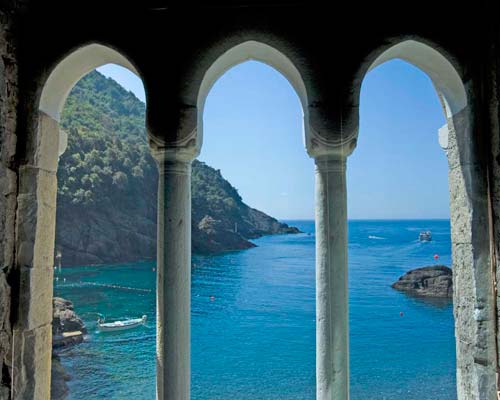
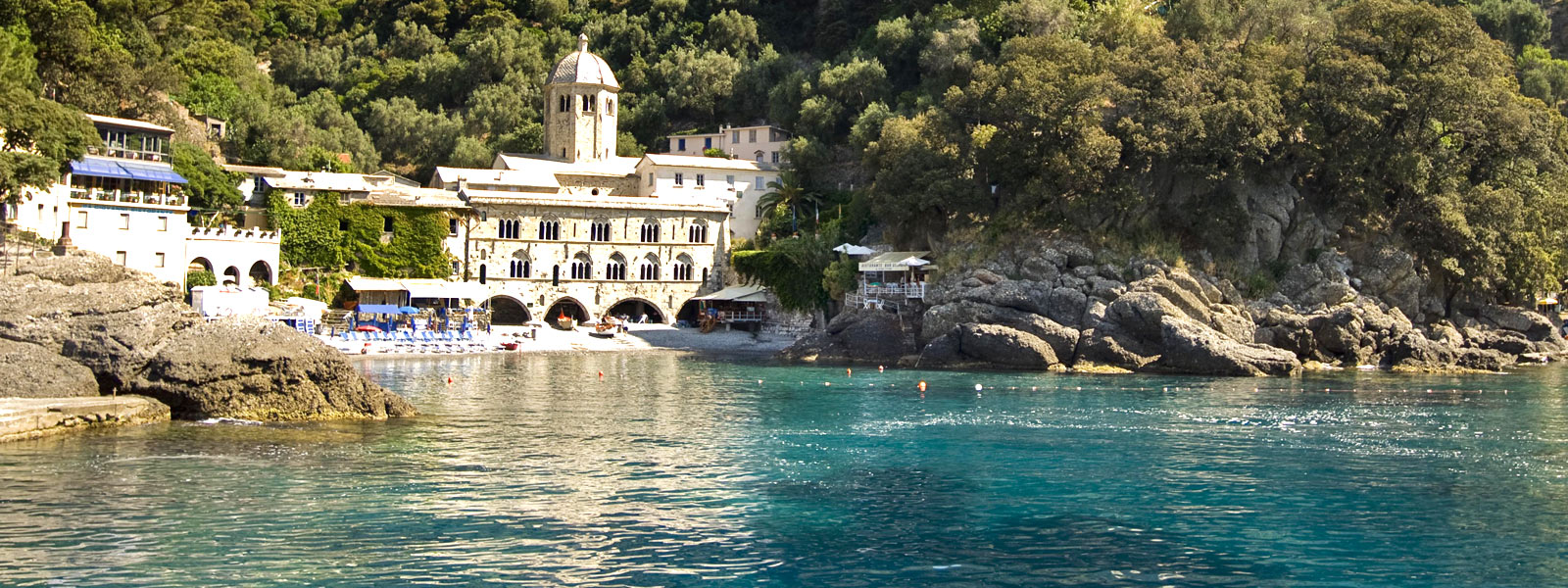
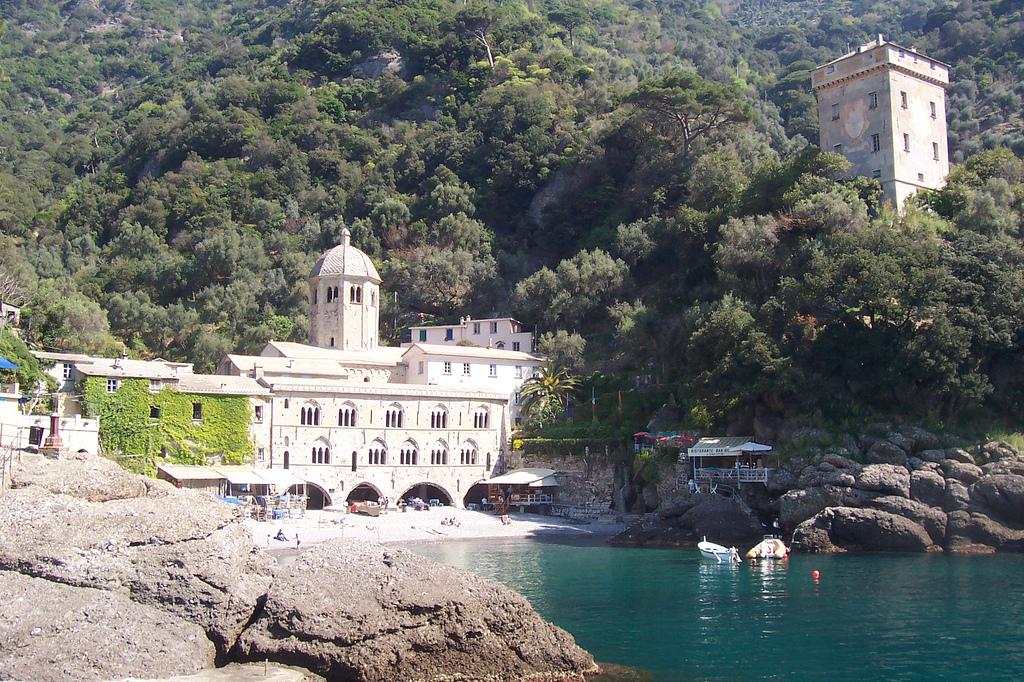
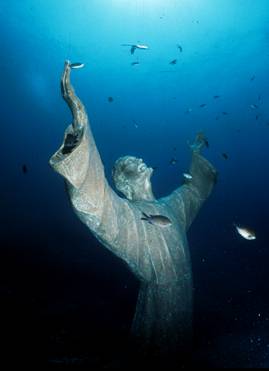
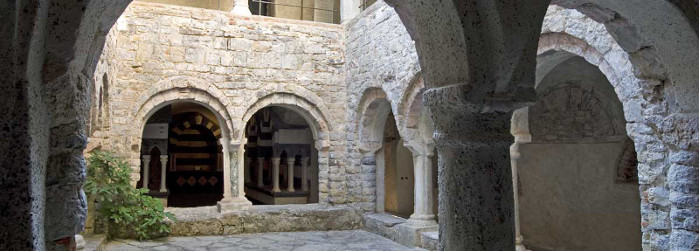
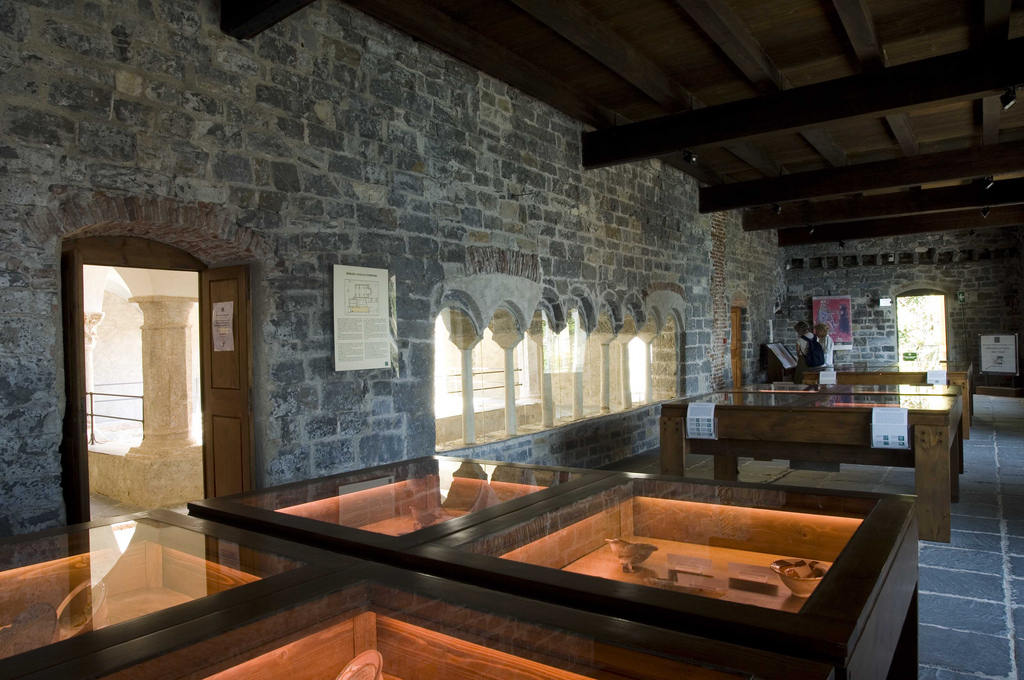
Between Camogli and Portofino opens a delightful bay in which is set the famous Abbey of San Fruttuoso, of the X-XIII century, now owned by FAI, Fondo per l'Ambiente Italiano. A Benedictine monastery, a pirates' den, a humble fishermen's dwelling and then for centuries the property of the Doria princes, San Fruttuoso is today an absolutely unique place, where the work of man has been happily integrated with that of nature. The abbey was built in the middle of the tenth century by Greek monks and was rebuilt between the end of the century and the beginning of the eleventh at the behest of Adelaide of Burgundy, widow of Emperor Otto I. In the same century it passed to the Benedictine monks and was enlarged in the twelfth century with the addition of a floor. In the thirteenth century, the body of the building with the loggia facing the sea was added by the Genoese Doria family, who used a room of the abbey for their tombs. The upper cloister was rebuilt in the sixteenth century by will of Andrea Doria, while in 1562 was built the square watchtower that still dominates the bay. The Abbey was dedicated to Saint Fruttuoso of Tarragona, a Catalan bishop and saint of the 3rd century, whose ashes are preserved in the Abbey itself, where they would have been moved following the Arab invasion of the Iberian Peninsula. Benedictine monastery, pirates' den, humble fishermen's dwelling and then for centuries property of the Doria princes. In 1933 it was restored by the Italian State and in1983 it was generously donated to FAI by Frank and Orietta Pogson Doria Pamphilj. This jewel by the sea has been standing at the foot of Mount Portofino for over a thousand years. It cannot be reached by any road, but can be reached only by sea or by following two panoramic paths: one that descends from the mountain above Portofino and the other that runs along the coast starting from the bay of Portofino. The area in front of it has a beautiful bathing beach and in its bay there is the famous statue of Christ of the abysses, placed in 1954 on the seabed and restored in the nineties.
Abbey of San Fruttuoso di Capodimonte | Secret World Trip Planner

Buy Unique Travel Experiences

Powered by Viator

See more on Viator.com

Explore nearby

Frequently Asked Questions

The Abbey cannot be reached by road and is only accessible by sea or by two panoramic hiking paths—one descending from above Portofino and another running along the coast from Portofino bay. Most visitors arrive by boat, making it a unique and secluded destination between Camogli and Portofino.
Built in the 10th century by Greek monks and rebuilt by Adelaide of Burgundy (widow of Emperor Otto I), the abbey later became a Benedictine monastery, pirates' den, and fishermen's dwelling before being owned for centuries by the Doria family. The structure was restored by the Italian State in 1933 and donated to FAI (Italian Environmental Fund) in 1983.
Saint Fruttuoso of Tarragona was a 3rd-century Catalan bishop and saint whose ashes are preserved within the abbey. His remains were moved to San Fruttuoso following the Arab invasion of the Iberian Peninsula, making this abbey an important religious site of pilgrimage and veneration.
Notable features include the 13th-century loggia facing the sea built by the Genoese Doria family (which contains their tombs), the upper cloister rebuilt in the 16th century by Andrea Doria, and the square watchtower constructed in 1562 that dominates the bay. The abbey beautifully blends medieval architecture with its dramatic coastal setting beneath Mount Portofino.
Yes, the area in front of the abbey features a beautiful bathing beach, making it an ideal spot for swimming and enjoying the Mediterranean while exploring this historic site. The combination of cultural heritage and natural beauty makes it a unique destination for both history enthusiasts and beach lovers.