


Nestled in the rugged landscapes of Laconia, just a stone's throw from Agios Nikolaos, lies a site steeped in mystery and ancient lore—the Cyclopean Rocks. This hauntingly beautiful area, near the tumultuous waters of Kavo Malea, is a geological wonder that captivates the imagination, evoking tales of giants and gods from antiquity.
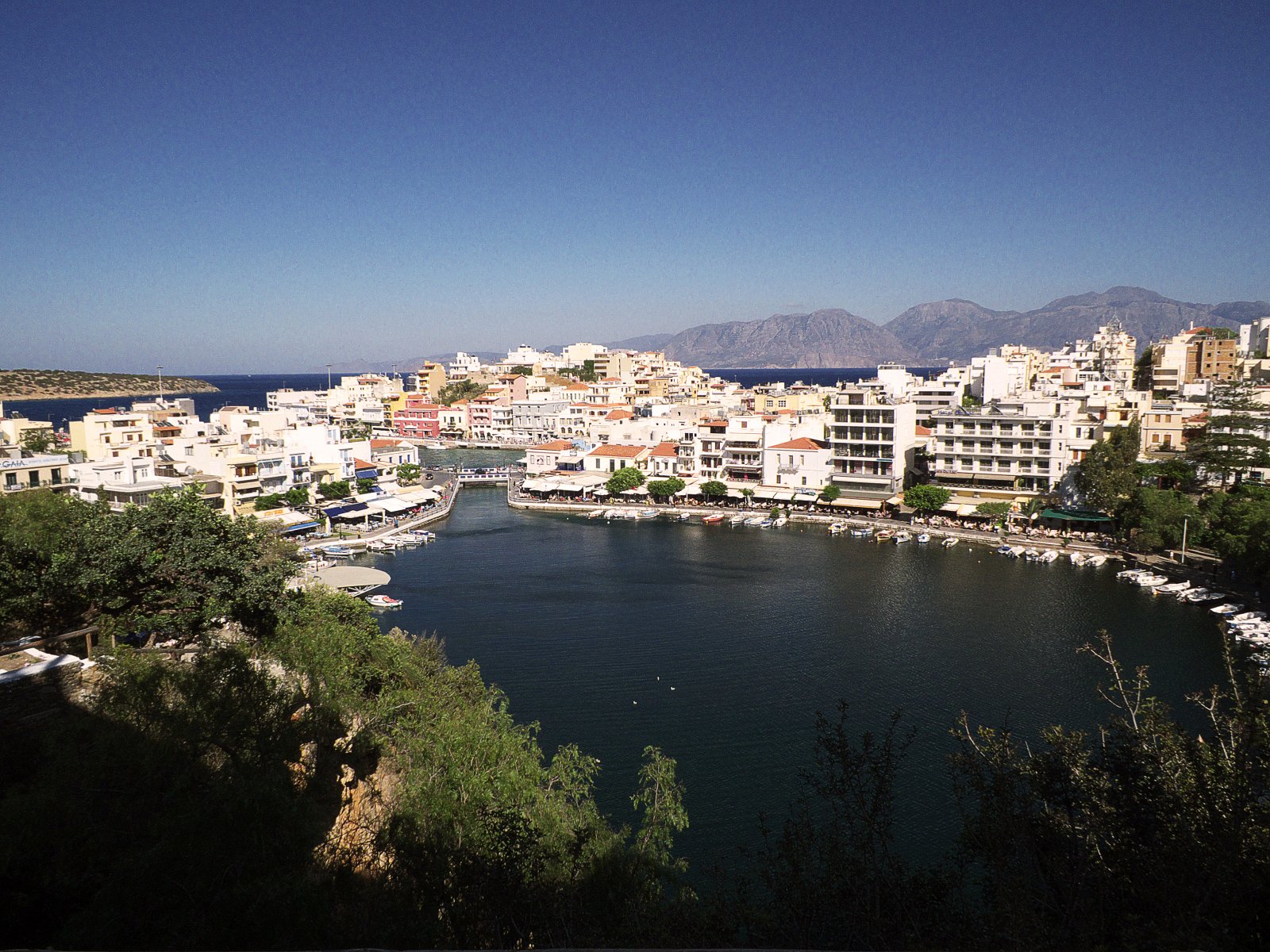
The origins of the Cyclopean Rocks are steeped in legend. According to local folklore, these massive stones were believed to be the remnants of ancient giants, known as Cyclopes, who once roamed the earth. These mythical beings were said to possess incredible strength and were often depicted in Greek mythology as builders of fortifications and cities. The very name "Cyclopean" refers to the colossal nature of these rocks, which appear to be scattered haphazardly in the landscape, as if dropped by the hand of a giant. Historians speculate that the formation of these rocks dates back to the Neolithic period, with their impressive size and weight—some weighing many tons—remaining a source of fascination and debate.
The architectural significance of the Cyclopean Rocks is not just in their physical presence but also in their connection to ancient Greek civilization. The term "Cyclopean architecture" refers to the massive stone constructions found in sites such as Mycenae and Tiryns, built using large, irregularly shaped stones. These ancient structures often employed a technique that required no mortar, a testament to the engineering prowess of their creators. Visitors to the Cyclopean Rocks can explore remnants of these ancient practices, which speak volumes about the ingenuity of ancient Greek builders.

Local culture thrives in the shadow of these monumental stones. The people of San Nicolò hold onto their traditions with pride, celebrating various festivals throughout the year. One such event is the Festival of Saint Nicholas, which takes place in early December. This vibrant celebration includes processions, traditional music, and local delicacies that reflect the rich culinary heritage of the area. The festival not only honors the patron saint of sailors but also reinforces the community's connection to the sea and the legends that surround it.
Speaking of local delicacies, the gastronomy of Laconia is worth savoring. The cuisine here is a delightful blend of flavors, heavily influenced by the region's agricultural bounty and maritime traditions. A must-try dish is Mousaka, a hearty casserole made with layers of eggplant, minced meat, and béchamel sauce, embodying the essence of Greek comfort food. Additionally, don't miss out on the local Syrtaki cheese, a soft cheese often enjoyed with honey and olives, or the fresh seafood harvested from the Aegean Sea. Pair your meal with a glass of Tsipouro—a traditional Greek spirit that encapsulates the spirit of the region.
While the Cyclopean Rocks draw attention for their sheer size and mystery, lesser-known curiosities abound in this captivating landscape. Many visitors are unaware of the ancient paths that meander through the area, once used by traders and travelers who sought the blessings of the Cyclopes for safe passage. Additionally, the unique flora that survives in this rocky terrain is a testament to nature's resilience, with hardy plants and shrubs that cling to life in the harsh environment. This juxtaposition of nature and mythology creates an atmosphere that feels both otherworldly and intimately connected to the past.
For those planning a visit, the best time to explore this region is during the spring and early fall, when the weather is mild, and the landscape bursts with vibrant colors. Be sure to wear sturdy footwear, as the terrain can be uneven and rocky. Bring your camera to capture the stunning contrasts of the deep blue sea against the stark white rocks, and take time to explore the surrounding areas, where hidden coves and pristine beaches await.
As you wander through this mystical landscape, keep your eyes peeled for the remnants of ancient structures and the whispers of history that linger in the air. The Cyclopean Rocks are not just a geological phenomenon; they are a gateway to the past, inviting travelers to immerse themselves in the legends and traditions of San Nicolò.
For a truly personalized journey through this enchanting area, consider using the Secret World app to craft an itinerary that highlights the wonders of San Nicolò.


