
← Back

Ahsan Manzil,

Ahsan Manzil, Dhaka, Bangladesh ★★★★☆ 670 views
Keila Romeo
Dhaka
🏆 AI Trip Planner 2026

Get the free app

Discover the best of Dhaka with Secret World — the AI trip planner with 1M+ destinations. Get personalized itineraries, hidden gems and local tips. Free on iOS & Android.

🧠 AI Itineraries 🎒 Trip Toolkit 🎮 KnowWhere Game 🎧 Audio Guides 📹 Videos
Scan to download iOS / Android
Scan for AppGallery Huawei users

About Ahsan Manzil,

Ahsan Manzil, - Dhaka | Secret World Trip Planner

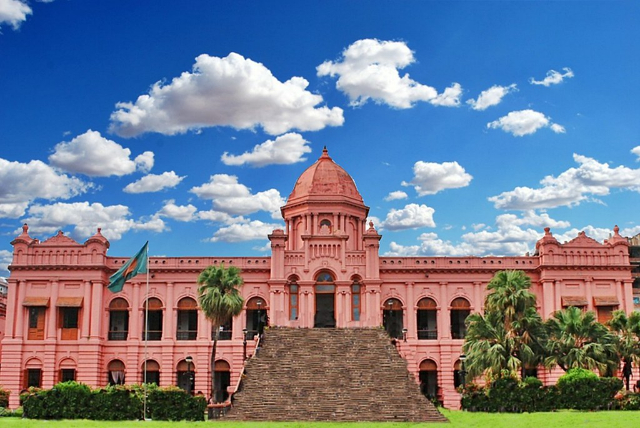
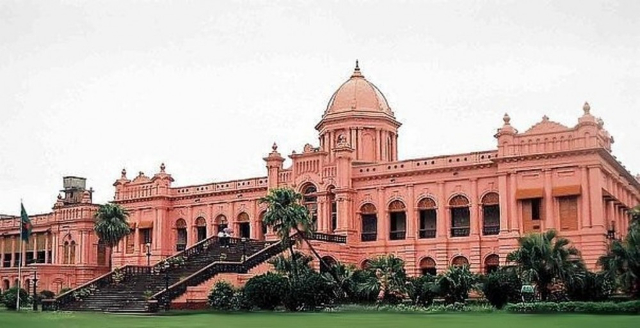
Ahsan Manzil, also known as the Pink Palace, is a captivating architectural gem located in Dhaka, Bangladesh. Let's delve into its history, anecdotes, and some intriguing facts, as if we were exploring it together as travel enthusiasts.
Ahsan Manzil, - Dhaka | Secret World Trip Planner

History:

Ahsan Manzil stands as a symbol of the rich cultural heritage of Bangladesh. It was originally built in the 19th century by Nawab Abdul Ghani, the city's wealthiest zamindar (landlord) at the time. The construction of the palace was completed in 1872 and served as the official residence of the Nawabs of Dhaka.

Anecdotes:

  1. The Zamindari Legacy: Nawab Abdul Ghani was a prominent figure in Dhaka's zamindari system, known for his wealth and influence. Ahsan Manzil was a testament to his opulence and grandeur, reflecting the architectural style of the time.

  2. The Historic Significance: During the British colonial period, Ahsan Manzil played a pivotal role in shaping the political landscape of Bengal. It was a hub for cultural gatherings, political discussions, and social events, hosting dignitaries and intellectuals of the time.

  3. The Partition Era: Ahsan Manzil witnessed the tumultuous era of the partition of Bengal in 1947. The Muslim League, under the leadership of figures like Nawab Salimullah, held crucial meetings here, advocating for the creation of Pakistan.

Curious Facts:

  1. Architectural Marvel: Ahsan Manzil is renowned for its distinctive architectural style, blending elements of Indo-Saracenic and European neoclassical design. The pink façade, ornate domes, and intricate detailing make it a visual delight for visitors.

  2. Flood Resilience: One of the most fascinating aspects of Ahsan Manzil is its innovative construction. The palace was built on a raised platform to protect it from flooding, a common occurrence in the low-lying areas of Dhaka.

  3. Cinematic Fame: Ahsan Manzil has served as a backdrop for numerous films, both in Bangladesh and beyond. Its majestic beauty and historical significance have made it a popular filming location, adding to its allure.

Conclusion:

As we explore the corridors of Ahsan Manzil and admire its architectural splendor, we are transported back in time to an era of grandeur and political upheaval. This iconic landmark not only reflects the rich heritage of Bangladesh but also stands as a testament to the resilience and spirit of its people throughout history.

🗺 AI Trip Planner 2026

Plan your visit to Dhaka

Suggested itinerary near Ahsan Manzil,

MAJ+
500.000+ travelers worldwide
  1. 🌅
    Morning
    Ahsan Manzil,
    📍 Dhaka
  2. ☀️
    Afternoon
    Ahsan Manzil, The Pink Palace
    📍 0 km · Dhaka
  3. 🌆
    Evening
    Armenian Church
    📍 0.6 km · Dhaka

Buy Unique Travel Experiences

Powered by Viator

See more on Viator.com

Explore nearby · Dhaka

Frequently Asked Questions

Ahsan Manzil is called the Pink Palace because of its distinctive pink façade, which is one of its most recognizable architectural features. The palace's striking pink exterior, combined with its ornate domes and intricate detailing, makes it visually distinctive and has earned it this popular nickname among visitors and locals alike.
Ahsan Manzil was originally built by Nawab Abdul Ghani, who was the wealthiest zamindar (landlord) in Dhaka during the 19th century. The construction of the palace was completed in 1872 and served as the official residence of the Nawabs of Dhaka, standing as a testament to their opulence and grandeur.
Ahsan Manzil features a distinctive architectural style that blends Indo-Saracenic and European neoclassical design elements. This fusion of architectural influences, along with its ornate domes and intricate detailing, makes it an architectural marvel and a visual delight for visitors exploring the palace.
Ahsan Manzil played a pivotal role during the British colonial period as a hub for cultural gatherings, political discussions, and social events with dignitaries and intellectuals. It was particularly significant during the Partition era of 1947, when the Muslim League held crucial meetings here advocating for the creation of Pakistan under leaders like Nawab Salimullah.
One of the most fascinating aspects of Ahsan Manzil is its innovative construction, with the palace being built on a raised platform specifically designed to protect it from flooding. This engineering solution demonstrates the builders' foresight in dealing with Dhaka's flood-prone climate while ensuring the preservation of this architectural gem.
