



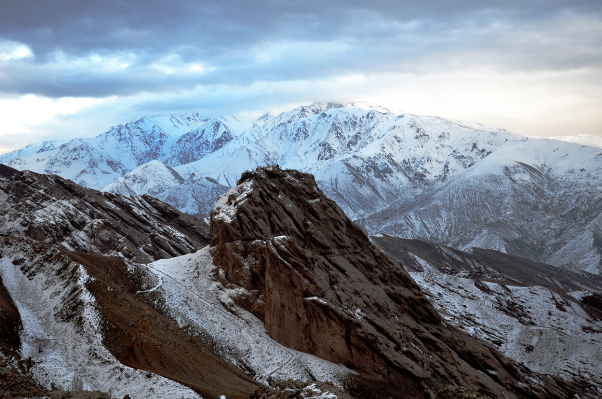
Alamut, a majestic mountain in northern Iran that resembles a kneeling camel, stands as a silent sentinel over centuries of history. Its distinctive profile, with a neck resting on the ground, invites curious visitors to explore the tales woven into its rugged landscape. The history of Alamut is steeped in the legend of the Nizari Ismailis, a sect of Shia Islam led by the enigmatic figure Hasan-i Ṣabbāḥ, who seized control of the Alamut Castle in 1090.
The story of Alamut begins in the early Middle Ages when the mountain served as a strategic stronghold. Hasan-i Ṣabbāḥ transformed the castle into a fortified seat for his followers, establishing a base from which they could conduct their operations throughout the region. This fortress, perched precariously on the granite cliffs, became the heart of an empire that thrived on intelligence, cunning, and audacity. The Nizari Ismailis, often referred to as the Assassins, engaged in targeted killings of political adversaries, thus instilling fear and respect in equal measure.
The architectural marvel of Alamut Castle is both awe-inspiring and haunting. Built on sheer cliffs, its remnants showcase the ingenuity of medieval Persian engineering. The castle's defensive walls and strategic layout allowed a small group of skilled warriors to repel much larger forces. The remnants of ancient structures, including watchtowers and living quarters, evoke the atmosphere of a bygone era. Visitors can almost hear the echoes of archers practicing their deadly craft, prepared to guard their sanctuary against unwelcome intruders.
Art and architecture in Alamut reflect the region’s rich cultural tapestry. The intricate designs of Islamic architecture, characterized by geometric patterns and calligraphy, once adorned the castle. Although much of this artistry has been lost to time, the surrounding landscape continues to inspire artists and photographers alike. The dramatic vistas of the Alborz Mountains and the remnants of the fortress offer a backdrop that speaks to the resilience of human creativity against the forces of nature.
Local culture in the Alamut Valley is a blend of ancient traditions and modern influences. The region is home to a diverse population that cherishes its heritage while embracing contemporary life. Festivals celebrating local customs, such as the Nowruz (Persian New Year), are vibrant occasions filled with music, dance, and traditional cuisine. The community's connection to its history is palpable, with storytelling and oral traditions preserving the legacy of the Assassins and their impact on the region.
Gastronomy in Alamut is a delightful exploration of Persian cuisine. Local specialties include kebabs, ghormeh sabzi (a herb stew), and saffron-infused rice, each dish reflecting the rich agricultural bounty of the region. One cannot miss the opportunity to savor dizi, a hearty lamb and chickpea stew traditionally served in stone pots, offering visitors a taste of the past. Pairing these dishes with doogh, a refreshing yogurt drink, encapsulates the essence of Persian hospitality.
For those seeking hidden gems, Alamut offers lesser-known curiosities that enrich the visitor experience. The Tomb of Hasan-i Ṣabbāḥ lies discreetly in the valley, a pilgrimage site for those intrigued by his legacy. Nearby, the Castle of Lambsar, another historical fortification, provides sweeping views and a chance to trace the steps of ancient warriors. Furthermore, the breathtaking hiking trails that lead around the mountain reveal stunning landscapes, from lush valleys to stark cliffs, showcasing the stunning biodiversity of the region.
The best time to visit Alamut is during the spring and autumn months when the weather is mild, allowing for comfortable exploration of the mountain’s trails and historical sites. Travelers should dress in layers, as temperatures can fluctuate dramatically. A visit to the ruins of Alamut Castle is a must; make sure to bring a camera to capture the breathtaking vistas. Local guides are available, providing invaluable insights into the history and culture of the area.
In conclusion, Alamut is not just a mountain; it is a tapestry of history, culture, and natural beauty, waiting to be discovered. Each stone tells a tale, each trail offers a journey through time, and every meal is a celebration of tradition. To make the most of your experience, consider using an app like Secret World to create a personalized itinerary tailored to your interests.
