
Nestled along the bustling Corniche of Alexandria, the Abu Abbas al-Mursi Mosque stands as a testament to the rich spiritual heritage of this Mediterranean city. Built in 1796, it is dedicated to the revered Sufi saint, Abu Abbas al-Mursi, who journeyed from Murcia, Spain, to become a significant figure in Egypt’s religious landscape. His life and teachings continue to inspire many, making this mosque a pivotal landmark for both locals and visitors.
### History and Origins The Abu Abbas al-Mursi Mosque was erected over the tomb of Abu Abbas al-Mursi, who died in 1286. Originating from Andalusia, he became a prominent Sufi figure known for his deep spirituality and teachings. After his arrival in Alexandria, he attracted many followers, contributing to the flourishing of Sufism in the region. The mosque's establishment in the 18th century marked a revival of Islamic architecture in Alexandria, reflecting the city's cultural and religious transformations during a time of increasing European influence.
Over the centuries, the mosque has endured the trials of time, witnessing the ebb and flow of Alexandria’s vibrant history. It has survived numerous political changes and conflicts, serving as a sanctuary for spiritual seekers and a gathering place for the community.
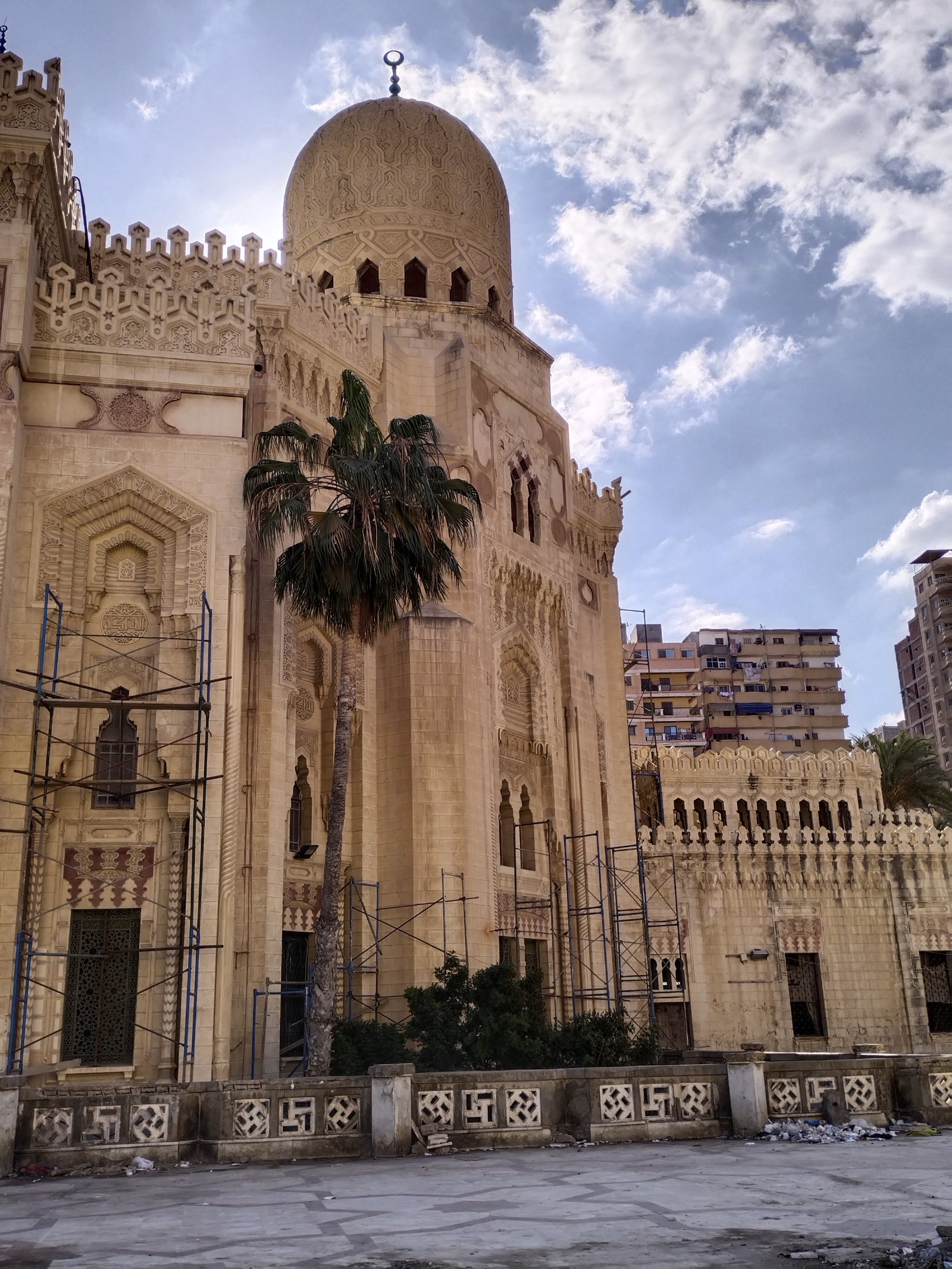
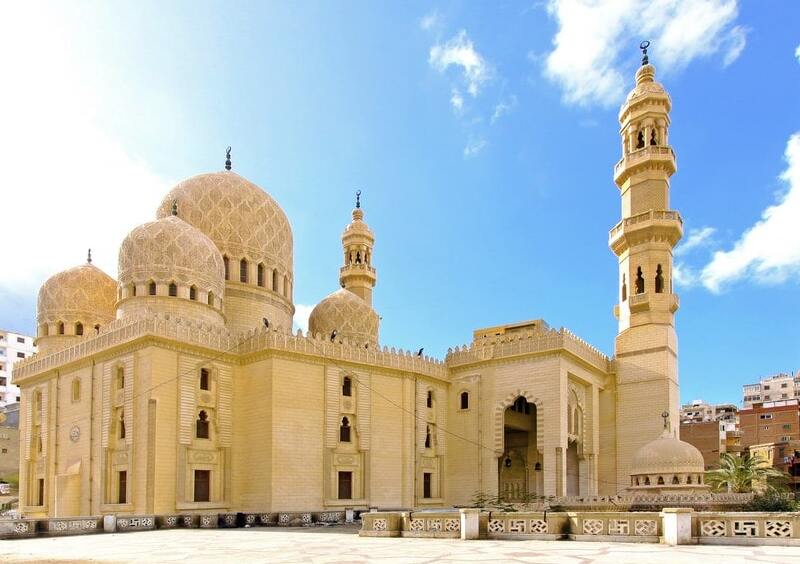
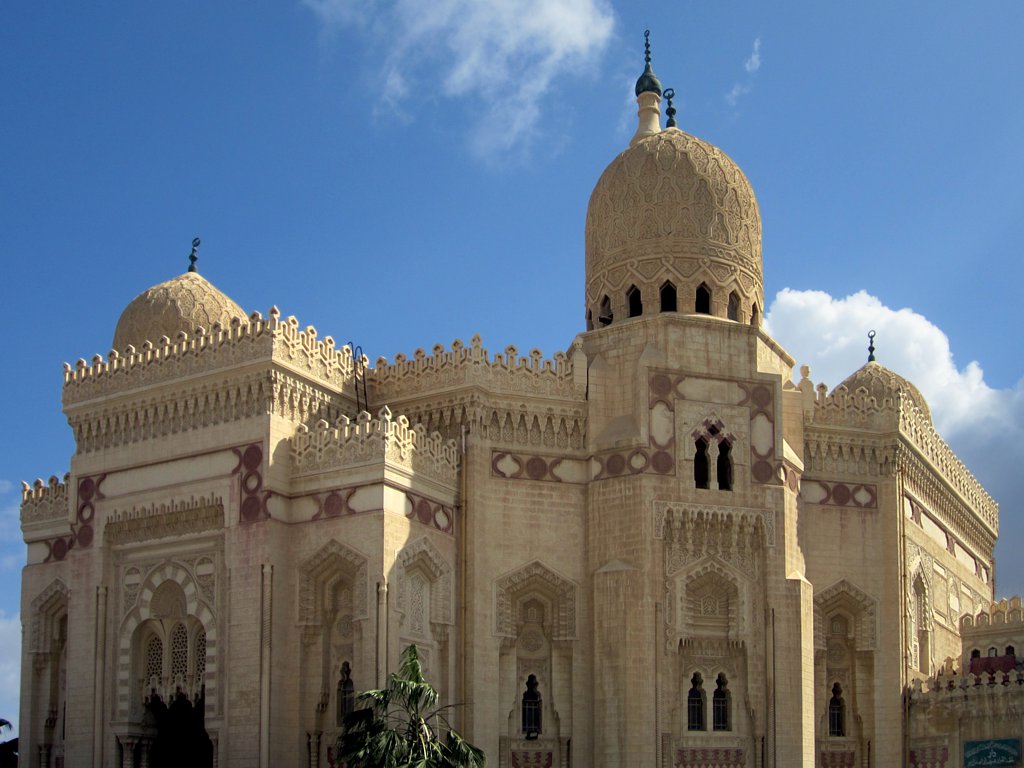
### Art and Architecture The mosque is a stunning example of Islamic architecture, characterized by its grand domes, intricate tile work, and majestic minarets. The main dome, soaring high above the prayer hall, is adorned with exquisite Moorish motifs that highlight the influence of Andalusian design. The entrance is flanked by two elegant minarets that rise imposingly, crowned by intricate geometric patterns that create a mesmerizing sight against the Alexandria skyline.
Inside, visitors will find the tomb of Abu Abbas, beautifully encased in a wooden structure embellished with ornate carvings and colorful tiles. The prayer hall is a serene space, filled with the soft sounds of recitation and prayer. The interplay of natural light streaming through stained glass windows illuminates the rich colors and details, creating an atmosphere of tranquility and reverence.
### Local Culture and Traditions The Abu Abbas al-Mursi Mosque is not just an architectural marvel; it is a vibrant center of local culture. Every Friday, the mosque becomes a hub for spiritual gatherings, where worshippers come together for communal prayers and teachings. The mosque also hosts religious lectures, poetry readings, and discussions that delve into the philosophy of Sufism.
During the Islamic month of Ramadan, the mosque plays a crucial role in the community, offering Iftar meals to the less fortunate. The spirit of generosity and communal support shines brightly during this time, as visitors and locals alike share in the joy of breaking fast together.
### Gastronomy The culinary delights of Alexandria are as rich as its history, and the area around the Abu Abbas al-Mursi Mosque offers a taste of local flavors. Seafood is a staple here, with dishes like sayadeya (fish cooked with rice and spices) being a must-try. Visitors can also indulge in koshari, a hearty mix of lentils, rice, and pasta topped with tomato sauce and fried onions.
For those with a sweet tooth, basbousa (a semolina cake soaked in syrup) and kunafa (a pastry filled with cheese or nuts) are popular local desserts to enjoy after a meal. Many street vendors near the mosque serve refreshing sugarcane juice and mint tea, perfect for cooling off after exploring the area.
### Lesser-Known Curiosities While the mosque attracts many tourists, there are intriguing stories and details that often go unnoticed. One such curiosity is the presence of a miraculous tree located within the mosque grounds, believed by locals to possess healing properties. Many come to offer prayers and seek blessings beneath its boughs.
Additionally, the mosque is known for its library, which houses a collection of texts on Islamic philosophy and Sufism, yet few visitors take the time to explore this quiet corner of learning. The library’s resources are invaluable for those interested in deepening their understanding of Sufi traditions.
### Practical Visitor Information The best time to visit the Abu Abbas al-Mursi Mosque is during the cooler months, from October to April, when the weather is pleasant for exploring the city. Early mornings or late afternoons are ideal for experiencing the mosque's serene atmosphere and witnessing the daily rituals of worship.
Visitors should dress modestly when entering the mosque; women are typically required to wear a scarf to cover their heads. It’s also advisable to avoid visiting during prayer times if one prefers to observe rather than participate, as the space can become quite crowded.
### Conclusion The Abu Abbas al-Mursi Mosque stands not just as a site of worship, but as a vibrant symbol of Alexandria’s cultural and spiritual heritage. Its architectural grandeur, rich history, and the warmth of its community make it a must-visit for anyone seeking to experience the heart of this enchanting city. To make the most of your time in Alexandria, consider using the Secret World app to tailor a personalized itinerary that highlights your interests.