
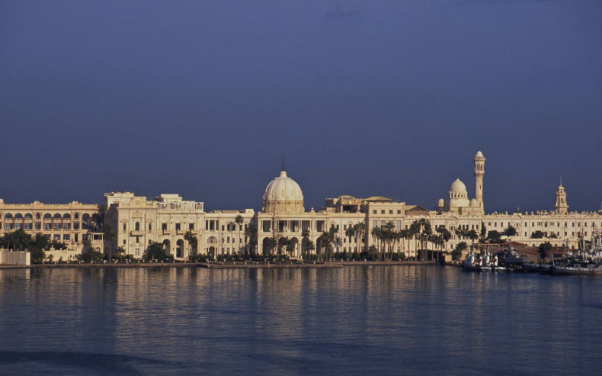

Perched gracefully on the Mediterranean coastline, the Ras el-Tin Palace in Alexandria, Egypt, is a magnificent testament to the country's regal past. This opulent structure, with its sweeping views of the azure waters, invites visitors to step into a world where history and luxury intertwine. Once the summer retreat for Egypt's sultans, the palace is also etched into history as the site where King Farouk, the last monarch of Egypt, abdicated in 1952 before departing into exile.
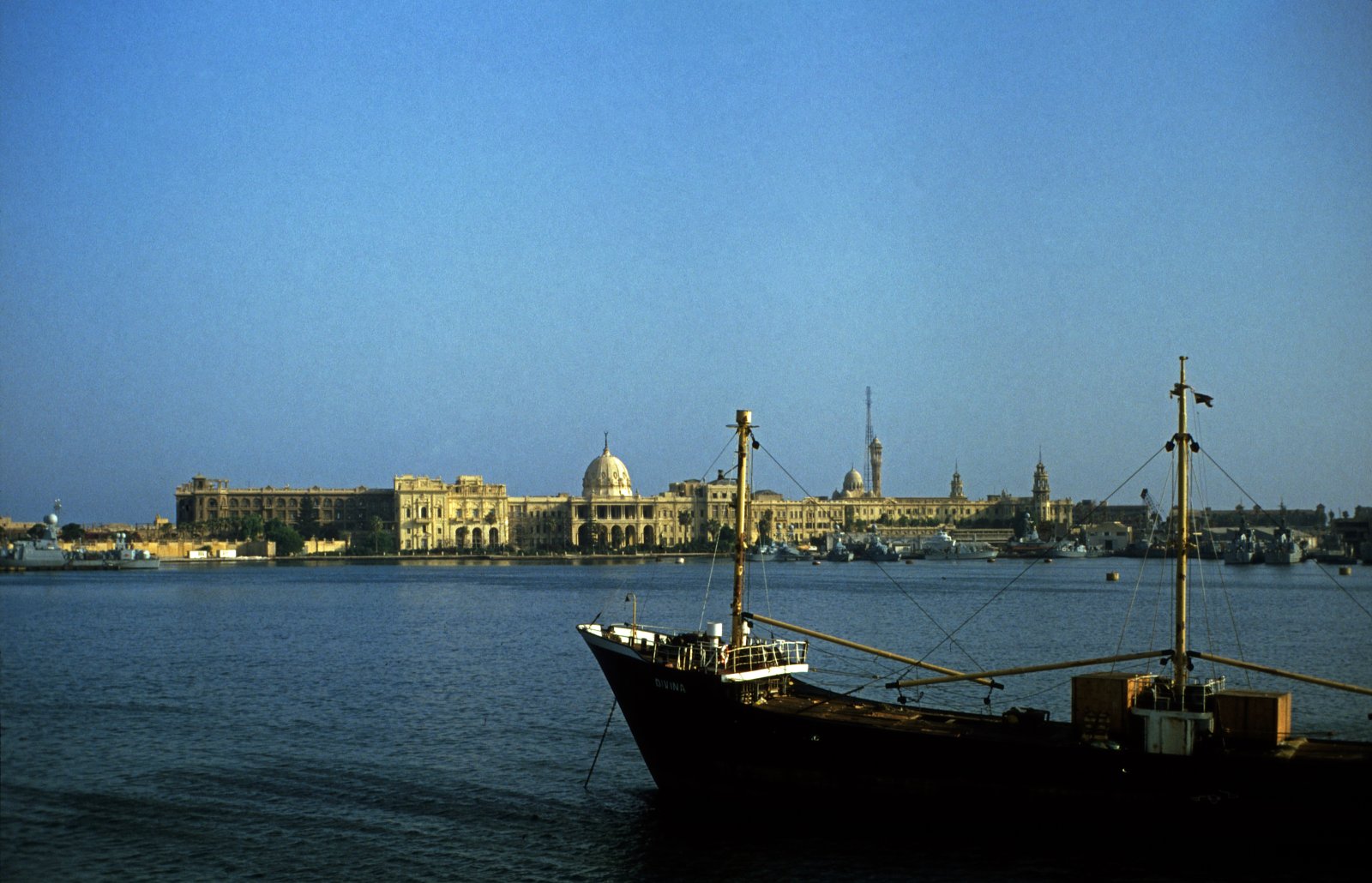
Built in 1847 under the reign of Muhammad Ali Pasha, the founding father of modern Egypt, Ras el-Tin Palace stands as one of the oldest royal palaces in Egypt. The palace was constructed as part of Muhammad Ali's ambitious efforts to modernize Egypt. Its name, which translates to "Cape of Figs," reflects the lush fig trees that once surrounded the area. Over the years, the palace has witnessed numerous historical events, serving as a royal residence and later a governmental building after the monarchy's fall.
The architecture of Ras el-Tin Palace is a splendid fusion of European and Ottoman styles, a reflection of Egypt's position as a cultural crossroads. The palace’s design boasts expansive marble halls, grand staircases, and intricately decorated ceilings. A standout feature is the grand ballroom, where lavish banquets and state affairs were once held, adorned with crystal chandeliers and opulent furnishings that echo the grandeur of a bygone era. The palace grounds also include beautifully manicured gardens, offering a tranquil escape for visitors seeking respite from the bustling city.
Culturally, Ras el-Tin Palace holds a significant place in Alexandria's identity. Alexandria itself is a city steeped in history, from its foundation by Alexander the Great to its role as a beacon of Hellenistic culture. The palace, with its royal past, contributes to this rich tapestry, offering insights into the lifestyles and traditions of Egyptian royalty. Although not open to the public, the palace's exterior and its storied past continue to capture the imagination of locals and visitors alike.
Adjacent to the palace, the flavors of Alexandria await exploration. The city's gastronomy is a delightful blend of Mediterranean and Middle Eastern influences. Visitors can indulge in local specialties such as fatta, a hearty dish of rice, bread, and meat, often accompanied by a tangy tomato sauce. Seafood is also a staple, with freshly caught fish and calamari served in traditional garlic and lemon sauces. For a sweet finish, the local delicacy of basbousa, a semolina cake soaked in sweet syrup, is a must-try.
Beyond its historical significance, Ras el-Tin Palace is surrounded by lesser-known curiosities that add to its mystique. One such tale is that of the underground tunnels believed to have been used by royal family members for secretive escapes. While these tunnels remain shrouded in mystery, they contribute to the lore surrounding the palace. Another intriguing aspect is the palace's clock tower, which, according to local stories, was a gift from Queen Victoria, though historical records suggest it was commissioned by Muhammad Ali himself.
For those planning a visit, the ideal time to explore Alexandria is during the cooler months from October to April when the weather is pleasant and conducive to sightseeing. While the palace itself remains closed, visitors can admire its impressive facade from the nearby Corniche, a scenic waterfront promenade. The nearby Alexandria National Museum offers further insights into the city's rich heritage, providing context to the stories of the palace.
In summary, the Ras el-Tin Palace is more than just a relic of Egypt's royal history; it is a symbol of the country's dynamic cultural evolution. From its architectural grandeur to its historical significance, the palace offers a captivating glimpse into the past. Whether you are a history aficionado or simply an admirer of architectural beauty, Ras el-Tin Palace stands as a testament to the enduring allure of Alexandria.


