
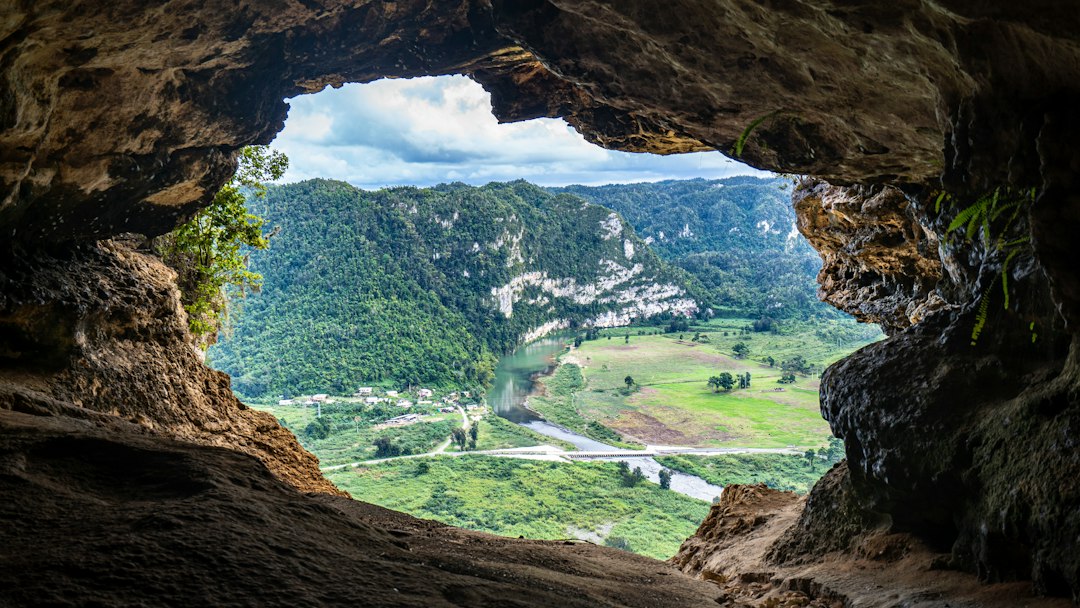

Just a few steps from the umbrellas and pools of the hotels in Varadero, inside a limestone hill of the Hicacos Peninsula, over forty pictograms painted by the Taíno survive centuries before Columbus's arrival. The Ambrosio Cave is a karst cave that holds geometric and anthropomorphic figures traced in red and black on the stone walls: a visual archive of a civilization that inhabited these shores long before they became a destination for beach tourism. Most visitors staying in Varadero do not know it exists.
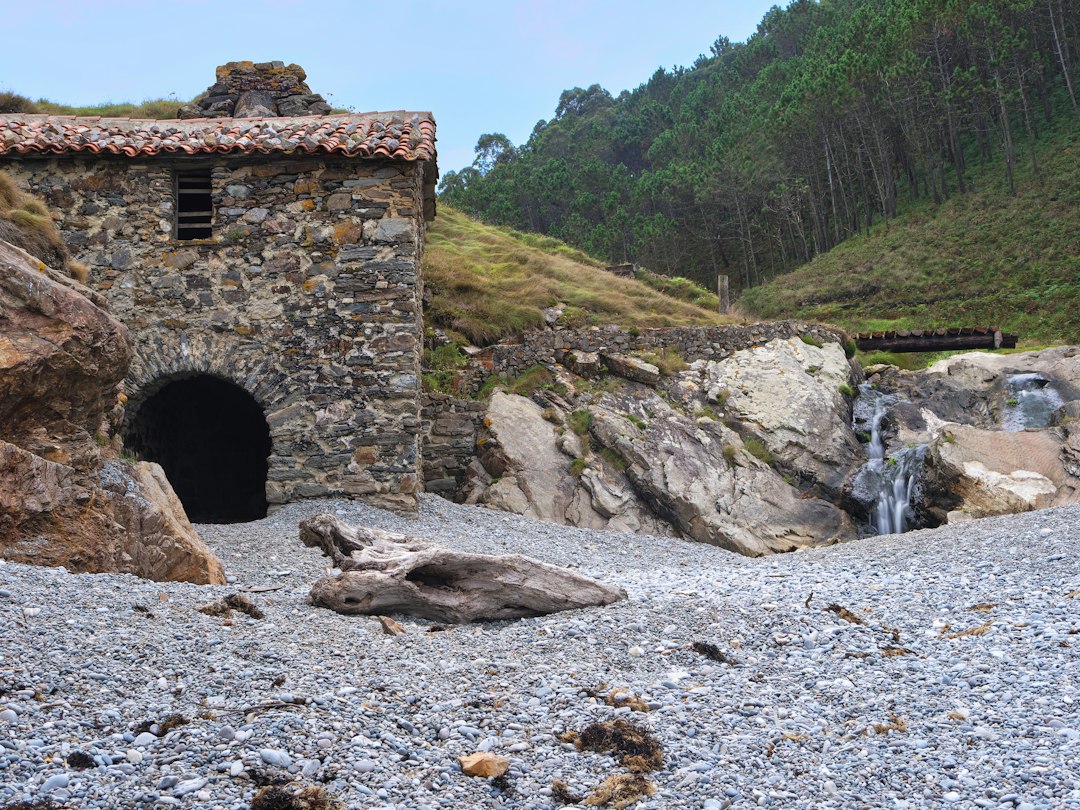
The Hicacos Peninsula on which Varadero stands is a thin strip of limestone land that stretches into the Atlantic Ocean for about twenty kilometers. The limestone that forms its hills is the same material that, over millennia, has created underground cavities like this one. The cave is named after a local character from 19th-century Cuban history, but its most precious content is incomparably older: the rock paintings date back to the pre-Columbian period when the Taíno populated the Caribbean islands.
The rock paintings: what can be seen on the walls
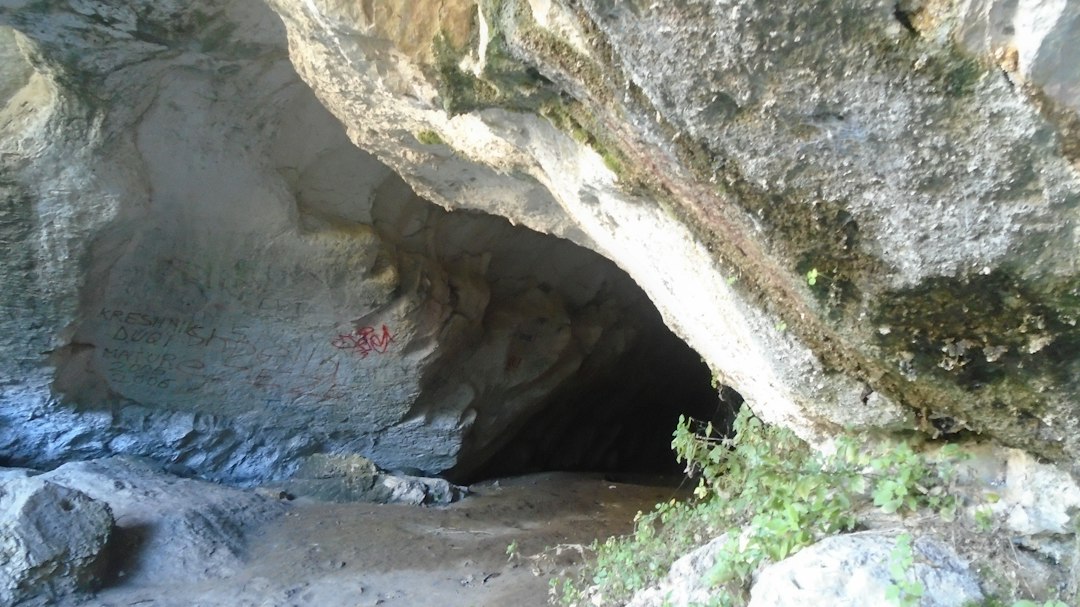
Entering the cave, after a few meters, the eyes adjust to the dim light and begin to distinguish the marks on the walls. The Taíno pictograms are drawn with natural pigments, predominantly in ochre red and black, and represent stylized human figures, circular geometric shapes, and symbols that scholars associate with ritual or cosmological practices. Some drawings reach considerable sizes compared to the human scale, while others are small and close together, almost hidden in the folds of the rock.
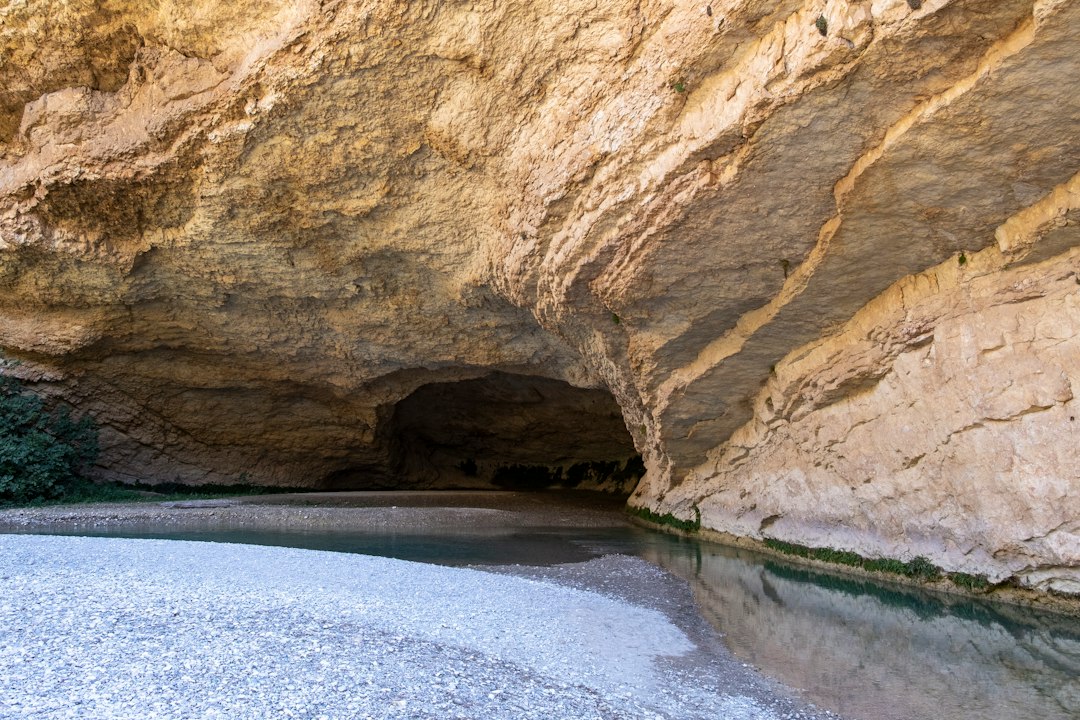
The preservation of the paintings is favored by the thermal and hygrometric stability of the underground environment: inside the cave, the temperature remains constant throughout the year, protecting the pigments from atmospheric erosion. Walking along the internal path, one can notice how the limestone rock presents natural formations — stalactites and stalagmites at certain points — that coexist with the human traces left by the Taíno. The contrast between the geological nature of the place and the presence of these ancient marks is the strongest visual experience that the cave offers.
The cave ecosystem and local fauna
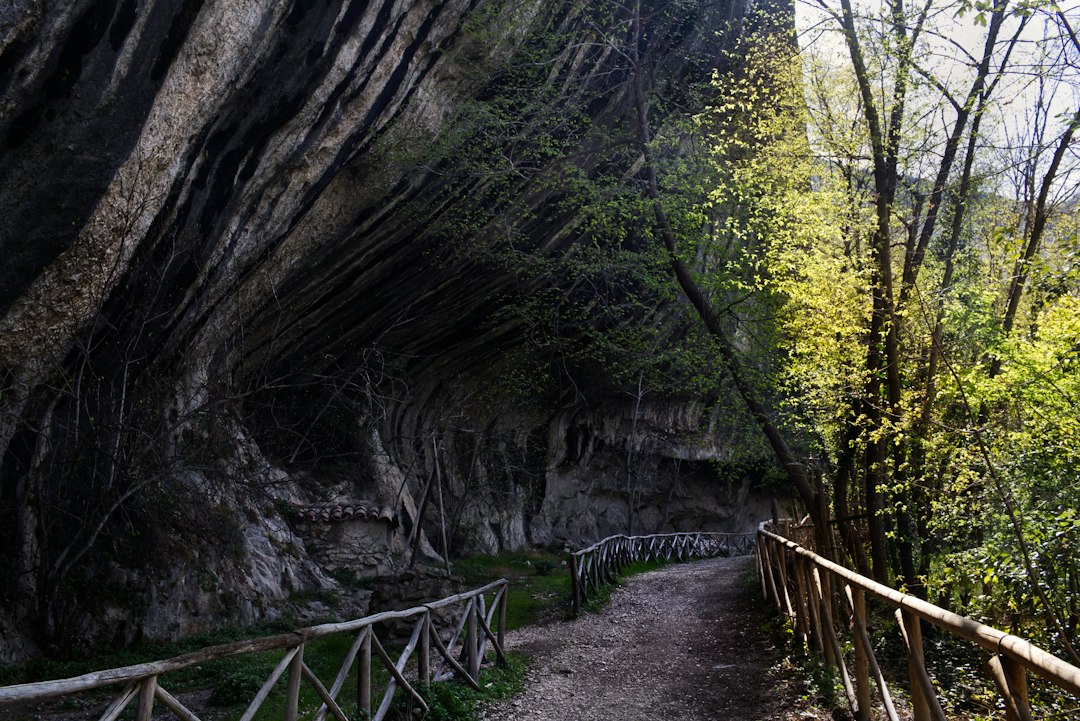
The Cueva de Ambrosio is not just an archaeological site: it is also a natural habitat. Like many Caribbean tropical caves, it hosts colonies of bats that use the rocky cavities as daytime shelters. Their presence can be perceived even without seeing them directly: the characteristic sound and typical smell of the environments frequented by these mammals accompany the visit. Bats play an important ecological role in the peninsula, contributing to the pollination of the local vegetation.
Outside the cave, the vegetation of the Hicacos Peninsula includes typical species of Caribbean coastal scrub: columnar cacti, thorny shrubs, and plants adapted to the salinity and aridity of the limestone soil. This dry and resilient vegetation sharply contrasts with the manicured landscape of the nearby hotels and hosts endemic Cuban birds and reptiles such as the Cuban anole (Anolis spp.), small green lizards that are often seen on the rocks near the entrance. Paying attention to the soil and the external rocky walls before entering increases the chances of sightings.
How to visit the Cueva de Ambrosio
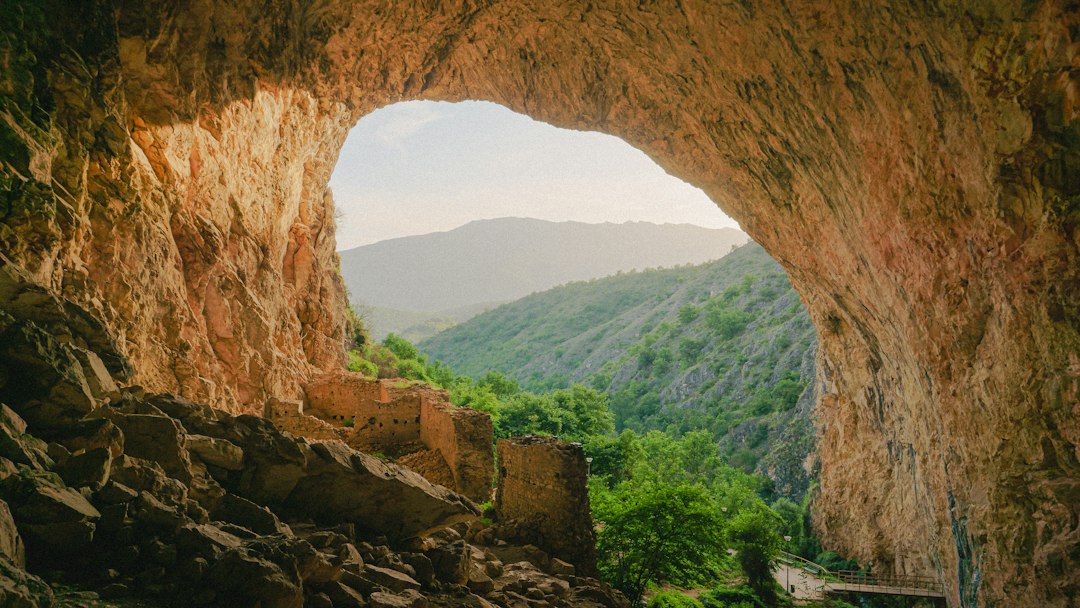
The cave is located within the Varahicacos Natural Park, the protected area that occupies the eastern tip of the peninsula. Entrance to the park requires the payment of a ticket, which typically costs around five dollars for foreign visitors, although prices may vary. Inside the park, there are also other points of natural interest, so it is advisable to dedicate at least two or three hours to the overall visit of the area.
The best time to visit is in the early morning, when the light is less intense and the temperatures more bearable, and when the cave is still not very crowded. Bringing your own flashlight is useful for better observing the details of the pictograms in the less illuminated areas. The park can be reached by taxi or bicycle from the hotel area of Varadero: the distance from the central part of the tourist strip is a few kilometers to the east. Wearing closed shoes with non-slip soles is advisable for walking on the damp limestone ground inside the cave.
Why the deviation is worth it
In a beach context like Varadero, where the tourist offer is almost entirely oriented towards the sea and the entertainments of all-inclusive hotels, the Cueva de Ambrosio represents a concrete alternative for those who want to connect with the natural and human history of this territory. The Taíno paintings are a direct and physical testimony of a human presence that predates the European colonization of the Caribbean by centuries.
The cave reminds us that beneath the surface of any tourist destination there exists an older and more complex layer: geological, biological, cultural. Varadero is no exception. Just a few kilometers and an entrance ticket are enough to find oneself in front of signs painted by hands that had never yet seen a European, in a limestone cavity that nature took millennia to carve.


