
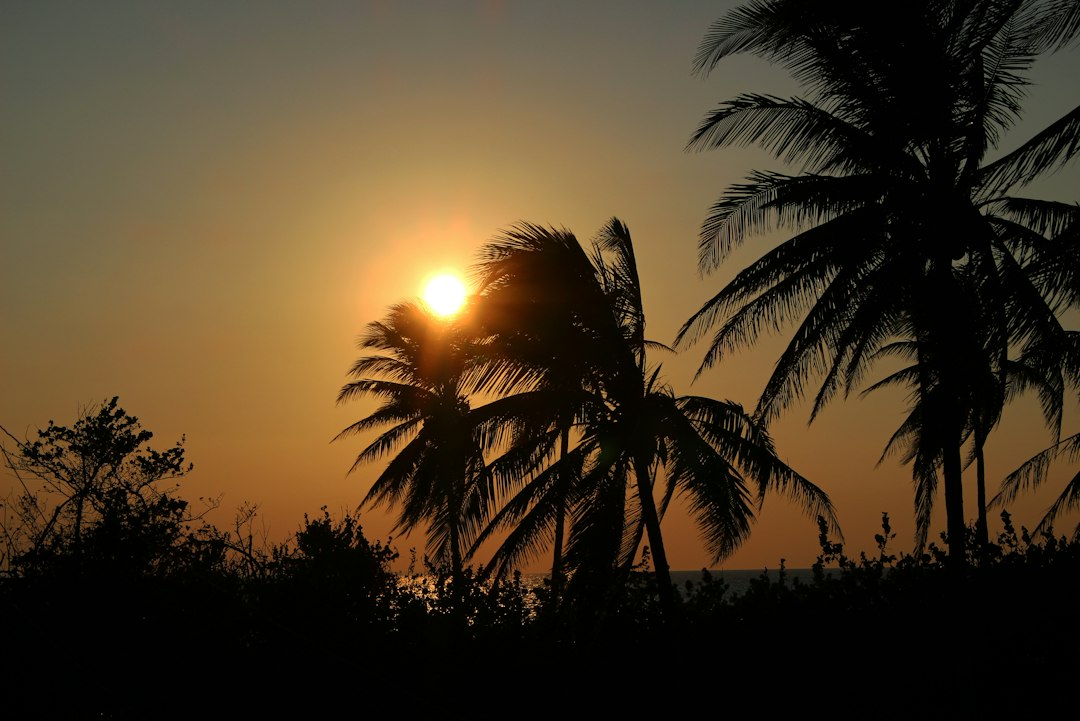

Walking on the sand of Varadero means sinking your feet into a material that is almost powdery, of a white so intense that it reflects the sunlight like a mirror. The beach stretches for about 20 kilometers along the Hicacos Peninsula, a thin strip of land that extends into the Atlantic Ocean northeast of Cuba, about 140 kilometers east of Havana. It is one of the longest and most continuous stretches of sand in the entire Caribbean basin, and this physical continuity is the first thing that strikes those who walk it.
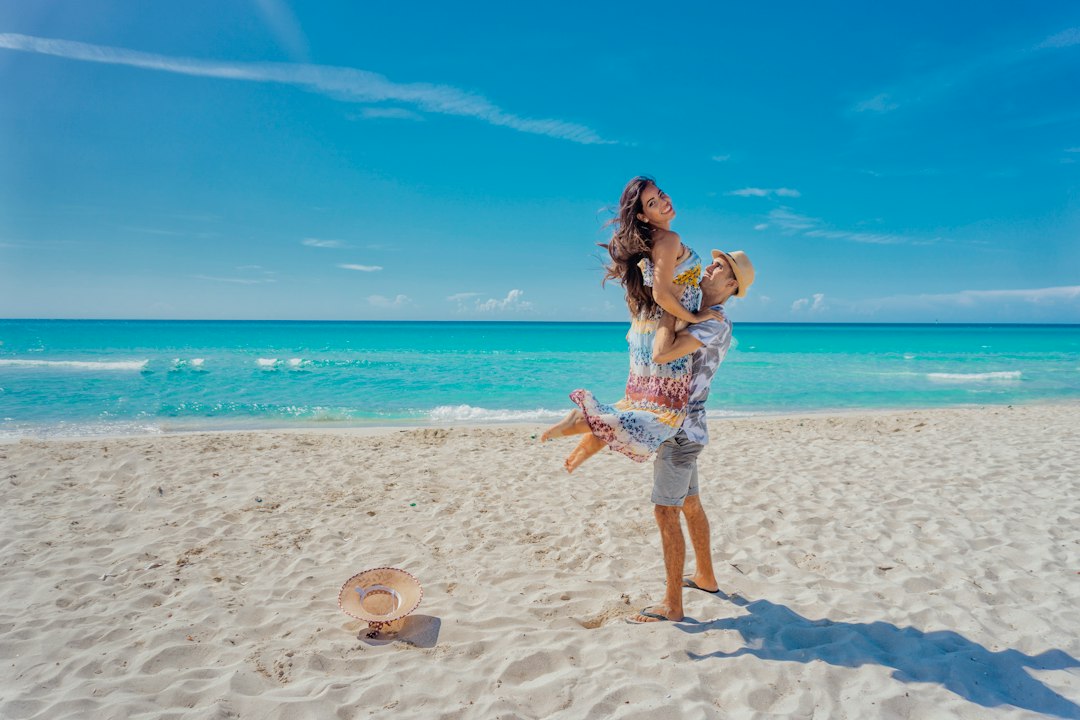
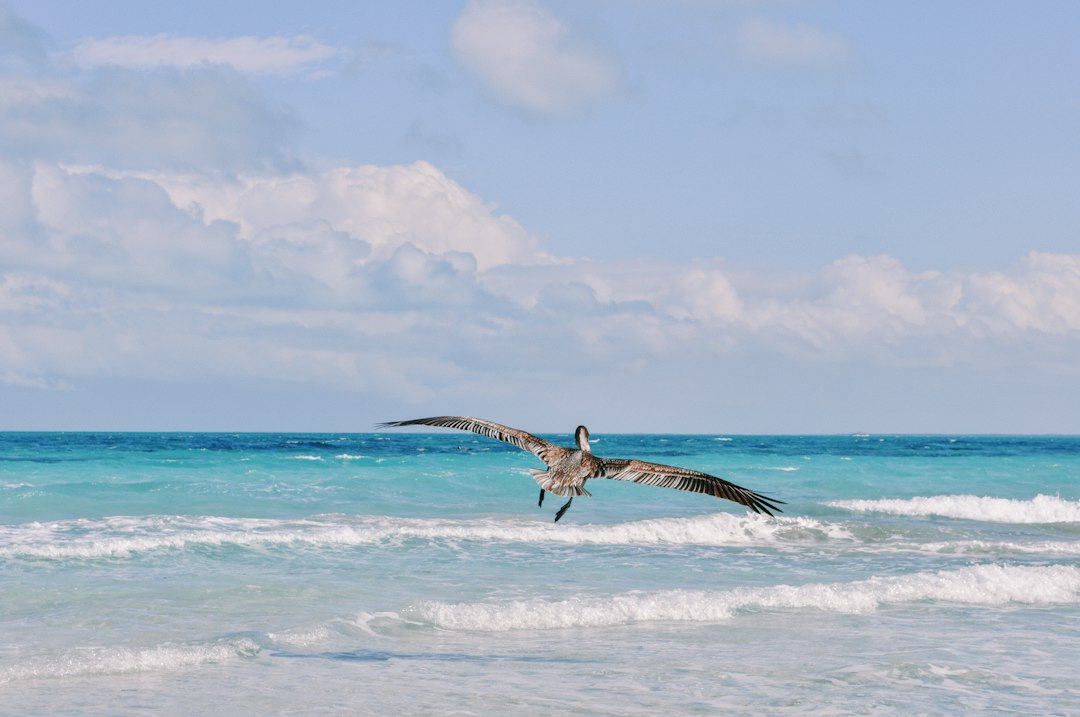
The water changes color depending on the depth and the time of day: in the early hours of the morning, it appears a nearly fluorescent turquoise near the shore, then shifts to a deeper cobalt blue as the seabed drops. This chromatic variation is not a photographic effect, but the result of the combination of the light sand of the shallow seabed, the tropical light, and the transparency of the Caribbean water, which in many areas exceeds 15 meters of visibility.
The history of the Hicacos peninsula
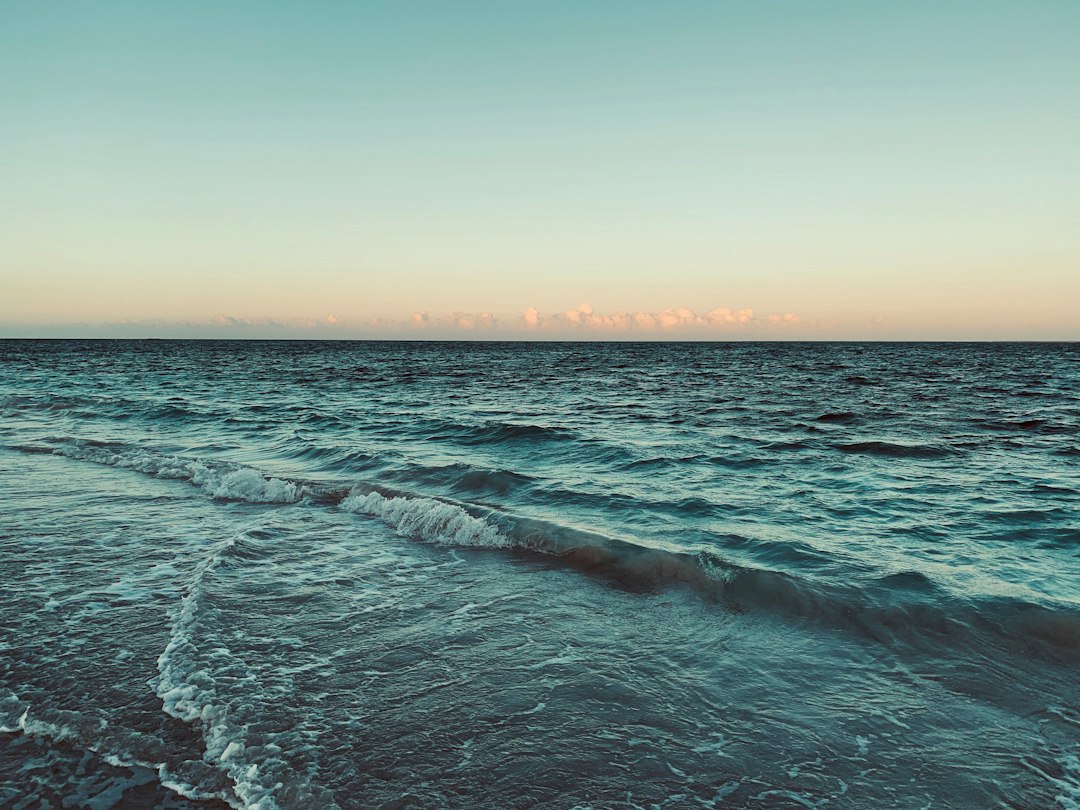
The Hicacos Peninsula was inhabited by the indigenous Taíno people before the arrival of the Europeans. The territory was progressively developed starting from the 20th century, when wealthy Cuban and American families began to build villas along the coast. One of the most well-known historic buildings in the area is the Villa Dupont, built in the 1920s by the American magnate Irénée du Pont de Nemours, who purchased much of the peninsula. Today, the villa has become the restaurant Las Américas, and it is open for visits: its interiors made of fine wood and the sea view from the terrace are details worth observing up close.
After the Cuban Revolution of 1959, the peninsula was nationalized and transformed into a state-planned tourist destination. The hotels that now line the beach are largely all-inclusive facilities built or renovated between the 1980s and 2000s, many of which are managed in joint ventures with Canadian, Spanish, and Cuban international chains.
Sand, water, and atmosphere on the shore
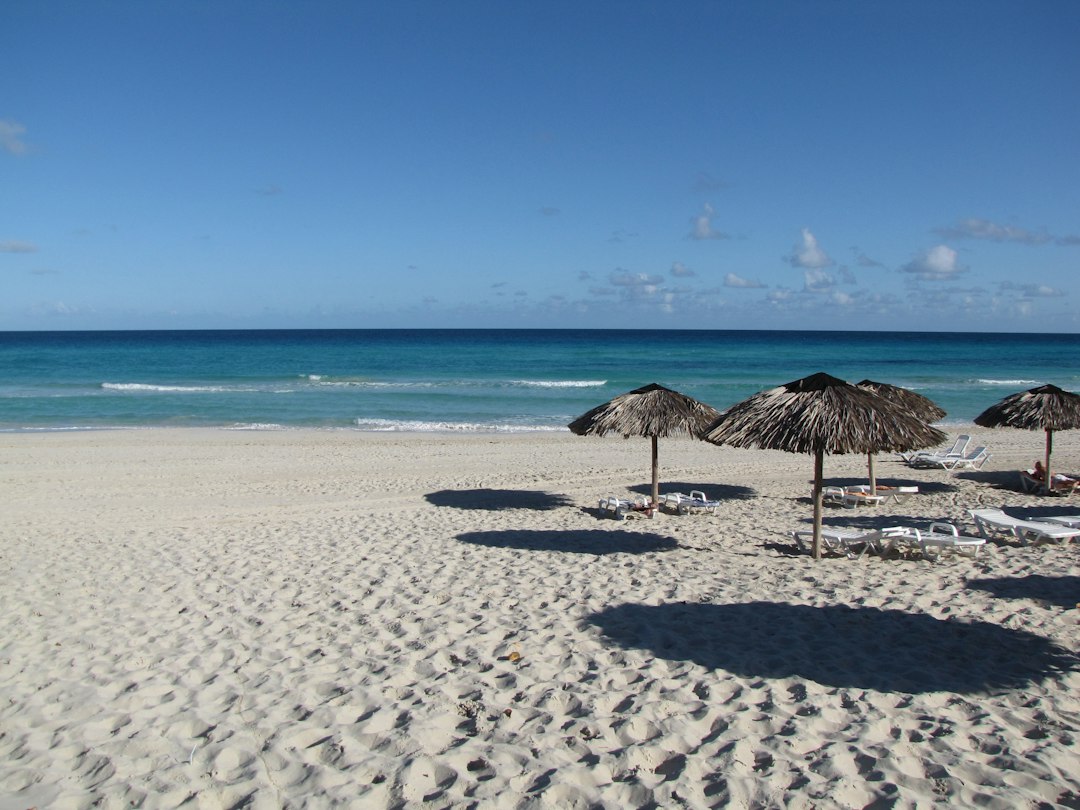
The sand of Varadero is primarily composed of calcium carbonate, derived from the crushing of corals and shells over millennia. This gives it that almost silky texture and keeps it relatively cool even during the hottest hours, unlike beaches with volcanic sand. Walking along the shore in the early morning, before the hotel umbrellas are opened, one can appreciate the beach in its quietest version: the only sound is that of the gentle low waves breaking, without the typical force of exposed Atlantic coasts.
The atmosphere changes radically throughout the day. Between 10 and 16, the beach comes alive with Cuban music coming from beach bars, vendors selling coconuts and fruit, and the scent of sunscreen mixing with the salty air. Local Cubans, who access the public beach in areas not reserved for hotels, often bring portable radios and play volleyball on the shore. This coexistence between international tourists and local life is one of the most characteristic elements of Varadero compared to other more artificial Caribbean destinations.
What to do besides the beach
A few kilometers from the eastern tip of the peninsula is the Varahicacos Natural Park, a protected area that hosts karst formations, caves with Taíno rock paintings, and typical Caribbean coastal vegetation. The entrance to the park has an indicative cost of about 3-5 CUC for foreign visitors, although prices may vary. Inside, you can see columnar cacti that reach several meters in height, an unusual presence just steps away from one of the most frequented beaches in the region.
For those who want to explore the marine environment, snorkeling and diving activities are organized by various centers along the coast. The seabeds of the peninsula host partially intact coral reefs and shipwrecks, although the tourist pressure of recent decades has reduced the density of marine life compared to the past.
Practical tips for visiting Varadero
The best time to visit Varadero is between November and April, during the dry season. The summer months, from June to October, coincide with hurricane season and bring frequent rains, although the sea remains warm all year round with temperatures around 26-28°C. To reach Varadero from Havana, you can take the Viazul bus, with regular departures from the central station: the journey takes about 3 hours and costs around 10 USD. Alternatively, private collective taxis, called almendrones or taxi particulares, are faster but need to be negotiated in advance. Those staying outside all-inclusive hotels will find it easier to move freely along the entire public beach, which by Cuban law remains accessible to everyone.


