



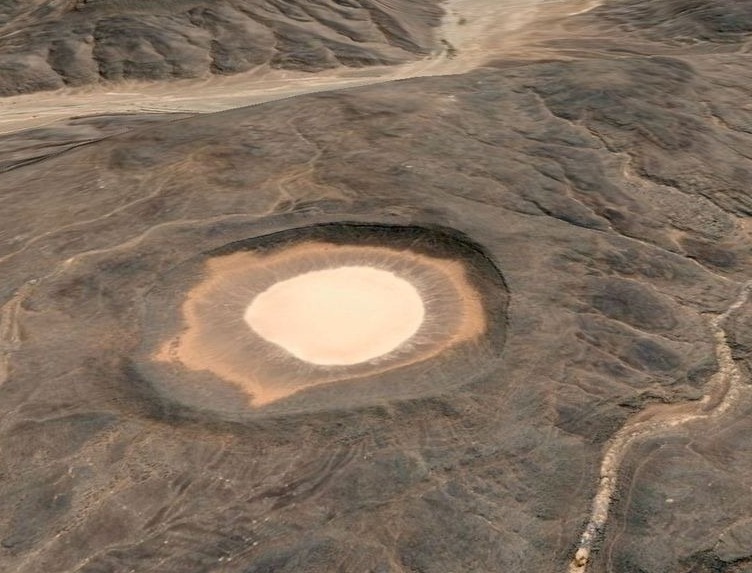
Amguid crater, a spectacular impact crater in the heart of Algeria, stands as a testament to the planet's tumultuous geological history. Located in the Amguel region, this remote site is an explorer's dream, offering a glimpse into the earth's past while simultaneously presenting one of the most inaccessible landscapes on the planet.
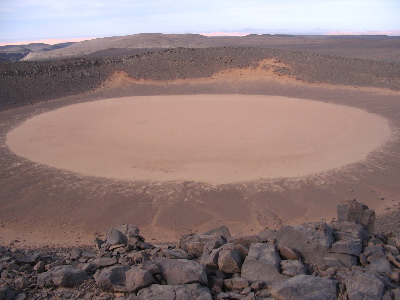
The origins of the Amguid crater date back less than 100,000 years, a relatively recent geological event. Formed by the violent collision of a meteorite with the earth's surface, the crater boasts a diameter of approximately 500 to 530 meters and plunges about 65 meters deep. Its well-pronounced structure and distinct features make it a fascinating subject for geologists, yet its remoteness means it remains less visited than landmarks like the peak of Everest. The nearest inhabited area lies over 100 kilometers away, emphasizing its isolation.
Historically, the region surrounding Amguid has been significant for millennia. The nearby gueltas, or natural watering holes, suggest that this area has long been a refuge for both humans and wildlife. The presence of pre-Islamic tombs in the vicinity indicates that ancient civilizations once thrived here, utilizing the natural resources of the land. These tombs, often adorned with intricate carvings, offer a glimpse into the spiritual and cultural practices of the past, revealing the deep connection between the land and its early inhabitants.
As visitors approach the crater, they are struck not only by its geological significance but also by its artistic allure. The surrounding landscape, with its rugged cliffs and stark beauty, has inspired local artists and storytellers for generations. While the crater itself may not feature traditional artworks, the natural formations and the remnants of ancient burial sites serve as a canvas for the imagination. Local artisans often draw from these inspirations, creating works that reflect the harmony between nature and the human experience.
The local culture around Amguid is rich and varied, with customs deeply rooted in the desert lifestyle. The Tuareg people, who inhabit this region, are known for their nomadic traditions and vibrant festivals. One of the most celebrated events is the Festival of the Sahara, which showcases traditional music, dance, and storytelling, attracting visitors from across Algeria and beyond. This festival provides a unique opportunity to experience the rich tapestry of Tuareg culture, from their stunning blue robes to their intricate silver jewelry.
Gastronomy in this remote region offers a delightful exploration of traditional Algerian cuisine. Dishes like couscous, often served with lamb or chicken, are staples among the Tuareg, reflecting the agricultural practices of the area. Additionally, tagine, a slow-cooked stew, is a popular dish that incorporates local spices and ingredients. Travelers may also encounter dates, a significant agricultural product in the region, often enjoyed with freshly brewed mint tea—a ritual that symbolizes hospitality and friendship among the Tuareg people.
For those who venture to Amguid crater, a few lesser-known curiosities await discovery. Many travelers might be surprised to learn that the crater has been visited significantly fewer times than the summit of Everest, highlighting its status as an unexplored gem. Additionally, the surrounding area is a haven for wildlife, with various species adapted to the arid climate. Fennec foxes, with their large ears, and desert lizards can often be spotted in the vicinity, adding to the sense of adventure for intrepid explorers.
When planning a visit to Amguid, timing and preparation are crucial. The best time to explore this region is during the cooler months, from October to March, when temperatures are more manageable. Due to its remoteness, visitors should be equipped for rugged terrain—a sturdy vehicle, plenty of water, and an understanding of the local landscape are essential. While the crater itself is a breathtaking sight, the journey to the gueltas and the ancient tombs reveals the rich history and culture of the area.
In summary, the Amguid crater is not just a geological marvel; it is a gateway into the history, culture, and traditions of a remote part of Algeria. With its breathtaking scenery, intriguing history, and vibrant local customs, the crater promises an unforgettable experience for those willing to traverse its rugged paths. For a uniquely tailored adventure that includes the wonders of Amguel, consider using the Secret World app to plan your personalized itinerary.
