

In the heart of North East England, an imposing steel sculpture stands majestically, capturing the attention of anyone passing through the region. The Angel of the North is much more than a work of art; it is a living symbol of the resilience and culture of this part of England. Created by artist Antony Gormley and inaugurated in 1998, this sculpture has quickly taken on iconic significance, becoming a landmark for residents and visitors.
With its height of 20 meters and wings that extend 54 meters, the Angel of the North is not only an architectural marvel but also a tribute to the industrial history of the region. Located in Low Eighton, near Gateshead, this imposing figure witnesses the transformation of the North East, which has evolved from a mining area to a center of innovation and culture.
A Work of Art that Tells a Story
Every element of the Angel of the North has been carefully designed to reflect the history and identity of the region. The steel used to create it comes from local steelworks, symbolizing the connection to the industrial past and the strength of the community. Gormley himself has stated that the Angel is a "silent witness" to everyday life, an icon that invites reflection and interpretation.
The sculpture was conceived to withstand the harsh weather conditions of the North East, yet its presence is as delicate as it is powerful. The privileged position, on a hill overlooking the surrounding landscape, allows visitors to admire it from different angles, making each visit a unique experience. The Angel seems almost to fly, embracing the sky and the land below, evoking a sense of freedom and hope.
A Place of Meeting and Reflection
In addition to being a work of art, the Angel of the North has become a meeting place for the community. Every year, thousands of people come here not only to take photographs but also to reflect, enjoy the view, and reconnect with their cultural heritage. The surrounding area has been developed to accommodate walking paths and picnic areas, transforming the Angel into a public park where people can spend time outdoors.
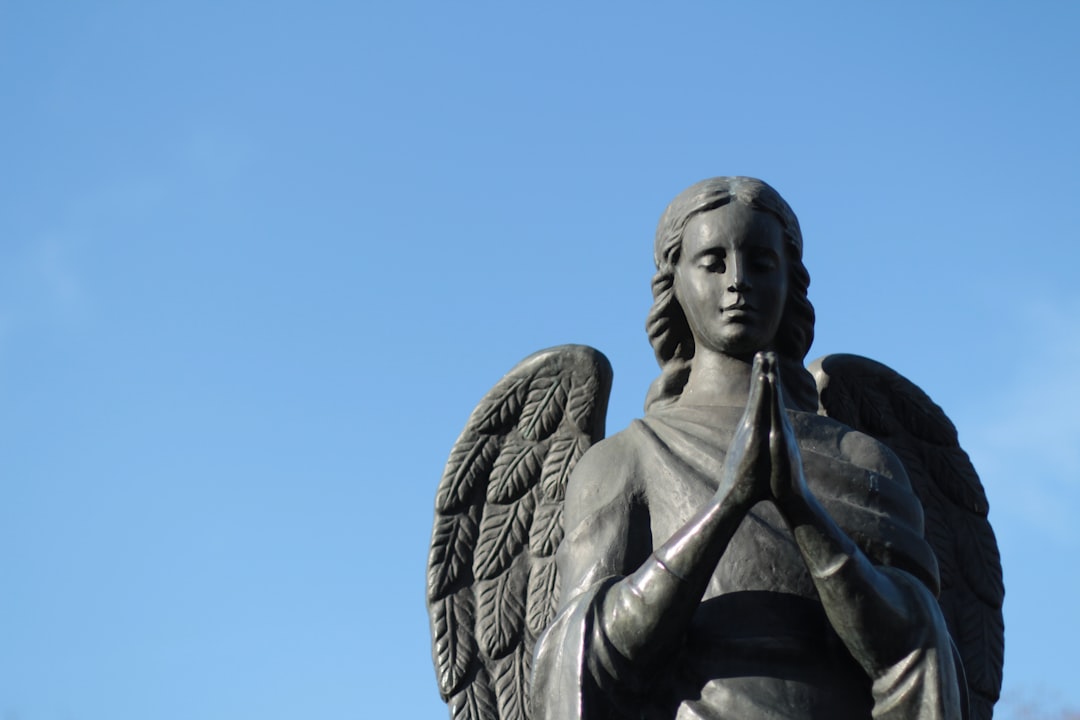
The sculpture is also a starting point for exploring the North East and its history. Visitors can discover the numerous museums, art galleries, and historical attractions that dot the area, making the Angel of the North not just a destination but a launching pad for a cultural adventure. Its presence continues to inspire, stimulate creativity, and bring people together, making the North East a vibrant and lively place.
A Symbol of Resilience and Rebirth
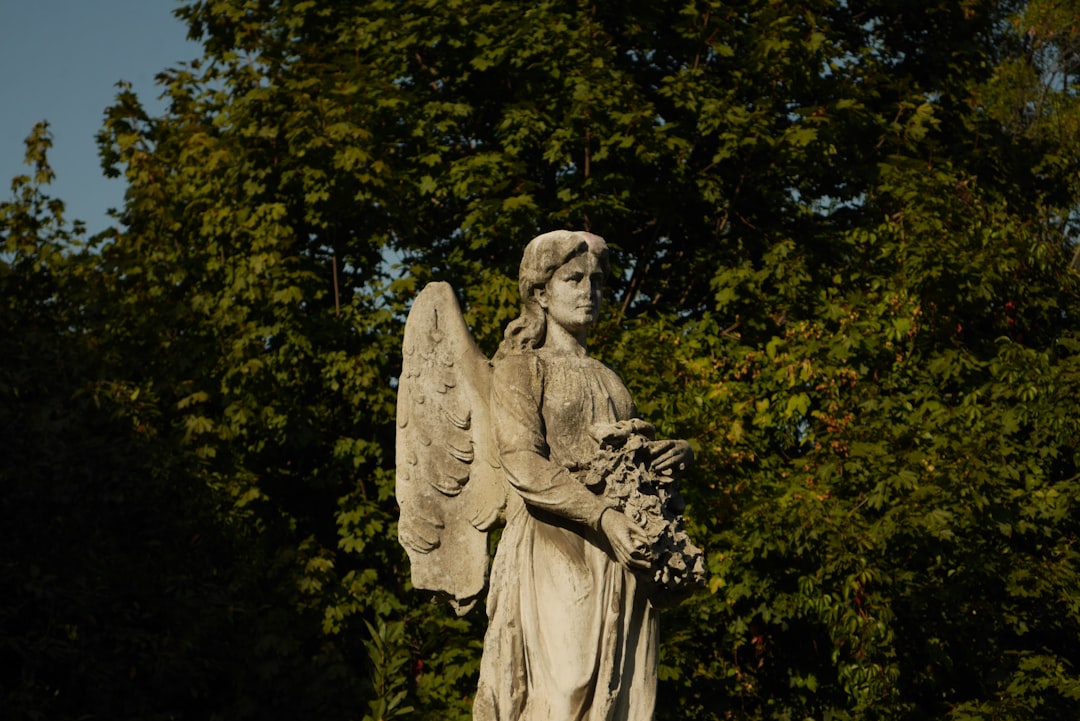
The Angel of the North is more than just a piece of art; it is a symbol of resilience. Created during a period of transformation for the region, it represents the ability to adapt and renew. Since its inauguration, the Angel has witnessed significant changes, both in the urban landscape and in the lives of people. The sculpture invites reflection on how communities can evolve and thrive, despite challenges.
Over the years, the Angel has also inspired artists, writers, and musicians, becoming a subject of creative works. Its iconic silhouette has been used in various cultural contexts, highlighting the power of art to connect people and tell stories. It represents a bright future, where art and culture can serve as catalysts for positive change.
Conclusions: An Icon to Discover
Visit the Angel of the North and let yourself be enveloped by its extraordinary presence. This monument is not just a work of art, but a symbol of everything that the North East of England represents: strength, community, history, and hope. Whether you are an art enthusiast or a simple tourist, the Angel offers an unforgettable experience that will remain in the hearts of all who visit it. Take a moment to observe, reflect, and let yourself be inspired by this extraordinary creation, which will continue to shine as a beacon of culture and pride for years to come.


