
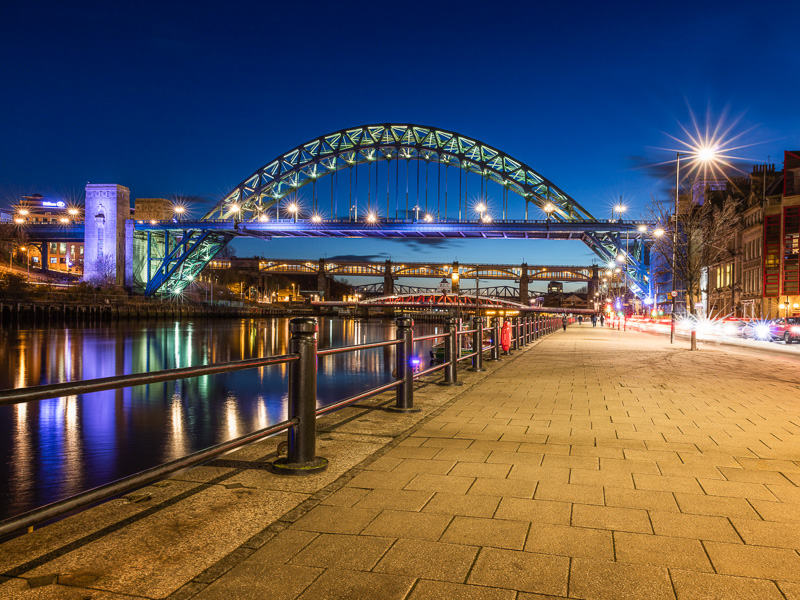

Perched elegantly across the River Tyne, the Sydney Harbour Bridge in Gateshead, UK, is a testament to architectural brilliance and natural beauty, echoing the grandeur of its Australian namesake. While many are familiar with the iconic Tyne Bridge of Newcastle, opened by King George V in 1928, Gateshead’s version offers a unique narrative woven through its iron and steel.
Tracing back to the early 20th century, the bridge's origins are deeply connected to the region's industrial boom. Constructed as part of a broader plan to improve infrastructure in North East England, the bridge symbolizes progress and resilience. It’s a lesser-known fact that its design was actually influenced by the same engineering firm, Dorman Long, responsible for the Sydney Harbour Bridge in Australia, creating a transcontinental bond between the two structures.
Architecturally, Gateshead's Sydney Harbour Bridge is a marvel of engineering. The arch design, characterized by its robust yet graceful curves, is a nod to the era's industrial strength. The bridge's skeletal framework of steel beams and rivets not only supports heavy traffic but also frames a picturesque view of the Tyne River below. Artistry is embedded in its structure; the engineering prowess is an artwork in itself, reminiscent of a time when bridges were not merely functional but also monumental.
The bridge also holds a special place in the natural world. It serves as an unlikely sanctuary for an estimated 700 pairs of black-legged kittiwakes, a seabird species that typically nests on coastal cliffs. Their presence adds a layer of ecological importance, drawing birdwatchers and nature enthusiasts. The kittiwakes’ distinctive cries and aerial acrobatics bring life and vibrancy to the cold, grey steel, creating a harmonious blend of nature and industry.
Gateshead's local culture and traditions are deeply intertwined with its industrial heritage. The bridge is not just a crossing but a gathering place for community events and festivals. One notable celebration is the annual Gateshead International Festival of Theatre (GIFT), which, while not directly associated with the bridge, captures the spirit of creativity and innovation that the structure embodies. The bridge, in many ways, reflects the community's resilience and adaptability, serving as a backdrop to their lives and stories.
When it comes to gastronomy, Gateshead offers a taste of traditional North East England. Nearby, visitors can indulge in classic dishes such as stottie cakes—a type of flat, round bread traditionally baked in the region. Pair this with pease pudding, a savoury yellow spread made from split peas, for an authentic local experience. For those with a sweet tooth, the singin’ hinnies, a type of griddle scone, provides a delightful treat, often served with butter and jam.
Beyond its primary function and natural allure, the bridge holds several lesser-known curiosities. For instance, during World War II, the structure was a strategic point for defense, with its strategic importance extending beyond mere transport. Interestingly, local lore speaks of a hidden time capsule embedded within one of its pylons, a mysterious relic from its construction days, said to contain relics of the era for future generations to discover.
For travelers planning a visit, the best time to experience the bridge is during the late spring or early summer months when the weather is mild, and the kittiwakes are in full nesting mode. Early morning walks offer a serene experience, with the sunrise casting a golden hue over the river and bridge. Evening visits are equally captivating, as the structure is illuminated, reflecting shimmering lights on the Tyne's surface.
Practical tips for visitors include exploring the nearby Baltic Centre for Contemporary Art and the Sage Gateshead, both of which are within walking distance and offer a deeper dive into the region's artistic and cultural offerings. Remember to wear comfortable shoes and bring binoculars if you wish to observe the kittiwakes up close.
The Sydney Harbour Bridge in Gateshead is more than just a bridge. It is a symbol of historical significance, architectural wonder, and natural beauty, offering a unique blend of industrial heritage and ecological sanctuary. Each visit unravels a new story, a new perspective, making it a must-see for those exploring the North East of England.


