
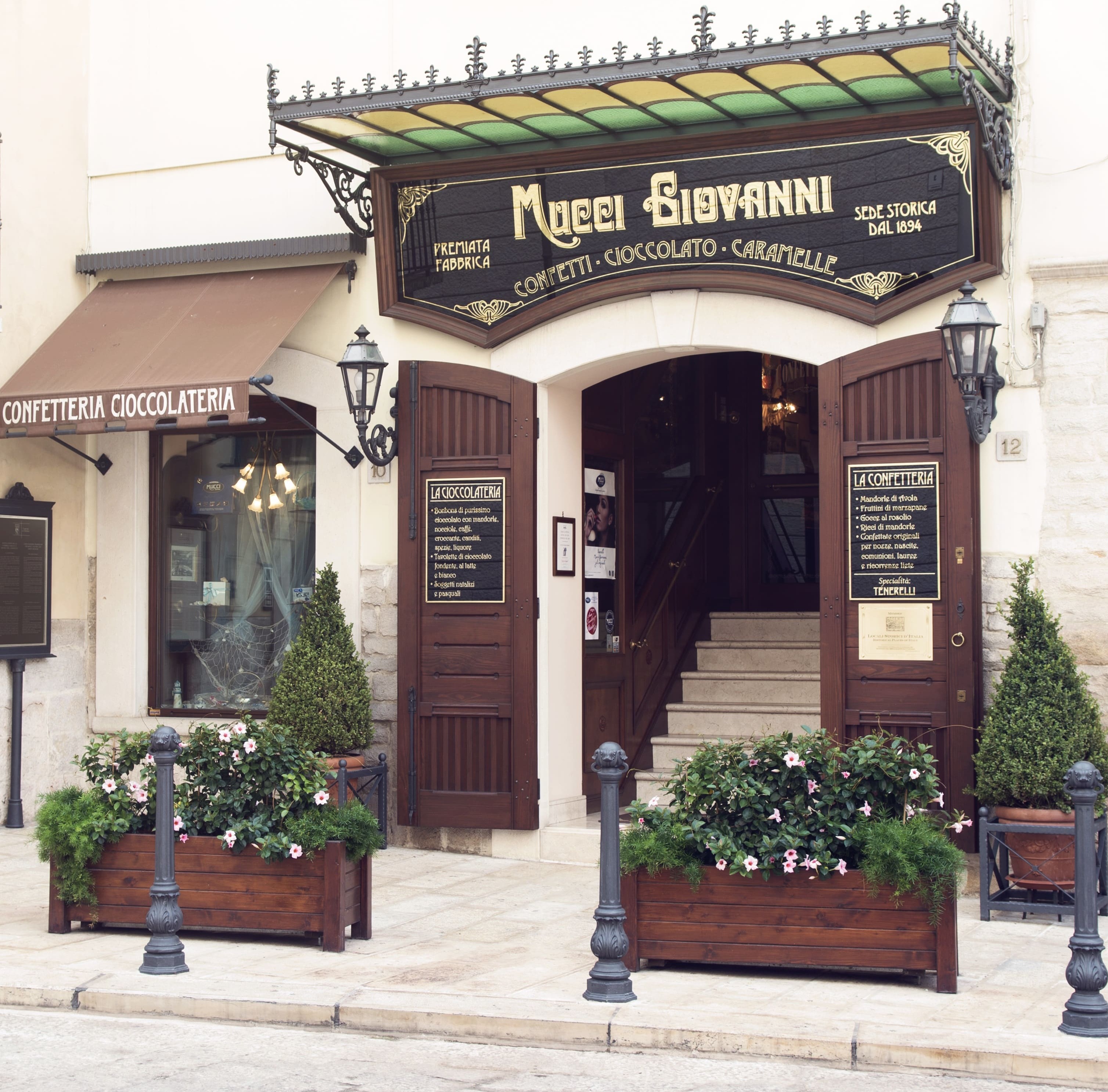

Nestled in the heart of Andria, a town in the enchanting region of Apulia, lies a hidden gem that tells the sweet story of confectionery craftsmanship—the Mucci Confetto Museum. This museum is not merely a tribute to sugared almonds; it encapsulates centuries of tradition, artistry, and local culture, all housed within a striking Art Nouveau building.
The origins of the Mucci Confetto factory date back to 1820 when Giovanni Mucci began producing confetti—sugared almonds celebrated for their symbolic meaning in weddings and celebrations. The factory thrived for generations, becoming a cornerstone of local industry. Through the years, it witnessed numerous transformations, adapting to modern techniques while preserving age-old traditions. Today, the museum showcases this rich history through a meticulously curated collection that illustrates the evolution of confetto-making.
As you step inside, the architectural beauty of the museum immediately captivates. The building features intricate stone vaults, a hallmark of Art Nouveau style, which harmoniously blends decorative arts with functional elements. The flowing lines and ornate details reflect the artistic sensibilities of the early 20th century, making it a visual treat. Notable artworks include original machinery and tools, each piece a testimony to the craftsmanship that has shaped confectionery in the region.
The museum is divided into four distinct sections, each dedicated to a different aspect of the confetto-making process. The first room is a tribute to sugared almonds, showcasing an array of tools like sieves, strainers, and copper bassine—large, shallow pans essential for cooking the sugar. Here, visitors can marvel at the delicate forms used to craft martorana fruit, a traditional marzipan delicacy, alongside the branglantes—the ancient apparatus that gives confetti its signature coating.
Moving into the second room, a captivating video presentation unfolds the story of the Mucci factory, tracing its roots and highlighting the meticulous processes involved in crafting sugared almonds. This audiovisual experience complements the plethora of artifacts, allowing visitors to engage with the narrative of this beloved local confection.
The third room transitions into the world of chocolate, featuring vintage machines, including a tempering machine crucial for creating smooth, glossy chocolate. The melangeur, another vintage gem, showcases the labor-intensive process of grinding cocoa beans into a fine paste, revealing the artistry behind each chocolate creation. This room serves as a reminder of the factory's versatility and innovation in expanding its offerings.
The final section of the museum is dedicated to candy-making, showcasing the impressive hand-embossed bronze rollers used for crafting exquisite candies. This room is a testament to the dedication and skill that goes into producing not just sweets, but also cherished memories for generations.
Beyond its culinary significance, Apulia is rich in local culture and traditions. The region is known for its vibrant festivals, many of which celebrate the art of confectionery. One such event is the Festa di San Nicola, held in early May, where locals come together to celebrate with traditional sweets, including confetti. This festival is a vivid illustration of the deep-rooted customs that bind the community, with sugared almonds often symbolizing wishes for health and happiness.
Gastronomically, Andria is renowned for its local delicacies. The area is famous for its burrata, a creamy cheese that pairs beautifully with fresh bread and tomatoes, and orecchiette, a type of pasta that is a staple in Apulian cuisine. To wash it all down, visitors can enjoy a glass of Primitivo di Manduria, a robust red wine that complements the region's savory dishes perfectly.
As you explore the museum, keep an eye out for lesser-known curiosities that add a layer of intrigue to your visit. For instance, the tradition of giving sugared almonds as wedding favors dates back to ancient Roman times, symbolizing fertility and prosperity. Additionally, the unique process of making confetti is often passed down through generations, reflecting the tight-knit community spirit of Andria.
For those planning a visit to the Mucci Confetto Museum, the best time to go is during the spring or early autumn months when the weather is mild, and local festivals bring an added vibrancy to the area. Be sure to allocate enough time to explore each section of the museum, as the intricate details and rich history deserve a thorough appreciation.
In conclusion, the Mucci Confetto Museum is not just a celebration of sweets; it’s a journey through time and culture, reflecting the heart and soul of Andria and Apulia. To truly make the most of your visit to this charming town and its surroundings, consider using the Secret World app for a personalized itinerary that will guide you through its hidden treasures.


