
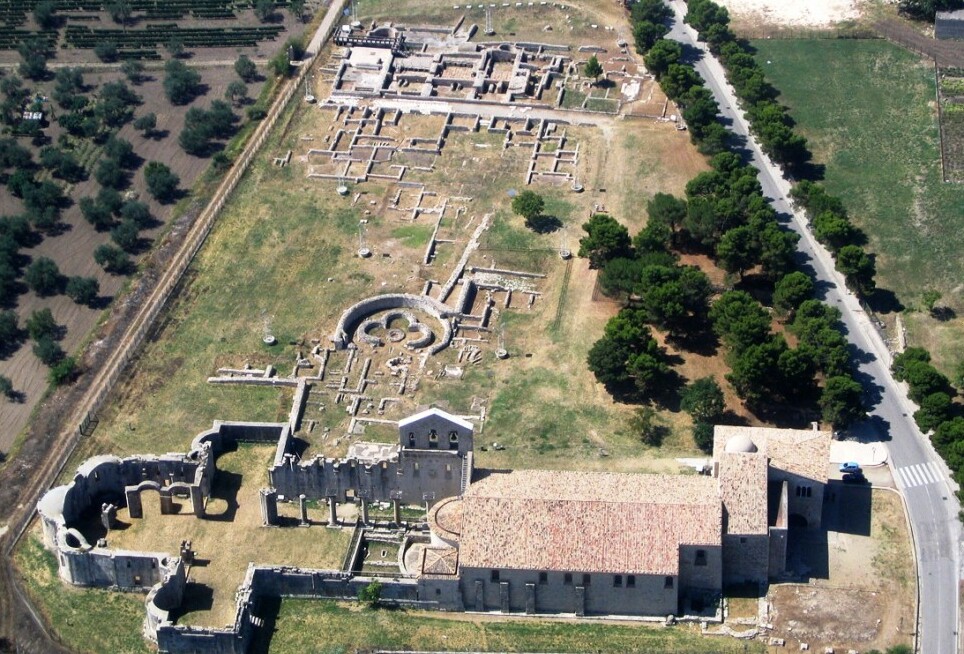

In the heart of Basilicata, the archaeological area of Venosa offers a captivating glimpse into the ancient world, where Roman grandeur intertwines with medieval mystique. Founded in 291 BC as Venusia, this site showcases a rich tapestry of history that spans from the Republican period through the Middle Ages, inviting visitors to explore its monumental remains.
History and Origins
Venosa was strategically established as a Latin colony, serving as a vital crossroads in the ancient Roman Empire. It flourished due to its proximity to trade routes and fertile lands, becoming an essential hub for commerce and military activity. The town witnessed significant events, including the fierce battles of the Second Punic War, which left indelible marks on its landscape.
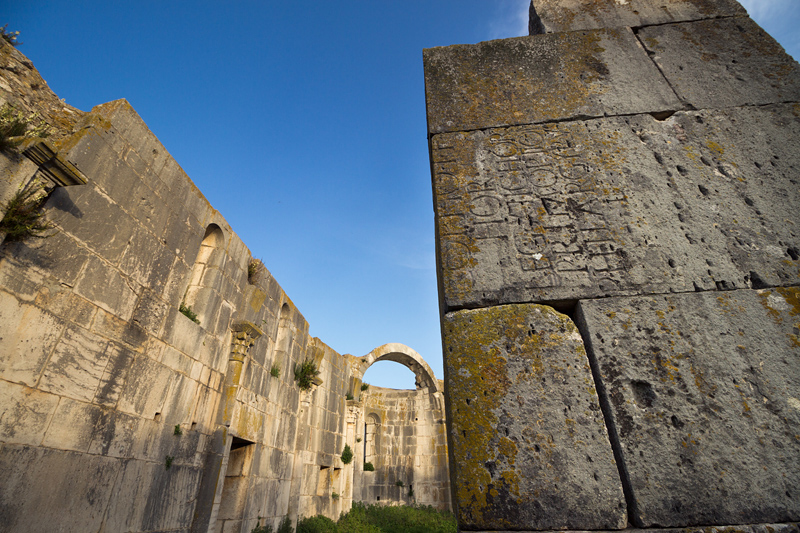
The archaeological site reflects centuries of transformation. The thermae, or thermal baths, constructed in the 1st century AD and renovated until the 3rd century AD, reveal the advanced engineering skills of the Romans. These baths were not just places for bathing; they were social centers where citizens gathered to discuss politics and philosophy. Alongside the baths, residential quarters, including a domus adorned with intricate mosaics, provide insight into the daily lives of Venosa's inhabitants.
The Abbey of the Holy Trinity, a striking landmark, showcases the architectural evolution from the Imperial Roman domus to an early Christian episcopal complex, culminating in the Benedictine abbey system established during the Norman period. The abbey’s restoration has revealed various construction phases, allowing visitors to trace the architectural lineage spanning centuries.
Art and Architecture
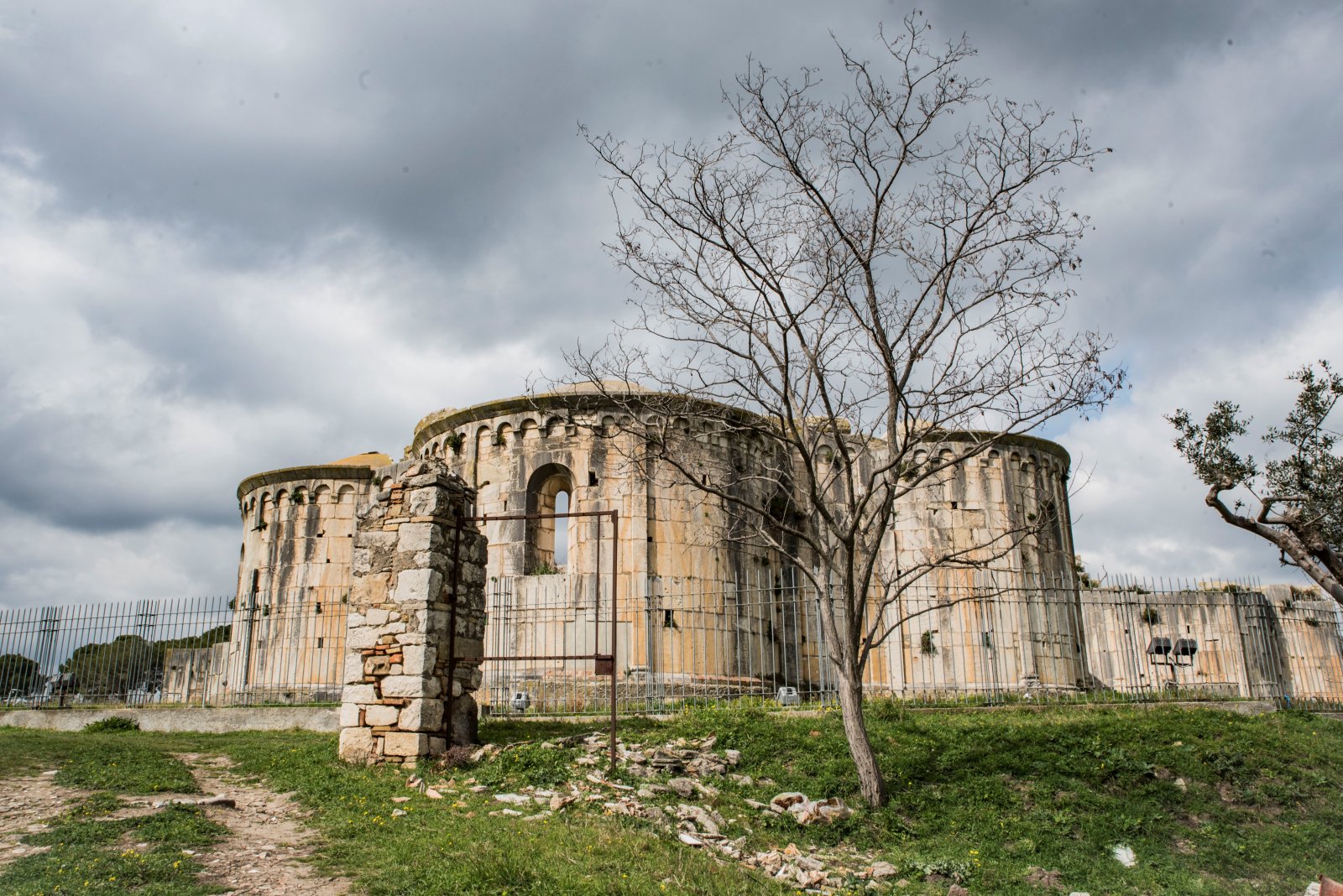
Architecturally, Venosa is a treasure trove. The Roman thermal baths demonstrate the grandeur of Roman public life, while the Incompiuta, an unfinished ecclesiastical structure from the Norman era, captivates with its haunting beauty. The blend of Roman and medieval styles is particularly evident in the abbey's layout, where remnants of Roman columns intermingle with Gothic arches.
Notable artworks include the exquisite mosaics found within the domus, featuring intricate designs that depict both mythological and everyday scenes. These mosaics are not merely decorative; they serve as a testament to the artistic skills and cultural values of the time.
Local Culture and Traditions
Venosa is not just a historical site; it is a living community rich in traditions. The town celebrates various local festivals, such as the Festivals of Saint Andrew, held in November, which brings the community together for processions, music, and traditional food. Additionally, the Festa della Madonna del Carmine in July showcases the local devotion through vibrant parades and religious ceremonies.
Cultural significance is also reflected in Venosa’s literary heritage. The town is famously associated with the poet Quintus Horatius Flaccus, or Horace, who was born here. His legacy is celebrated through various commemorative events and the local museum dedicated to his life and works.
Gastronomy
The culinary landscape of Venosa is steeped in tradition, with local dishes that reflect the region’s agricultural bounty. One must-try dish is Orecchiette con le cime di rapa, a pasta served with turnip tops, a staple in the Apulian diet. Another local favorite is Pane di Venosa, a bread made from ancient grains that has been recognized for its unique flavor and texture.
For those with a sweet tooth, Torrone di Venosa, a nougat made with nuts and honey, is a delightful treat that embodies the region's artisanal craftsmanship. Pair your meal with a glass of Aglianico del Vulture, a robust red wine that has earned acclaim for its depth and complexity.
Lesser-known Curiosities
While many visitors flock to the main attractions, some lesser-known curiosities await discovery. The catacombs of Venosa, both Christian and Jewish, lie beneath the town, offering a haunting yet fascinating insight into the burial practices of ancient civilizations. Additionally, the tomb of Robert Guiscard, a Norman leader, is often overlooked but holds significant historical importance, showcasing the blend of cultures that characterized medieval Italy.
Another hidden gem is the ancient Roman amphitheater, which, though partially ruined, hints at the entertainment and public spectacles that once captivated the citizens of Venosa. The echoes of the past resonate within these walls, inviting imagination and reflection.
Practical Visitor Information
The best time to visit Venosa is during the spring and autumn months when the weather is mild and ideal for exploring the archaeological site. Visitors should allocate ample time to wander through the extensive ruins, allowing for a deeper connection to the history that permeates the air.
Be sure to wear comfortable shoes, as the terrain can be uneven, and don't miss the opportunity to engage with local guides who can provide invaluable insights into the site's history. Look for the mosaic floors and the intricate details of the Abbey of the Holy Trinity, as these elements encapsulate the artistic spirit of the era.
For a more personalized itinerary, consider using the Secret World app to tailor your visit to Venosa’s fascinating heritage.


