
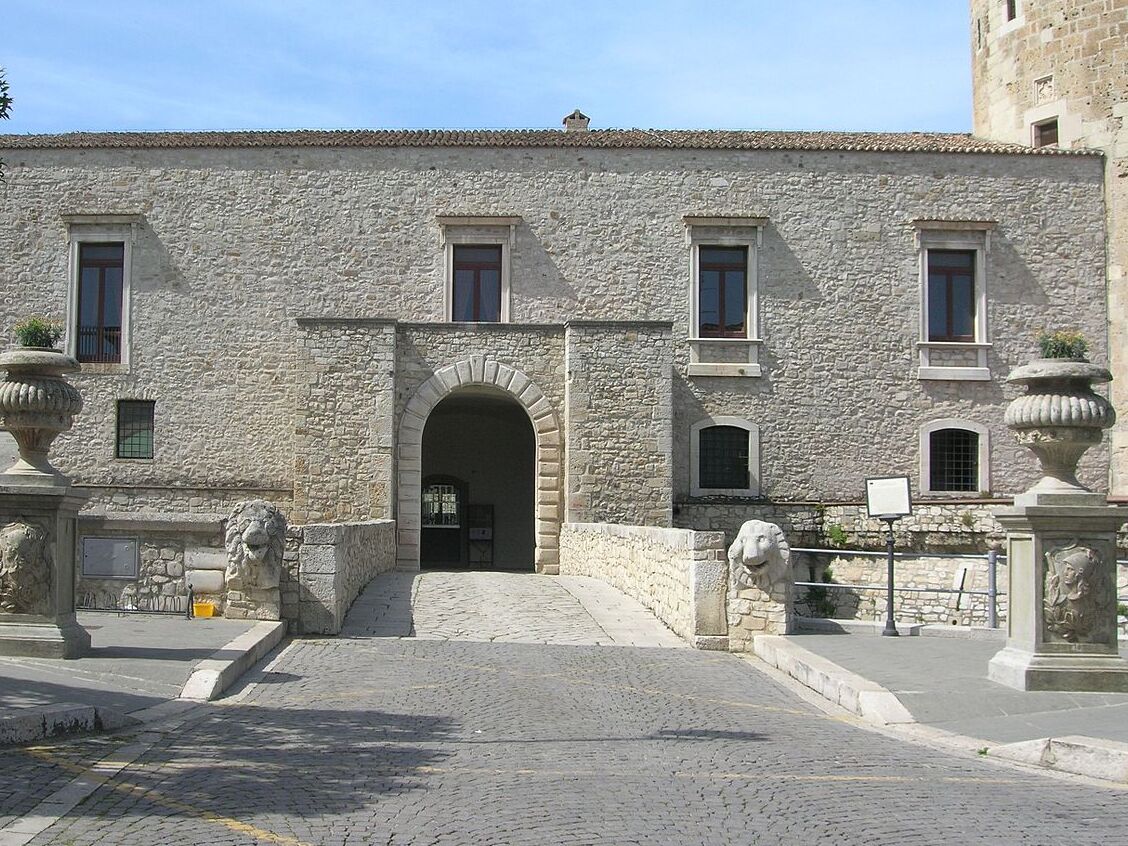

Nestled in the heart of Basilicata, the charming town of Venosa is a treasure trove of history and culture, beckoning travelers with its rich past and captivating landscapes. The Aragonese Castle Museum, situated within the formidable walls of the Aragonese Castle, stands as a testament to the town’s ancient roots and its evolution through the ages.
History and Origins
The story of Venosa begins with its establishment as the Latin colony of Venusia in 291 BC, a significant outpost of the Roman Empire. This strategic location allowed Venusia to flourish, drawing settlers and traders alike. The archaeological evidence speaks volumes, particularly the discovery of a femur fragment of Homo erectus—dating back approximately 300,000 years—making it one of Europe’s oldest human remnants.
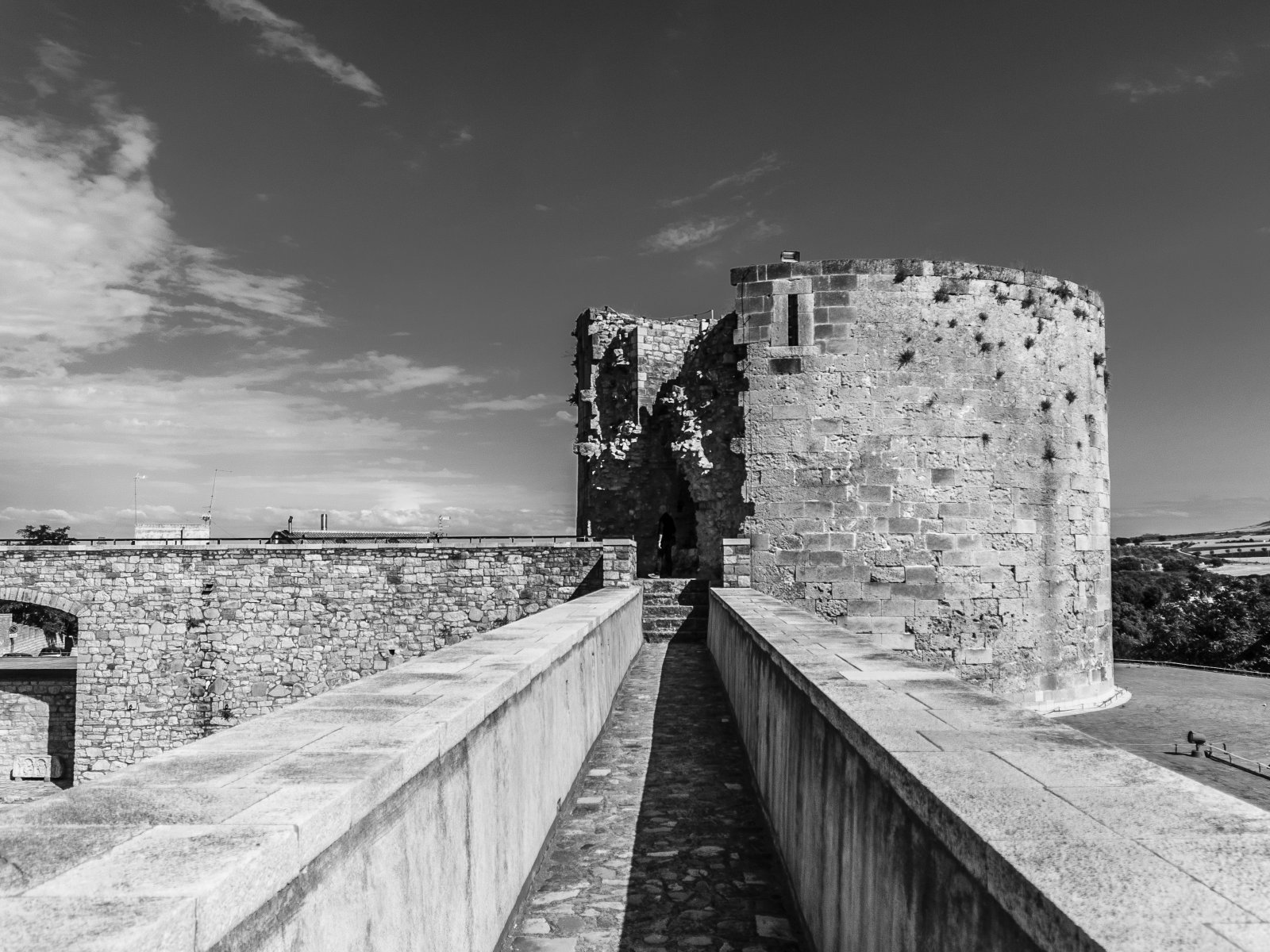
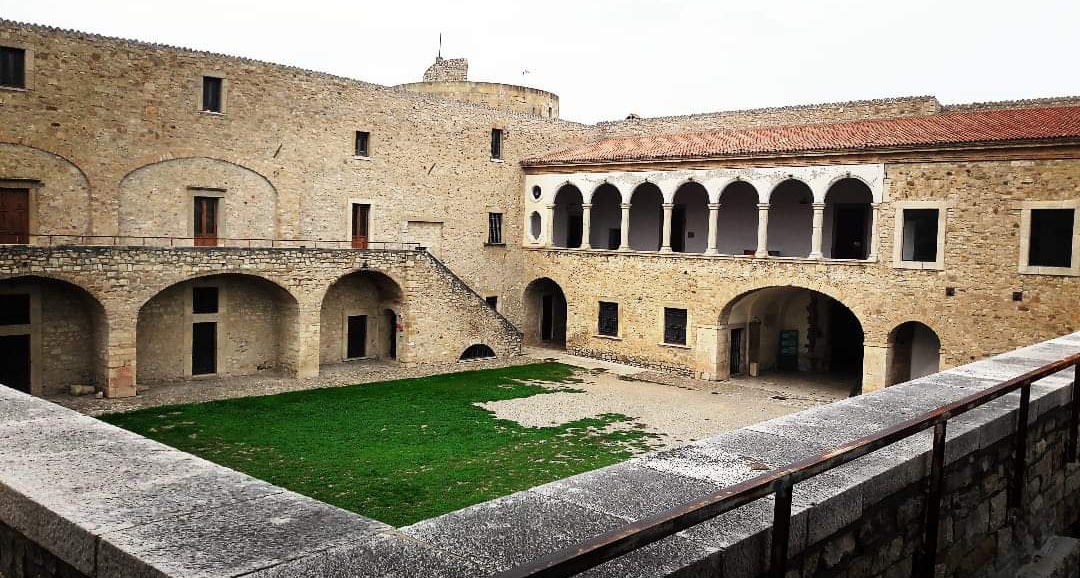
Fast forward to the 15th century, the Aragonese Castle, built in 1470 by Pirro del Balzo, served as a military stronghold. Its robust structure, characterized by angular towers and thick walls, reflects the architectural trends of the time while also accommodating the defensive needs of the period. The castle's basement walkways now house the museum, housing artifacts that narrate the saga of Venosa from prehistoric times through the Roman era and beyond.
Art and Architecture
The Aragonese Castle is an architectural marvel, blending Gothic and Renaissance styles, which were popular during its construction. The sturdy fortifications provide a panoramic view of the surrounding landscape, which is dotted with olive groves and vineyards, creating a picturesque backdrop.
Within the museum, visitors can admire a wealth of artifacts, including coins, ceramics, and architectural fragments that illuminate the political and cultural history of Venusia. The epigraphic section is particularly noteworthy, showcasing a collection of funerary and public inscriptions. These inscriptions document significant civic contributions made by the magistrates of Venusia, offering a glimpse into the societal structure of the time.
Among the most intriguing pieces is the collection of stones inscribed in the ancient Oscan language, which provides insight into the religious practices of the local populace. The nearby site of Banzia (Banzi) is notable for its templum augurale, an open space where auspices were drawn from the flight of birds, a practice deeply rooted in Roman tradition.
Local Culture and Traditions
Venosa is not just a relic of the past; it is a living community with vibrant customs and traditions. The town hosts several festivals throughout the year, reflecting its rich cultural heritage. One of the most celebrated events is the Festa di San Rocco, held in August, where locals participate in a colorful procession, celebrating their patron saint with music, food, and communal spirit.
Another notable event is the Venosa Wine Festival, which showcases the region’s renowned wines, particularly the Aglianico del Vulture. This festival not only highlights local wines but also emphasizes the importance of agriculture and viticulture to the identity of Venosa.
Gastronomy
When it comes to gastronomy, Venosa is a foodie’s paradise. Local cuisine is steeped in tradition, with dishes reflecting the agricultural bounty of the region. One must-try dish is Lagane e Ceci, a hearty pasta made from flour and water, served with chickpeas, a staple of the local diet.
Another culinary delight is Pignata, a slow-cooked meat and vegetable stew that embodies the rustic flavors of Basilicata. Don’t forget to sample the local Aglianico wine, known for its robust flavor and deep color, which pairs beautifully with the region’s savory dishes.
Lesser-known Curiosities
Beyond its prominent historical sites, Venosa is rich with lesser-known curiosities. For instance, the town is home to a unique Jewish cemetery, where inscriptions reveal the presence of a significant Jewish community between the 4th and 9th centuries AD. This cemetery, along with adjacent Christian catacombs, showcases the area’s multicultural past.
Additionally, Venosa is linked to the famous poet Quintus Horatius Flaccus, better known as Horace, who was born in the surrounding region. His legacy endures, with references to the landscapes of Venosa in his poetry, making the town a point of pilgrimage for literature enthusiasts.
Practical Visitor Information
The best time to visit Venosa is during the spring and early autumn months, when the weather is mild and the countryside is in full bloom. The town is easily accessible by car or public transport from larger cities such as Potenza or Bari.
When exploring the Aragonese Castle Museum, take your time to wander through its halls, paying special attention to the epigraphic section and the ancient artifacts that tell the story of Venosa’s rich heritage. Don’t miss the opportunity to stroll through the charming streets, where traditional architecture meets a vibrant local life.
As you plan your visit, consider downloading the Secret World app to create a personalized itinerary that ensures you experience the best of Venosa.


