
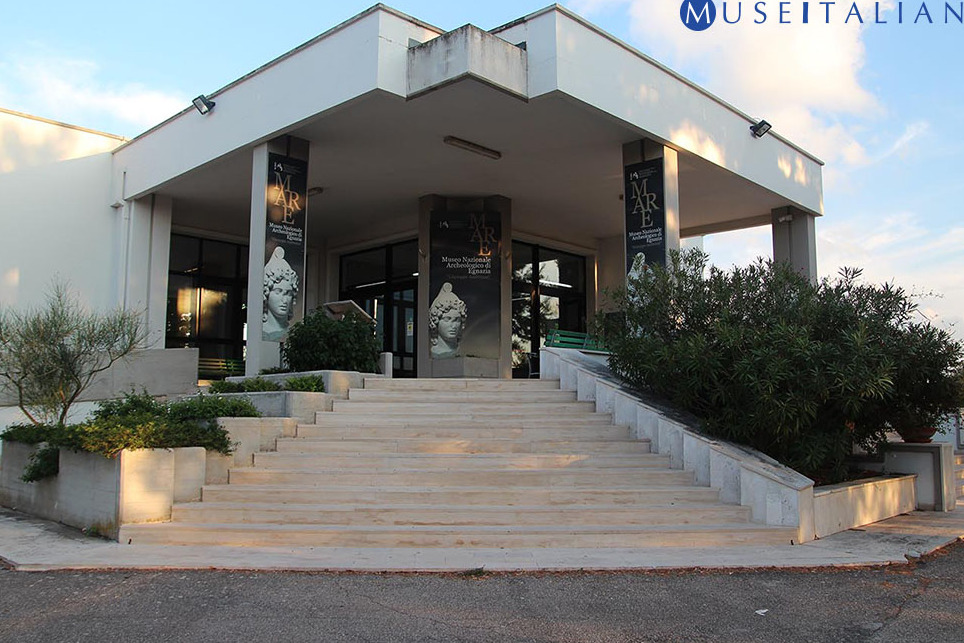

Nestled in the heart of Fasano, the Archaeological Museum of Fasano serves as a treasure trove of ancient history, revealing the rich tapestry of human civilization that has unfolded in this enchanting corner of Italy. Established in the 1970s, the museum was designed to curate and display a remarkable collection of artifacts unearthed from the nearby Egnazia archaeological site, which dates back to the Bronze Age.
The history of Egnazia is as compelling as the artifacts that inhabit the museum. Founded by the Messapians, a pre-Roman civilization, Egnazia flourished due to its strategic coastal position along the Adriatic Sea. The settlement witnessed significant developments, including the establishment of a thriving port and the construction of the Via Traiana, a Roman road that facilitated trade and cultural exchange. Over centuries, Egnazia evolved through various phases, from its early Messapian roots to a Roman town, before ultimately declining around the 6th century AD.
As visitors step into the museum, they are greeted by a wealth of artifacts organized into chronological sections, each narrating the story of Egnazia’s growth and decline. Among the standout pieces are the trozzella vases, emblematic of the Messapian culture. These unique vessels feature plastic wheels, known as "trozze," meticulously crafted into their handles, showcasing the artisanship of the time. The museum also boasts an impressive collection of red-figure Apulian ceramics, known for their intricate designs and vibrant colors, alongside the elegant Gnathia style vases, identifiable by their black varnished surfaces adorned with white and yellow decorations.
In addition to these local treasures, the museum houses a fascinating array of amphorae and artifacts from Italian, African, and Oriental origins. These items provide a glimpse into the bustling trade networks that once thrived here, propelled by the maritime routes established through the construction of the port and the Via Traiana. One of the most striking exhibits is the exquisite head of Attis, a figure adorned with a Phrygian cap, carved from fine white marble. This piece not only reflects the artistic talent of the Adriatic age but also symbolizes the spread of Eastern cults, particularly that of the Great Mother Cybele, revealing the complex cultural exchanges of the time.
Beyond the museum's walls, Fasano brims with local customs and traditions that enrich the cultural landscape. The town hosts several vibrant festivals throughout the year, particularly during the summer months. One such event, the Festa di San Giovanni, celebrates the patron saint with processions, music, and traditional food. The local community takes pride in preserving these traditions, which serve as a bridge connecting the past to the present.
Gastronomy in Fasano is a delightful affair, deeply influenced by its agricultural heritage and coastal proximity. The region is known for its olive oil, often regarded as liquid gold, which plays a pivotal role in local cuisine. Dishes like orecchiette con cime di rapa (pasta with turnip tops) and braciole (rolled meat cooked in tomato sauce) reflect the simplicity and richness of Apulian cooking. Don't miss the chance to savor taralli, a crunchy snack often enjoyed with local wines, or indulge in pasticciotto, a sweet pastry filled with custard, perfect for a midday treat.
For those seeking lesser-known curiosities, the museum reveals hidden gems that often escape the notice of casual visitors. One intriguing fact is that the site of Egnazia was not just a settlement but a significant religious hub. Remains of ancient temples dedicated to various deities have been found in the area, hinting at the spiritual life that once thrived here. Moreover, the museum’s layout itself is worth noting; it’s designed to mimic the ancient paths of Egnazia, allowing visitors to meander through history as they would have in antiquity.
Visiting the Archaeological Museum of Fasano is best during the shoulder seasons of spring and early autumn, when the crowds are thinner, and the weather is pleasantly mild. To fully appreciate the exhibits, take your time to read the descriptions and engage with the stories behind each artifact. A guided tour can enrich your experience, providing deeper insights into the historical context and significance of the displays.
As you plan your visit to this captivating museum, consider exploring the surrounding landscapes and the charming town of Fasano, where history and culture intertwine beautifully. For a personalized itinerary that captures the essence of Fasano, check out the Secret World app to help plan your journey.


