
← Back

The ancient city of Gnathia

Via delle Carceri, 72015 Fasano BR, Italia ★★★★☆ 322 views
Klaira Tanya
Fasano
🏆 AI Trip Planner 2026

Get the free app

Discover the best of Fasano with Secret World — the AI trip planner with 1M+ destinations. Get personalized itineraries, hidden gems and local tips. Free on iOS & Android.

🧠 AI Itineraries 🎒 Trip Toolkit 🎮 KnowWhere Game 🎧 Audio Guides 📹 Videos
Scan to download Scan to download

About The ancient city of Gnathia

The ancient city of Gnathia - Fasano | Secret World Trip Planner

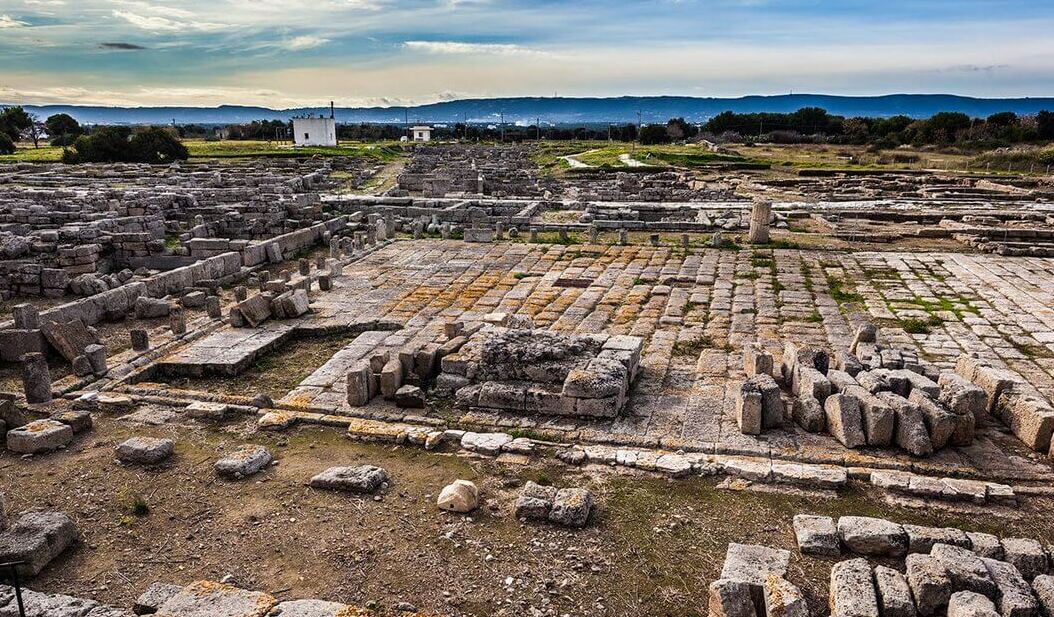
The ancient city of Gnathia, cited by classical authors for its privileged geographical position, was a strategic commercial port of call in the connection between West and East. The first settlement arose in the sixteenth century BC and had continuity of life until the Iron Age, when the whole territory of Puglia was inhabited by the Iapigi. Around the end of the VI century B.C., Egnazia became a settlement of Messapia, corresponding to the current provinces of Brindisi and Lecce. Starting from the III century B.C., with the Roman presence in the territory, the city was transformed and in the I century B.C. it acquired the municipal status, assuming great importance thanks to the presence of the port and the Via Traiana. From the VI century A.D. the lower part of the inhabited area was progressively abandoned and the settlement continued on the Acropolis, until the XIII century. Of the Messapian phase of Egnazia remain the powerful defensive walls and the necropolis, with pit tombs, semi-chambers and monumental chamber tombs. Of the Roman city you can admire the remains of the Via Traiana, the Civil Basilica with the hall of the Three Graces, the Sacellum of the Eastern gods, the porticoed square, the cryptoporticus and the baths. Among the buildings of Christian worship, built between the 4th and 6th centuries A.D., there are the Episcopal Basilica with its baptistery and the Southern Basilica, originally paved with mosaics. The museum, built in 1975 outside the walls of ancient Gnathia, on the edge of the western necropolis, has hosted a series of temporary exhibitions since 1981, also permanently maintaining a didactic exhibition on 'Egnazia, history and monuments'. The current layout, located on the mezzanine floor where the management and secretarial offices are also located, was inaugurated in July 2013. The exhibition, divided into 7 sections, tells the story of the events that characterized the archaeological research in Egnazia and the historical evolution of the site from the sixteenth century BC until the thirteenth century AD, the time of abandonment. The finds and images illustrate the peculiarities that characterized the first settlement of huts in the Bronze Age, the influence of the Iapigia and Messapian culture, the Roman and early Christian phase, with the city becoming a bishopric. The last section collects testimonies related to the Longobard presence and the last traces of frequentation of the area. The finds come from excavations carried out in the inhabited area and in the necropolis of Egnazia, but also from the territory. The foundations of the museum also include a Messapic chamber tomb of the IV century B.C., the so-called Tomb of the Pomegranates.

🗺 AI Trip Planner

Plan your visit to Fasano

Suggested itinerary near The ancient city of Gnathia

MAJ+
500.000+ travelers worldwide
  1. 🌅
    Morning
    The ancient city of Gnathia
    📍 Fasano
  2. ☀️
    Afternoon
    Archaeological Museum of Fasano
    📍 0 km · Fasano
  3. 🌆
    Evening
    Grave of the Pomegranates
    📍 0.2 km · Fasano

Buy Unique Travel Experiences

Powered by Viator

See more on Viator.com

Explore nearby · Fasano

Frequently Asked Questions

Gnathia was a strategic commercial port connecting the West and East, serving as a crucial hub for trade and commerce. The city gained particular importance during the Roman period when it acquired municipal status in the I century B.C., largely due to its excellent port facilities and connection to the Via Traiana.
Visitors can explore impressive Messapian defensive walls and necropolises with various tomb types, as well as Roman structures including remains of the Via Traiana, the Civil Basilica with the hall of the Three Graces, public baths, and a cryptoporticus. The site also features early Christian basilicas from the 4th-6th centuries A.D., including the Episcopal Basilica with its baptistery.
Yes, the museum was built in 1975 just outside the city walls near the western necropolis and features a permanent didactic exhibition on 'Egnazia, history and monuments' spread across 7 sections. The exhibition documents the archaeological research and historical evolution of the site, with the current layout inaugurated in July 2013 located on the mezzanine floor.
Gnathia had remarkable continuity of life spanning over 1,500 years, beginning with the first settlement in the sixteenth century B.C. and continuing through the Messapian and Roman periods until the XIII century A.D., when settlement gradually moved to the Acropolis after the VI century A.D.
The most notable Messapian structures are the powerful defensive walls that still stand today and the extensive necropolis featuring various burial styles including pit tombs, semi-chamber tombs, and monumental chamber tombs. These remains showcase the sophisticated engineering and burial practices of the Messapian civilization that flourished here until the Roman period.
