

Nestled in the heart of Emilia-Romagna, the Archaeological Museum of Sarsina offers a captivating glimpse into the ancient world, revealing the rich tapestry of history that defines this charming town. Founded as a municipal collection in 1890, the museum has evolved into one of the most significant archaeological sites in northern Italy, showcasing a wealth of artifacts that narrate the story of Sarsina, once a thriving Roman municipality.
### History and Origins
The origins of Sarsina can be traced back to the Umbrian civilization, making it one of the oldest settlements in the region. Established as the capital of the Umbrians, Sarsina became an important center due to its strategic location in the Savio Valley. Following the Roman conquest, the town flourished, transforming into a bustling municipality linked closely to Ravenna. This connection not only facilitated trade but also fostered cultural exchanges that would shape the development of Sarsina.
A pivotal figure in Sarsina's history is the renowned Latin playwright Plautus, who was born here around 254 B.C. His works, characterized by their wit and humor, reflect the vibrant social life of ancient Rome and its provinces. As a testament to his legacy, the museum’s exhibits include artifacts that provide context to the theatrical culture of his time.
The museum's collection expanded significantly after the recovery of materials from the necropolis of Pian di Bezzo, leading to its acquisition by the State in 1957. This collection spans a remarkable timeline from prehistoric times to late antiquity, with a notable emphasis on the Roman era.
### Art and Architecture
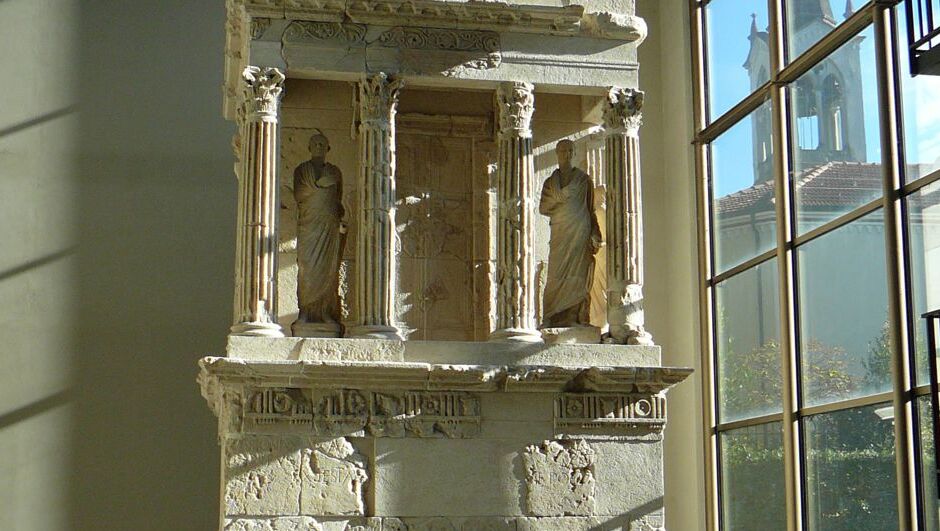
The museum's architecture itself is a harmonious blend of historical significance and modern design. The 1990 radical restructuring enhanced the display of several grand funerary monuments. Among these, the highlight is the shrine mausoleum of Rufus, reaching an impressive height of 13.5 meters and dating back to the late 1st century B.C. This mausoleum not only exemplifies the architectural prowess of the time but also serves as a poignant reminder of the burial customs of the ancient Romans.
The museum also boasts exquisite artworks, including statues of Eastern gods that reflect the syncretic nature of religious beliefs during the Roman era. The stunning polychrome mosaic floors are another highlight, particularly the mosaic known as "the Triumph of Dionysus," which vividly depicts the god of wine and revelry. This artwork is not merely decorative; it encapsulates the cultural significance of Dionysian festivals that were integral to Roman life.
### Local Culture and Traditions
Sarsina is not only rich in archaeological significance but also in its local culture and traditions. The town celebrates various festivals that highlight its historical heritage. One of the most notable is the Sarsina Festival, which takes place annually in the summer months. This festival features theatrical performances, music, and culinary delights, all celebrating the legacy of Plautus and the town's ancient roots.
Traditional customs remain alive in Sarsina, where locals often engage in artisanal crafts, preserving skills passed down through generations. The community's connection to its past is reflected in the way residents embrace their history, often participating in reenactments of historical events that draw visitors from afar.
### Gastronomy
No visit to Sarsina would be complete without indulging in its gastronomy. The region is known for its rich culinary heritage, with local specialties that tantalize the palate. One must-try dish is the "Pasta alla Sarsinese," a handmade pasta served with a rich meat sauce that showcases the region's agricultural bounty and culinary traditions. Additionally, the Savio Valley is famous for its truffles, which are celebrated in various local dishes.
Accompanying these delights, you can savor the local wines, particularly the Sangiovese, which pairs beautifully with the hearty flavors of the region. The rich, full-bodied wines are a testament to the fertile lands surrounding Sarsina, where viticulture has been practiced for centuries.
### Lesser-known Curiosities
While the major exhibits draw the most attention, the museum has its share of lesser-known curiosities that many visitors may overlook. For instance, one of the more intriguing artifacts is a collection of ancient Roman graffiti discovered in the necropolis, offering a personal glimpse into the lives and thoughts of ordinary citizens from centuries ago. Additionally, the museum houses a selection of funerary inscriptions that highlight the diverse cultural influences of Sarsina's residents.
Another hidden gem within the museum is the reconstruction of a Roman villa, allowing visitors to step back in time and visualize daily life in ancient Sarsina. This immersive experience enhances the understanding of the social structures and domestic activities of the period.
### Practical Visitor Information
The best time to visit the Archaeological Museum of Sarsina is during the spring and early autumn months when the weather is mild and conducive to exploring the outdoor areas of the town. The museum is conveniently located near the town center, making it a perfect stop for those exploring Sarsina's historical sites.
Tips for visitors include taking time to engage with the museum staff, who are often eager to share stories and insights about the exhibits. Be sure to look out for the multilingual pamphlets available for non-Italian speakers, which provide valuable context to the artifacts on display.
As you plan your visit, consider downloading the Secret World app to create a personalized AI itinerary that will help you discover the hidden gems of Sarsina.