
← Back

Archaeological Park of the Messapian Walls

Str. Vicinale Scegno, 74024 Manduria TA, Italia ★★★★☆ 147 views
Marika Fellon
Manduria
🏆 AI Trip Planner 2026

Get the free app

Discover the best of Manduria with Secret World — the AI trip planner with 1M+ destinations. Get personalized itineraries, hidden gems and local tips. Free on iOS & Android.

🧠 AI Itineraries 🎒 Trip Toolkit 🎮 KnowWhere Game 🎧 Audio Guides 📹 Videos
Scan to download iOS / Android
Scan for AppGallery Huawei users

About Archaeological Park of the Messapian Walls

Archaeological Park of the Messapian Walls - Manduria | Secret World Trip Planner

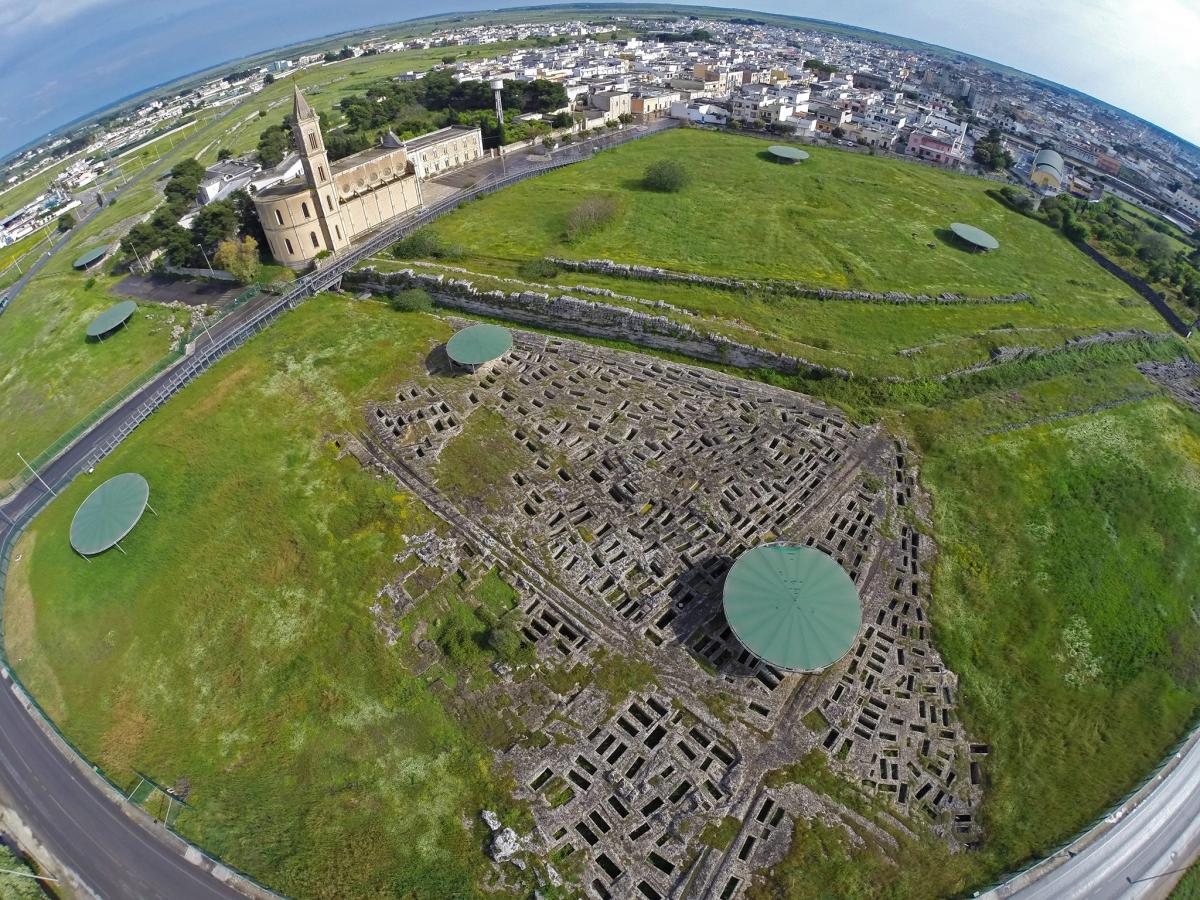
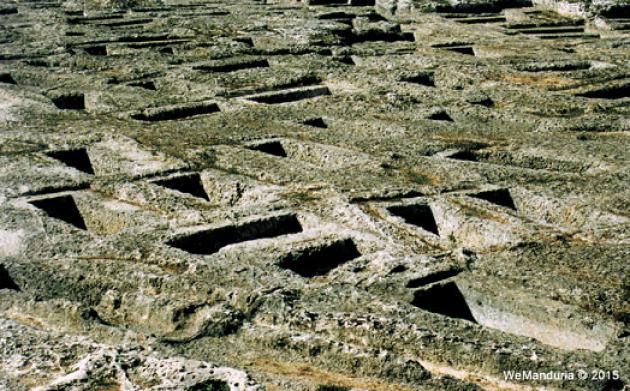
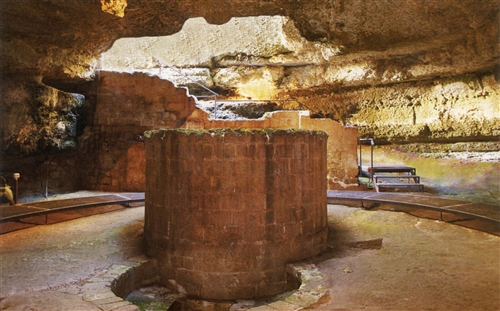
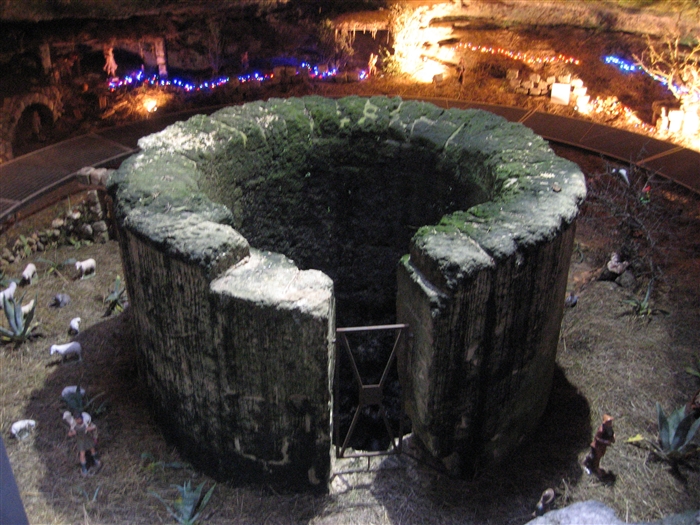
A symbol of the city and the park is the Plinian Spring, a monument mentioned by Pliny the Elder for its constant water supply. Depicted in the city's coat of arms as a well from which an almond tree blossoms, the Fonte is located at the entrance to the park and is astonishing for the magical atmosphere created by the play of light inside the hypogeal environment and for a detail that also struck Pliny: no matter how much water is drawn, the level of the well remains unchanged. The area of the Archaeological Park of the Messapic Walls, covering about 15 hectares, includes most of the remains of the ancient city's defensive walls and more than 1,000 rock-cut tombs, which allow us to understand the extraordinary grandeur of the Messapian people of Manduria. The defensive walls of the Messapic city are represented by three concentric circles of walls of different size and construction type. The inner circle (5th century B.C.) has a perimeter of more than 2 km;
Archaeological Park of the Messapian Walls - Manduria | Secret World Trip Planner
🗺 AI Trip Planner 2026

Plan your visit to Manduria

Suggested itinerary near Archaeological Park of the Messapian Walls

MAJ+
500.000+ travelers worldwide
  1. 🌅
    Morning
    Archaeological Park of the Messapian Walls
    📍 Manduria
  2. ☀️
    Afternoon
    Museum of Primitivo Wine Civilization
    📍 0.8 km · Manduria
  3. 🌆
    Evening
    Church of St. John the Baptist (Mother Church) in Avetrana
    📍 9.2 km · Manduria

Buy Unique Travel Experiences

Powered by Viator

See more on Viator.com

Explore nearby · Manduria

Frequently Asked Questions

The Plinian Spring is a monument mentioned by the ancient writer Pliny the Elder, famous for its mysterious constant water supply that never decreases no matter how much water is drawn from it. Located at the entrance to the park, it creates a magical atmosphere in its hypogeal (underground) environment and is depicted in the city's coat of arms as a well from which an almond tree blossoms.
The park covers approximately 15 hectares and contains most of the remains of the ancient Messapian city's defensive walls plus over 1,000 rock-cut tombs. These archaeological features showcase the extraordinary grandeur of the Messapian people of Manduria and their sophisticated construction techniques.
The defensive walls consist of three concentric circles of walls that vary in size and construction type, demonstrating different building periods and techniques. The inner circle, dating to the 5th century B.C., has a perimeter of more than 2 kilometers and represents one of the most impressive structures from the Messapian civilization.
The spring's remarkable characteristic of maintaining a constant water level regardless of how much water is extracted caught the attention of Pliny the Elder in ancient times and continues to astonish visitors today. This natural phenomenon, combined with the magical play of light in its underground setting, makes it both a historical and atmospheric wonder.
The presence of over 1,000 rock-cut tombs throughout the 15-hectare park provides archaeologists and visitors with crucial insights into the wealth, sophistication, and cultural practices of the Messapian people. These burial sites help reconstruct the daily life and grandeur of Manduria's ancient inhabitants.