
← Back

Church of San Pietro di Crepacore

72028 Torre Susanna BR, Italia ★★★★☆ 211 views
Simona Illy
Torre Susanna
🏆 AI Trip Planner 2026

Get the free app

Discover the best of Torre Susanna with Secret World — the AI trip planner with 1M+ destinations. Get personalized itineraries, hidden gems and local tips. Free on iOS & Android.

🧠 AI Itineraries 🎒 Trip Toolkit 🎮 KnowWhere Game 🎧 Audio Guides 📹 Videos
Scan to download iOS / Android
Scan for AppGallery Huawei users

About Church of San Pietro di Crepacore

Church of San Pietro di Crepacore - Torre Susanna | Secret World Trip Planner

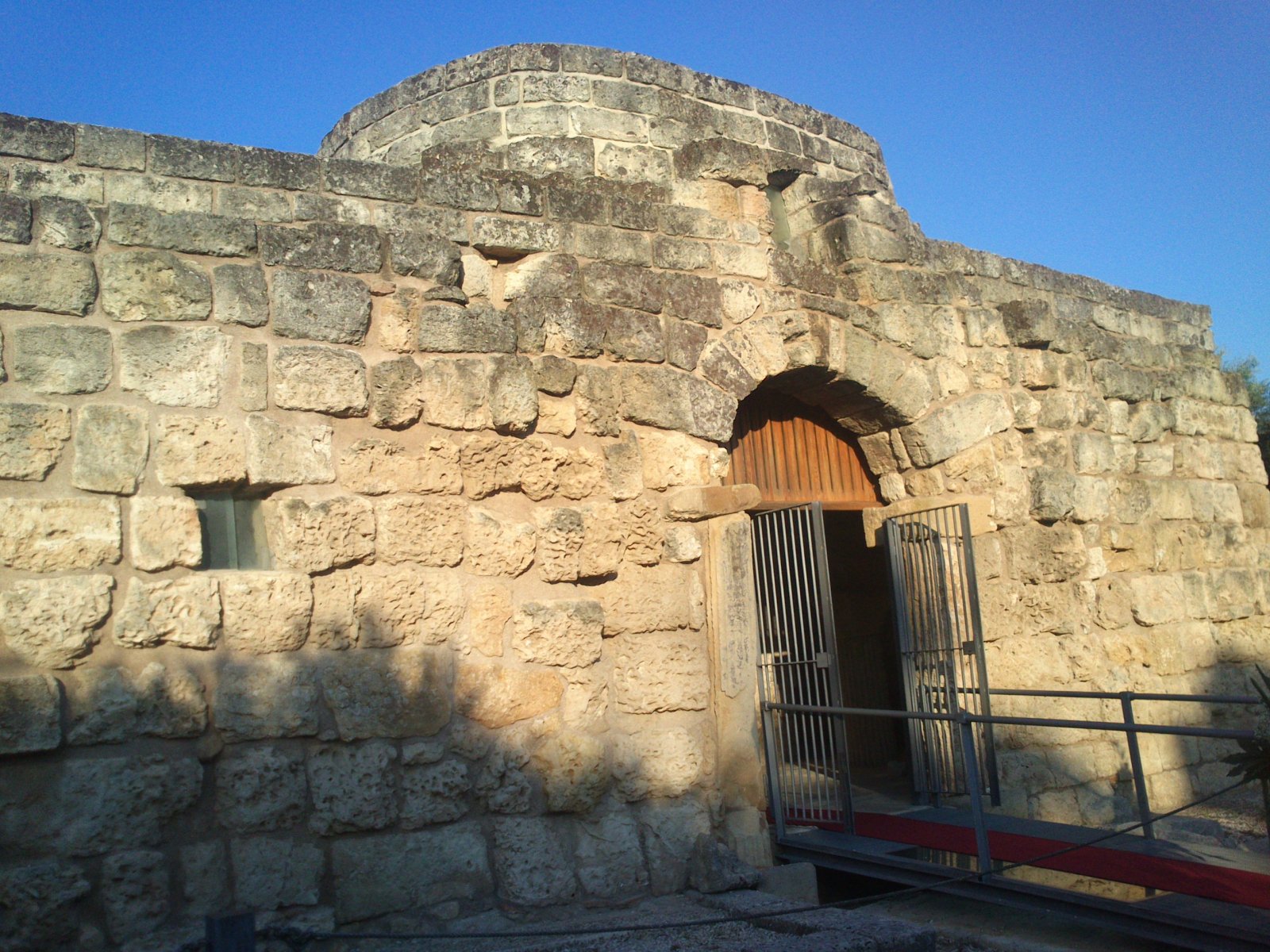
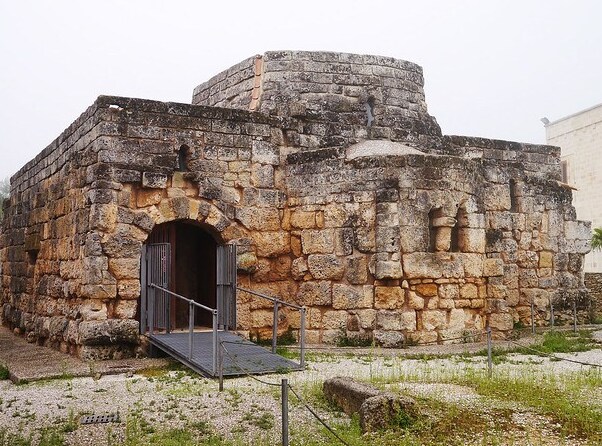
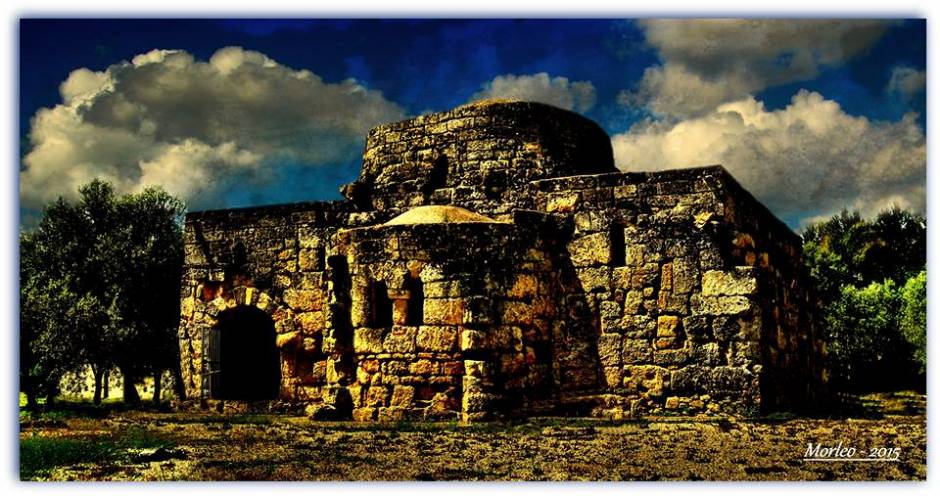
Nestled in the tranquil district of Crepacore near Torre Santa Susanna, the Church of San Pietro di Crepacore stands as a testament to the rich tapestry of history and culture that defines this enchanting corner of Italy. Built on the remnants of a Roman villa, the church showcases both Byzantine architecture and the unique carpara stone prevalent in the Salento region. Its architectural layout, resembling a fortress, draws visitors into its sacred space, while the intricate details whisper tales of faith and resilience.

Church of San Pietro di Crepacore - Torre Susanna | Secret World Trip Planner

### History and Origins The Church of San Pietro di Crepacore traces its origins back to an era when the Byzantine Empire was at its zenith. Constructed around the 9th century, the church stands as a symbol of continuity amidst the waves of history that have washed over the region. Its location on the ruins of a Roman villa suggests that this site was of significance long before the church was built—an enduring sanctuary that has witnessed centuries of change.

Over the years, the church has been a focal point for local communities, particularly during the Middle Ages, when it served as a refuge for travelers and a place of worship for the faithful. Despite its modest size, the church has withstood the test of time, offering a glimpse into the spiritual life of its past inhabitants.

Church of San Pietro di Crepacore - Torre Susanna | Secret World Trip Planner

### Art and Architecture The architectural style of San Pietro di Crepacore is a remarkable blend of Byzantine influences and local traditions. Its square plan is meticulously designed, corresponding to 18 Byzantine feet, which translates to approximately 5.5 meters. This unique measurement reflects the church's connection to the divine, with the initials corresponding to the name of Jesus rendered in Greek numerals, adding an element of sacred geometry to its design.

The use of carpara stone, a local material known for its durability and aesthetic appeal, gives the church its distinctive character. Visitors will notice the thick walls that evoke a sense of strength and protection, reminiscent of a fortress. Inside, the simplicity of the decor allows the beauty of the stonework to shine, while the modest altar remains a focal point for contemplation.

### Local Culture and Traditions The Church of San Pietro di Crepacore is not just a historical monument; it is an integral part of the local culture and traditions. Each year, the church plays host to various religious festivals that reflect the deep-rooted faith of the community. One of the most significant events is the feast of Saint Peter, celebrated with processions, music, and local delicacies that bring together residents and visitors alike.

During these festivities, traditional customs come alive, showcasing the vibrant spirit of the Salento region. Local artisans often display their crafts, while folk music fills the air, creating an atmosphere that is both joyful and reverent.

### Gastronomy No visit to Crepacore would be complete without indulging in the local gastronomy that characterizes the Salento region. The area is renowned for its rich culinary heritage, with dishes that celebrate the bounties of the land. Traditional foods such as orecchiette pasta, typically served with broccoli rabe or tomato sauce, showcase the simplicity and freshness of local ingredients.

Additionally, visitors may enjoy puccia, a type of bread stuffed with various fillings, or taralli, a crunchy snack often enjoyed with a glass of Primitivo wine. The region's olive oil, known for its exquisite flavor, complements many dishes and is a staple in local kitchens.

### Lesser-Known Curiosities While many tourists flock to the more prominent attractions in Salento, the Church of San Pietro di Crepacore holds its own unique charm. One of the lesser-known facts about this church is the presence of ancient inscriptions on its walls, believed to date back to its Byzantine origins. These inscriptions provide fascinating insights into the spiritual life of the time and are often overlooked by casual visitors.

Additionally, the picturesque landscape surrounding the church is dotted with ancient olive groves and farms, where time seems to stand still. This serene environment offers a perfect backdrop for those seeking tranquility and a connection to the past.

### Practical Visitor Information The best time to visit the Church of San Pietro di Crepacore is during the spring (April to June) or early autumn (September to October) when the weather is mild, and the landscape is lush. The church is accessible by car, and visitors can enjoy a scenic drive through the countryside.

When visiting, take your time to explore the surrounding area, including the charming town of Torre Santa Susanna, where you can find local shops and cafes. Be sure to bring a camera to capture the stunning architectural details and the breathtaking views of the Salento countryside.

With its rich history, stunning architecture, and vibrant local culture, the Church of San Pietro di Crepacore is a hidden gem waiting to be discovered.

For a personalized itinerary that includes this hidden treasure in your journey through Torre Susanna, consider using the Secret World app.

🗺 AI Trip Planner

Plan your visit to Torre Susanna

Suggested itinerary near Church of San Pietro di Crepacore

MAJ+
500.000+ travelers worldwide
  1. 🌅
    Morning
    Church of San Pietro di Crepacore
    📍 Torre Susanna
  2. ☀️
    Afternoon
    Sanctuary of Santa Maria di Cotrino in Latiano
    📍 7.4 km · Torre Susanna
  3. 🌆
    Evening
    Church of S. Anna - Mesagne
    📍 7.6 km · Torre Susanna

Buy Unique Travel Experiences

Powered by Viator

See more on Viator.com

Explore nearby · Torre Susanna

Frequently Asked Questions

The Church of San Pietro di Crepacore was constructed around the 9th century during the Byzantine Empire's zenith, standing as a symbol of continuity and spiritual resilience. Built on the remnants of a Roman villa in the Crepacore district near Torre Santa Susanna, the church represents an enduring sanctuary that has served local communities for over a millennium, particularly as a refuge for travelers during the Middle Ages.
The church features a distinctive square plan measuring 18 Byzantine feet (approximately 5.5 meters), incorporating sacred geometry where the initials correspond to the name of Jesus in Greek numerals. Its architectural style blends Byzantine influences with local Salento traditions, and it's constructed using durable carpara stone, a local material that gives the church its distinctive character and fortress-like appearance.
The Church of San Pietro di Crepacore is nestled in the tranquil district of Crepacore near Torre Santa Susanna in the Salento region of Italy. The church's location on the ruins of a Roman villa indicates that this site held significance long before the church was built, making it a historically layered destination.
The church is primarily constructed using carpara stone, a local material prevalent in the Salento region known for its durability and aesthetic appeal. The thick walls built from this stone, combined with its fortress-like architectural layout, have enabled the church to withstand centuries of change while maintaining its structural integrity.
Visitors will discover intricate architectural details and sacred geometry woven throughout the church's design, along with the distinctive carpara stone walls that define its character. The modest yet fortress-like structure offers a glimpse into Byzantine-influenced religious architecture and the spiritual life of medieval Salento, making it a remarkable testament to faith and architectural heritage.