
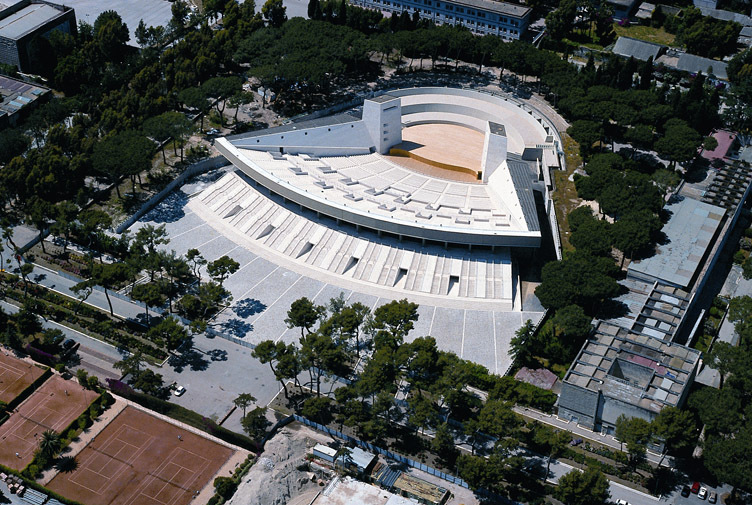

Nestled in the heart of Naples, the Arena Flegrea stands as a monumental testament to Italy's rich cultural history and architectural prowess. This iconic theater, the largest in Southern Italy, has weathered the storms of time, embodying the resilience and spirit of the Neapolitan people.
The origins of the Arena Flegrea date back to 1937, when architect Giulio De Luca crafted a vision for a "mass theatre for the masses," commissioned by the regime of Benito Mussolini. The aim was to create a grand venue that would serve as a cultural hub for the burgeoning population of Naples. Construction began in 1940, but the theater remained dormant for over a decade due to the ravages of World War II, which saw the Flegrea area subjected to bombings and closures. Finally, in 1952, the theater was inaugurated as the summer seat of the prestigious Teatro San Carlo, opening its doors with a stirring performance of Giuseppe Verdi's Aida.
Despite its promising beginnings, the Arena faced numerous challenges in the following decades. It suffered two devastating fires in the 1970s, followed by earthquakes and acts of vandalism that left it in disrepair. Ultimately, in 1989, the decision was made to demolish the structure entirely, paving the way for a new incarnation. The reconstruction began with the hope of unveiling a modern venue in time for the 1990 FIFA World Cup, but it would take nearly a decade for the new Arena Flegrea to be completed. Finally, on June 26, 2001, it reopened, boasting a design that honors its historical predecessor while embracing contemporary functionality.
Architecturally, the Arena Flegrea is a striking example of modernist design infused with a classical sensibility. Its sweeping curves and open-air structure create an inviting atmosphere for performances, allowing natural light to dance across the stage during daytime events. The seating arrangement is designed to ensure optimal acoustics, making it not just a visual spectacle but a delightful auditory experience as well. The Arena can accommodate over 4,000 spectators, establishing it as an ideal venue for both local and international artists.
In addition to its architectural significance, the Arena Flegrea plays a vital role in the local culture, hosting a variety of performances, from opera to contemporary music and even theatrical productions. Events like the Napoli Teatro Festival draw audiences from all over, celebrating the rich tapestry of Neapolitan art and tradition. The theater is not just a venue; it is a vibrant part of the community, nurturing the local arts scene and providing a platform for emerging talent.
When visiting the Arena Flegrea, one cannot overlook the delectable local gastronomy that Naples is famous for. The area surrounding the theater is dotted with charming eateries where one can savor authentic Neapolitan pizza, renowned for its thin and crispy crust topped with rich tomato sauce, creamy mozzarella, and fresh basil. Don't miss trying sfogliatella, a delightful pastry filled with ricotta, perfect as a sweet treat after a performance. Pair these culinary delights with a glass of Limoncello, a zesty lemon liqueur that captures the essence of the region.
For those seeking lesser-known curiosities, the Arena Flegrea is home to a few intriguing stories. One such tale involves the ghost of an opera singer who, according to local legend, haunts the theater, seeking to relive her final performance. Additionally, the venue has been used for various unconventional events, including open-air film screenings and dance performances, showcasing its versatility beyond traditional theater.
To make the most of your visit, the best time to explore the Arena Flegrea is during the summer months when its open-air setting is particularly inviting. Attending a performance during one of the local festivals offers an unparalleled cultural experience, allowing you to immerse yourself in the vibrant atmosphere that defines Naples. Be sure to arrive early to stroll around the surrounding Flegrean Fields, where ancient Roman ruins and spectacular views of the bay await.
In conclusion, the Arena Flegrea is more than just a theater; it is a cultural landmark steeped in history, artistry, and community spirit. For an enriching experience in Naples, consider using the Secret World app to craft a personalized itinerary that guides you through the city's hidden gems and vibrant traditions.


