
🎄 Win a month in Italy for two — €10,000 · The Secret Italy Prize GO →
Naples | Roman spa complex of Via Terracina — Napoli
← Back
Historical Sites 📍 Napoli, Italy 389 views

Naples | Roman spa complex of Via Terracina

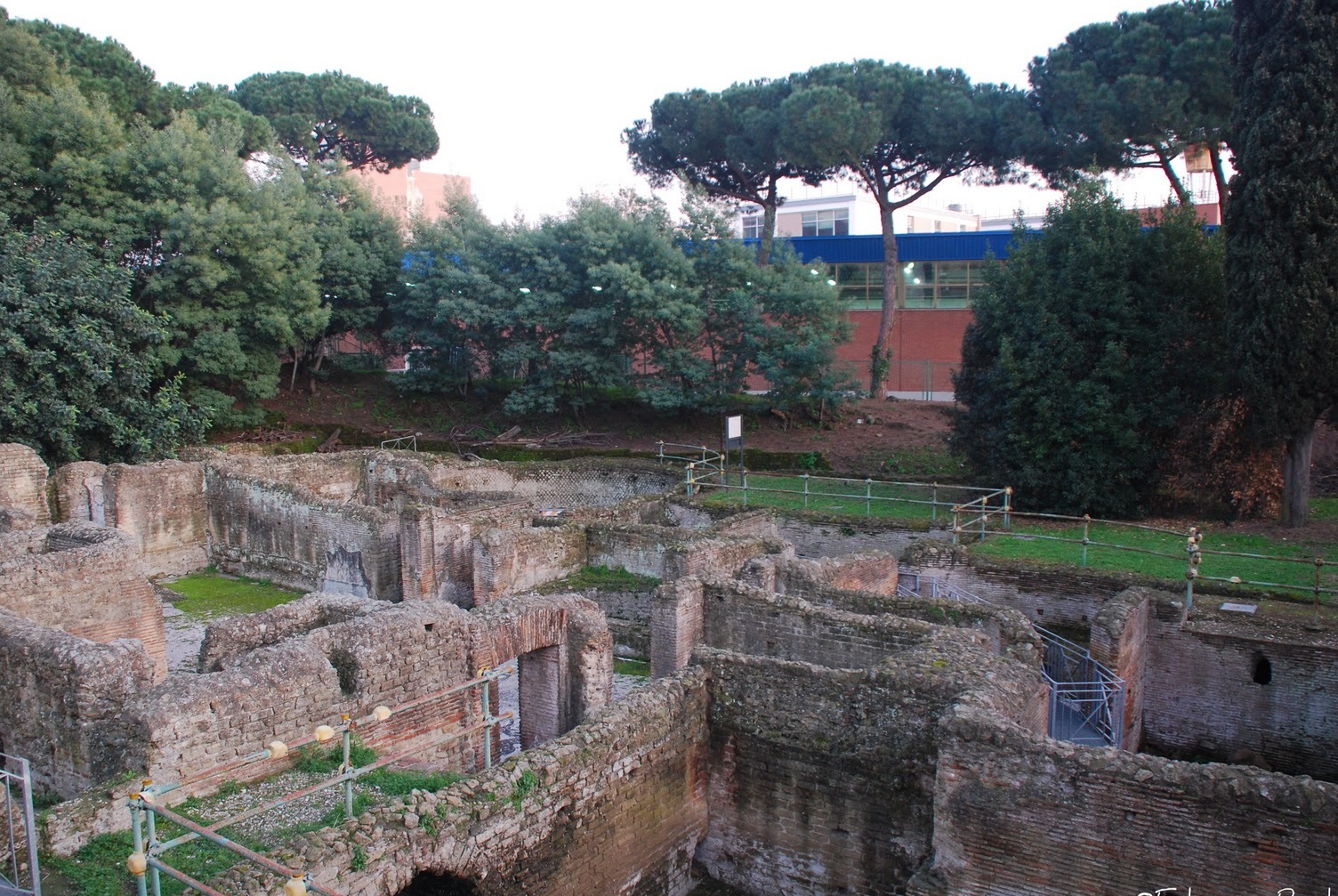
The spa complex of Via Terracina, brought to light in 1939 during the construction of the Mostra d'Oltremare, is located at the intersection of the ancient Via Puteolis-Neapolis and a secondary road. The building, articulated on several levels, fed by the Serino aqueduct and buil...

Photo · Lea M.

Naples | Roman spa complex of Via Terracina — Napoli, Italy.

Location
Napoli
Type
Historical Sites
Opening hours
Weather now
↗ Directions

About Naples | Roman spa complex of Via Terracina

Naples | Roman spa complex of Via Terracina - Napoli | Secret World Trip Planner

The spa complex of Via Terracina, brought to light in 1939 during the construction of the Mostra d'Oltremare, is located at the intersection of the ancient Via Puteolis-Neapolis and a secondary road. The building, articulated on several levels, fed by the Serino aqueduct and built mainly in opus vittatum and latericium, dates back in its original layout to the first half of the 2nd century A.D.; but over time it underwent many interventions that modified the organization of the spaces. Certainly later than the original nucleus are: the entrance corridor, in medieval times adapted to a cistern, some rooms perhaps identifiable as tabernae, and the latrine. The latter, preceded by a small hallway with a barrel vault and the remains of the ablution basin, was to have been covered by a semi-dome and had wall paintings, of which only a few traces remain today. The decoration of the floor is also poorly preserved, consisting of a mosaic of black and white tiles depicting two swimming dolphins and a fantastic sea animal. Lighting was provided by the five windows that opened in the semicircular wall. Along the perimeter of the hemicycle runs the water drainage channel, continuously supplied by the cistern through underground ducts, above which were the perforated stone or marble seats. Originally, the entrance to the spa building opened directly onto the vestibule, where the black and white mosaic depicting a Nereid seated on the tail of a young triton, surrounded by two cupids and dolphins, as well as traces of the skirting and the marble slab wall covering is preserved. A dressing room (apodyterion) was a room, which initially communicated with the vestibule through a walled entrance at a later stage. There were different routes that users could choose according to their preferences or therapeutic needs. The main one provided for various stops in four rooms heated to various temperatures, then the stay in the apsidal calidarium, with labrum for ablutions and the bathtub (alveus) for the hot bath, and finally the access through a passage room to the frigidarium with two tubs for cold baths and a floor mosaic with black figures on a white background depicting fantastic animals, ridden or followed by anthropomorphic figures and dolphins in the corners. The partial collapse of the floors and the fall of the wall coverings have laid bare the structural elements connected with the production of heat - the side ovens (praefurnia) with service compartments - and its diffusion - the cavities under the floors (hypocausta and suspensurae) and along the walls. These rooms, according to the scheme known by Vitruvius, are oriented south-west, so as to better exploit the heat and sunlight during the afternoon hours.

✦ Secret World · suggested day

A perfect day in Napoli

Start with Naples | Roman spa complex of Via Terracina, then continue with nearby places selected by Secret World.

  1. 01
    Morning
    Naples | Roman spa complex of Via Terracina
    📍 Napoli
    Start here
  2. 02
    Afternoon
    📍 0.6 km away
  3. 03
    Evening
    📍 1.4 km away

Collect this place

Turn places you discover into stamps in your Secret Passport.

Open Secret Passport →

Keep exploring · Napoli

Frequently Asked Questions

The spa complex was brought to light in 1939 during the construction of the Mostra d'Oltremare in Naples. The building was located at the intersection of the ancient Via Puteolis-Neapolis and a secondary road, revealing important insights into Roman bathing culture.
The original layout of the spa complex dates back to the first half of the 2nd century A.D., though it underwent many modifications over time that changed the organization of its spaces. Later additions included the entrance corridor, tabernae rooms, and the latrine facilities.
The vestibule preserves a black and white mosaic depicting a Nereid seated on the tail of a young triton, surrounded by two cupids and dolphins. The latrine also features a floor mosaic with black and white tiles showing two swimming dolphins and a fantastic sea animal, though both decorations are only partially preserved.
Users could choose different routes through the spa according to their preferences or therapeutic needs, with the main route offering various stops in four rooms heated to different temperatures, culminating in the apsidal calidarium with an ablution basin and bathtub. The complex was fed by the Serino aqueduct and featured sophisticated water drainage systems with a cistern supplying the facilities underground.
The latrine was preceded by a small hallway with a barrel vault and ablution basin, and was originally covered by a semi-dome with decorative wall paintings. Lighting came from five windows in the semicircular wall, with a water drainage channel continuously supplied by the cistern running along the perimeter, above which were perforated stone or marble seats.

Experiences nearby · Napoli

Powered by Viator

See more on Viator.com

Secret World Hidden places, real stories — plan your trip
Get the app
