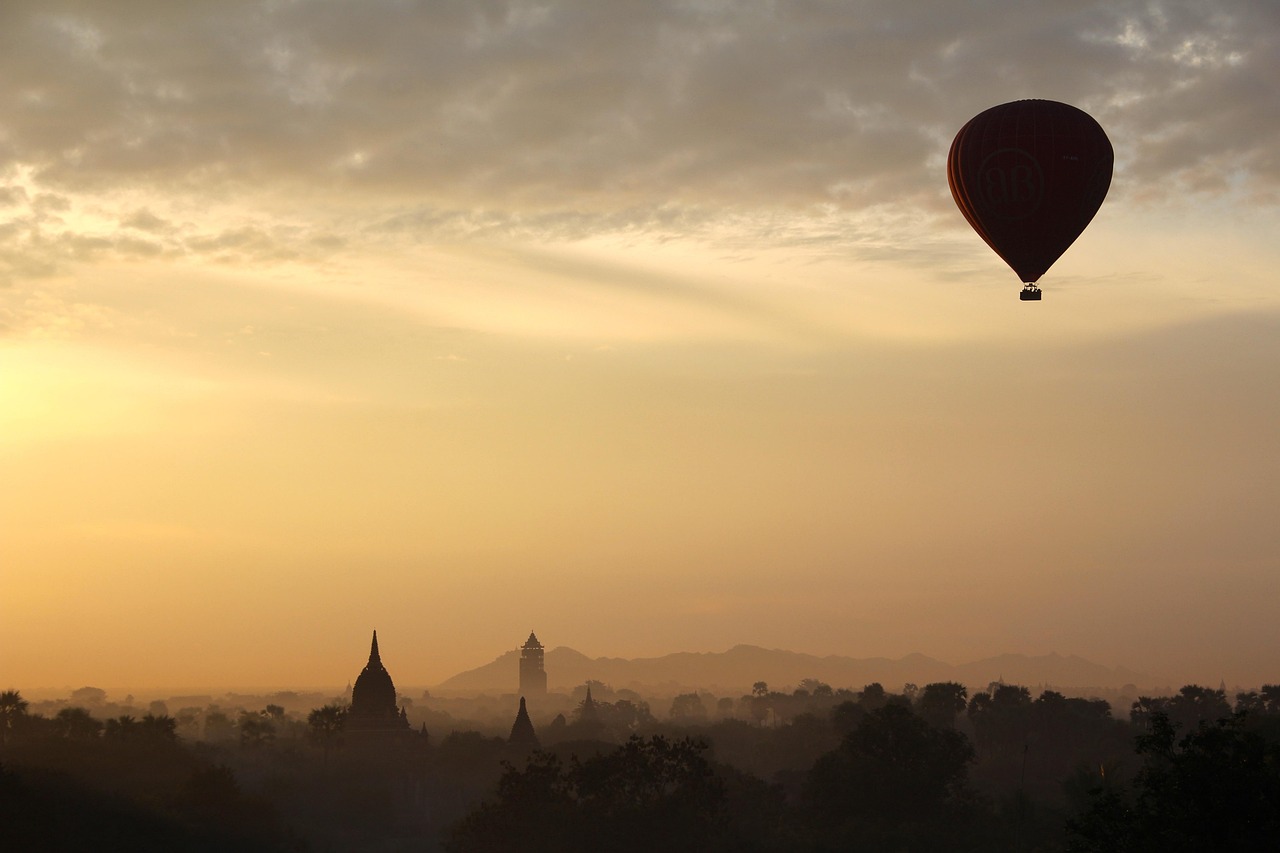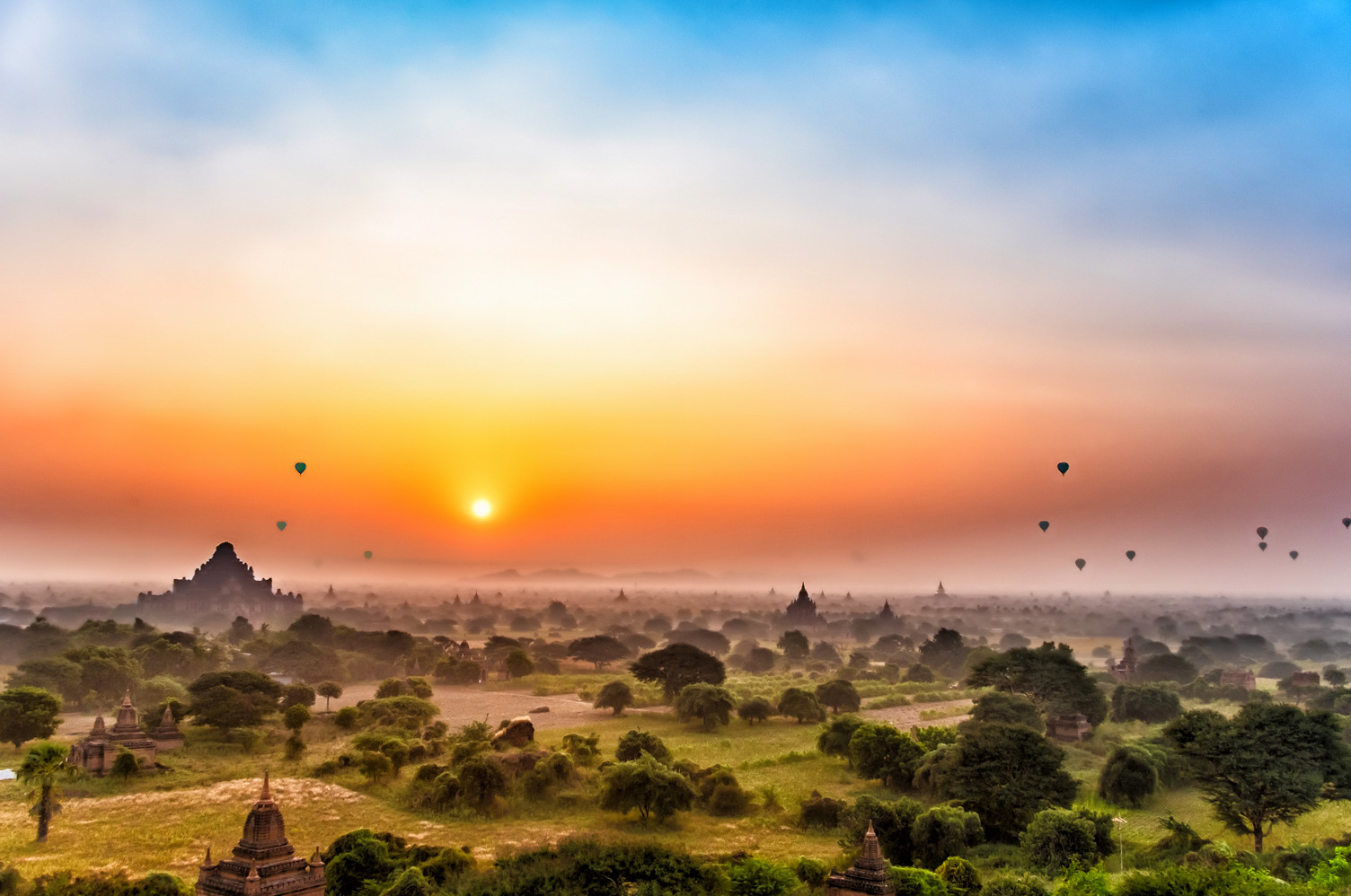

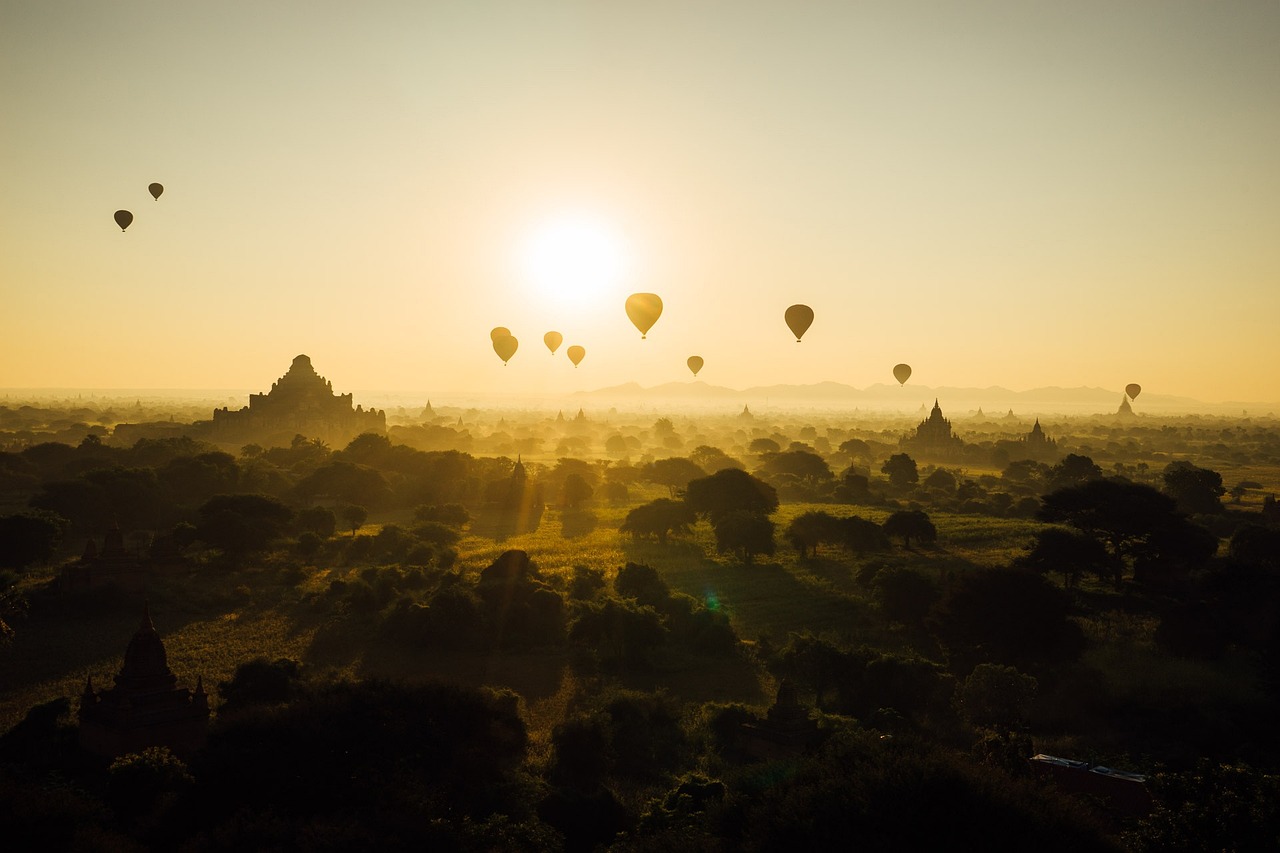
Nestled along the scenic plains of central Myanmar, Bagan is a mesmerizing tapestry of history, culture, and spirituality. Once the heart of the Pagan Empire, this ancient city captivates with its sprawling landscape of over 2,200 temples and pagodas, remnants of a glorious past that continues to intrigue historians and travelers alike.
### History and Origins The origins of Bagan are shrouded in mystery, with scholars debating whether it was founded in the 1st or 9th century. However, what remains undisputed is its ascension to prominence during the 11th century under King Anawrahta, who unified the region and established Theravada Buddhism as the state religion. This era sparked a golden age, where the city transformed into a significant religious and cultural hub, flourishing until the 13th century when Mongol invasions led to its decline.
### Art and Architecture Bagan's architectural grandeur is unrivaled, with each temple and pagoda offering a unique glimpse into the artistic ingenuity of the era. The Ananda Temple, known for its symmetrical design and golden spires, is a masterpiece of Mon architecture. Inside, you'll find stunning murals and four standing Buddhas, each facing a cardinal direction. The Dhammayangyi Temple, the largest in Bagan, is famed for its remarkable brickwork, so finely constructed that not a single blade of grass can slip between the bricks.
### Local Culture and Traditions Cultural traditions in Bagan are deeply intertwined with its religious heritage. The Thingyan Water Festival, akin to a New Year celebration, is a time of joyous water fights, symbolizing cleansing and renewal. Visitors can also witness the Taungbyone Nat Festival, where locals gather to honor the spirits known as Nats, blending animistic traditions with Buddhist practices.
### Gastronomy Bagan's culinary scene offers a delightful exploration of traditional Myanmar flavors. Mohinga, a savory fish soup with rice noodles, is a beloved breakfast staple. Laphet Thoke, a unique tea leaf salad, tantalizes with its combination of fermented tea leaves, nuts, and spices. Don't miss trying Htamin Jin, a fermented rice dish served with various accompaniments, showcasing the region's rich agricultural produce.
### Lesser-known Curiosities Beyond the popular temples, Bagan hides intriguing stories and lesser-known sites. The Gubyaukgyi Temple at Myinkaba is renowned for its well-preserved frescoes depicting the Jataka tales, providing insight into ancient storytelling traditions. Another hidden gem is the Mingalazedi Pagoda, famous for its panoramic views of the temple-studded landscape, often overlooked by tourists.
### Practical Visitor Information To experience Bagan at its best, visit during the cool, dry months from November to February. Early morning hot air balloon rides offer breathtaking aerial views of the temples, while the golden hour before sunset provides perfect lighting for photography. Renting an e-bike is a convenient way to explore the vast archaeological zone at your own pace, allowing for spontaneous discoveries.
In a place where history breathes through every brick and vista, let Secret World app help tailor your journey through the timeless wonders of Regno Pagan.