
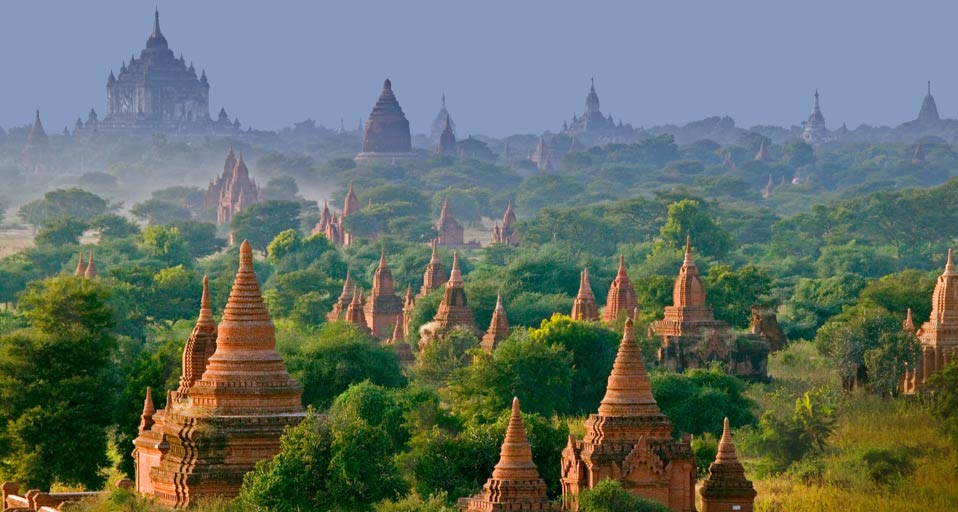

Nestled in the heart of Myanmar, Bagan is a mesmerizing ancient city that seems to transcend time itself. Once the epicenter of the mighty Kingdom of Pagan, this city flourished between the 9th and 13th centuries, when it was the cradle of Burmese culture and religion. At its peak, Bagan was home to over 10,000 Buddhist temples, pagodas, and monasteries. Today, around 2,200 of these sacred structures still stand, offering a hauntingly beautiful landscape that captivates the soul.
The founding of Bagan dates back to the mid-9th century, when King Anawrahta unified the region and established Theravada Buddhism as the dominant faith. His reign marked the beginning of a golden era for Bagan, as religious fervor led to the construction of thousands of temples. The city became a pilgrimage site and a beacon of learning, attracting scholars and artisans from across Asia. The decline of Bagan began in 1287, when it was invaded by the Mongols, but the city’s architectural legacy endured.
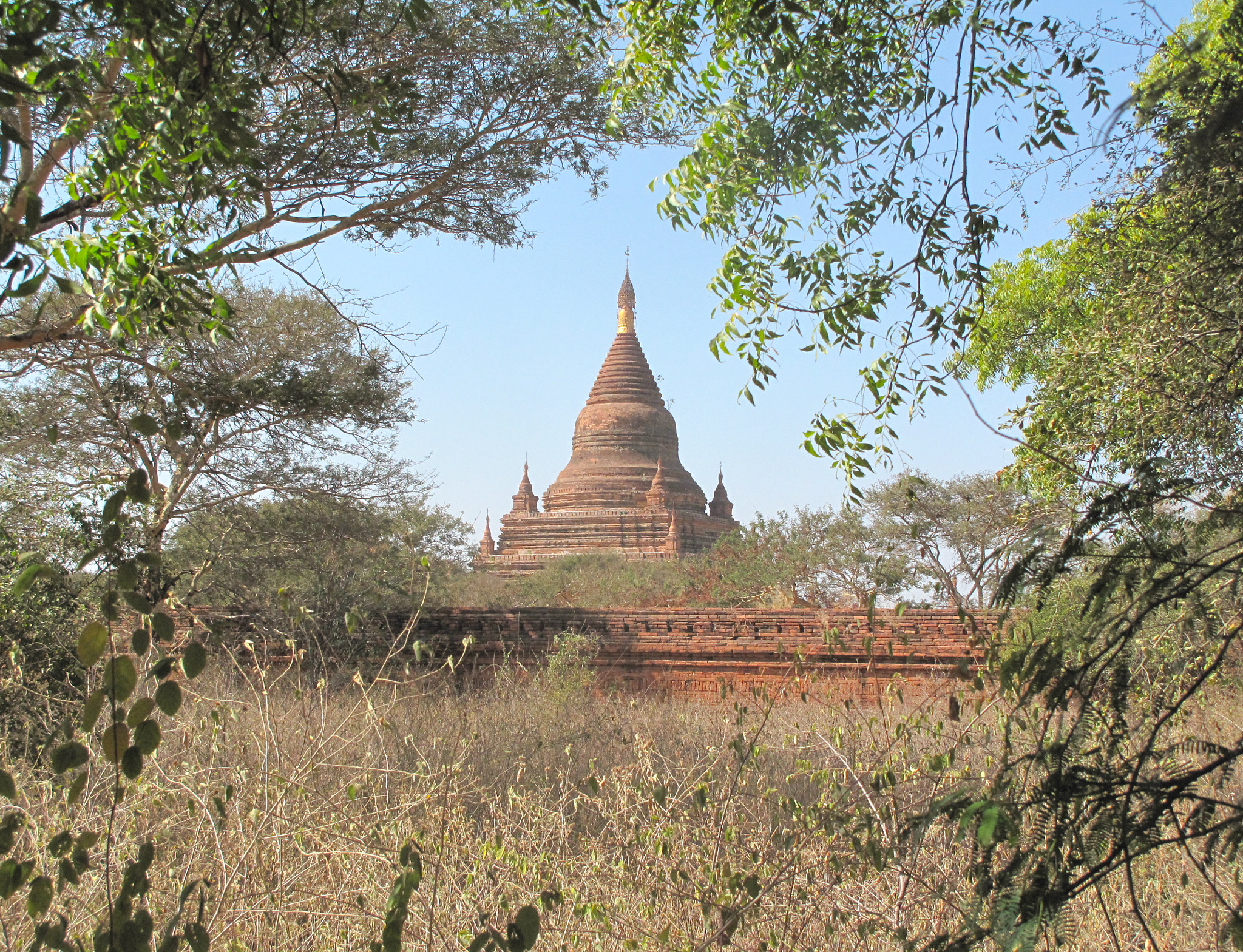
The art and architecture of Bagan are nothing short of extraordinary. The temples, such as the Ananda Temple and Shwezigon Pagoda, are masterpieces of design and engineering. Built with red brick and adorned with intricate stucco carvings, these structures reflect a fusion of Mon and Indian influences. The interiors are often decorated with vibrant frescoes and stone sculptures depicting Buddhist iconography. The Dhammayangyi Temple, known for its precise brickwork, is the largest temple in Bagan and showcases the city’s architectural prowess.
Bagan's cultural tapestry is vibrant and deeply rooted in its Buddhist heritage. The city hosts several traditional festivals that draw visitors from around the world. The Ananda Pagoda Festival, held in January, is a particularly significant event, where locals gather to celebrate with traditional music, dance, and a bustling market. During the festival, monks from nearby villages receive alms, and the air is filled with the scent of incense and the sound of prayer chants, creating a spiritual ambiance that is both serene and uplifting.
No visit to Bagan is complete without indulging in its rich gastronomy. The local cuisine is a delightful blend of flavors, featuring dishes like Mohinga—a savory fish noodle soup considered the national dish of Myanmar. Another must-try is Laphet Thoke, a unique fermented tea leaf salad that offers a tangy, earthy taste. Street vendors and local eateries serve these traditional dishes, allowing visitors to savor the authentic flavors of the region. Don’t forget to try the refreshing Tamarind Juice, a popular local drink that perfectly complements the spicy food.
Beyond the well-trodden paths lie lesser-known curiosities that add to Bagan's mystique. Few tourists know about the Thanakha, a natural cosmetic paste made from ground bark, which locals apply to their faces for cooling and sun protection. Additionally, the Nyaung U Market provides a glimpse into daily life, where vibrant stalls sell everything from handmade lacquerware to fresh produce, offering an authentic taste of local culture.
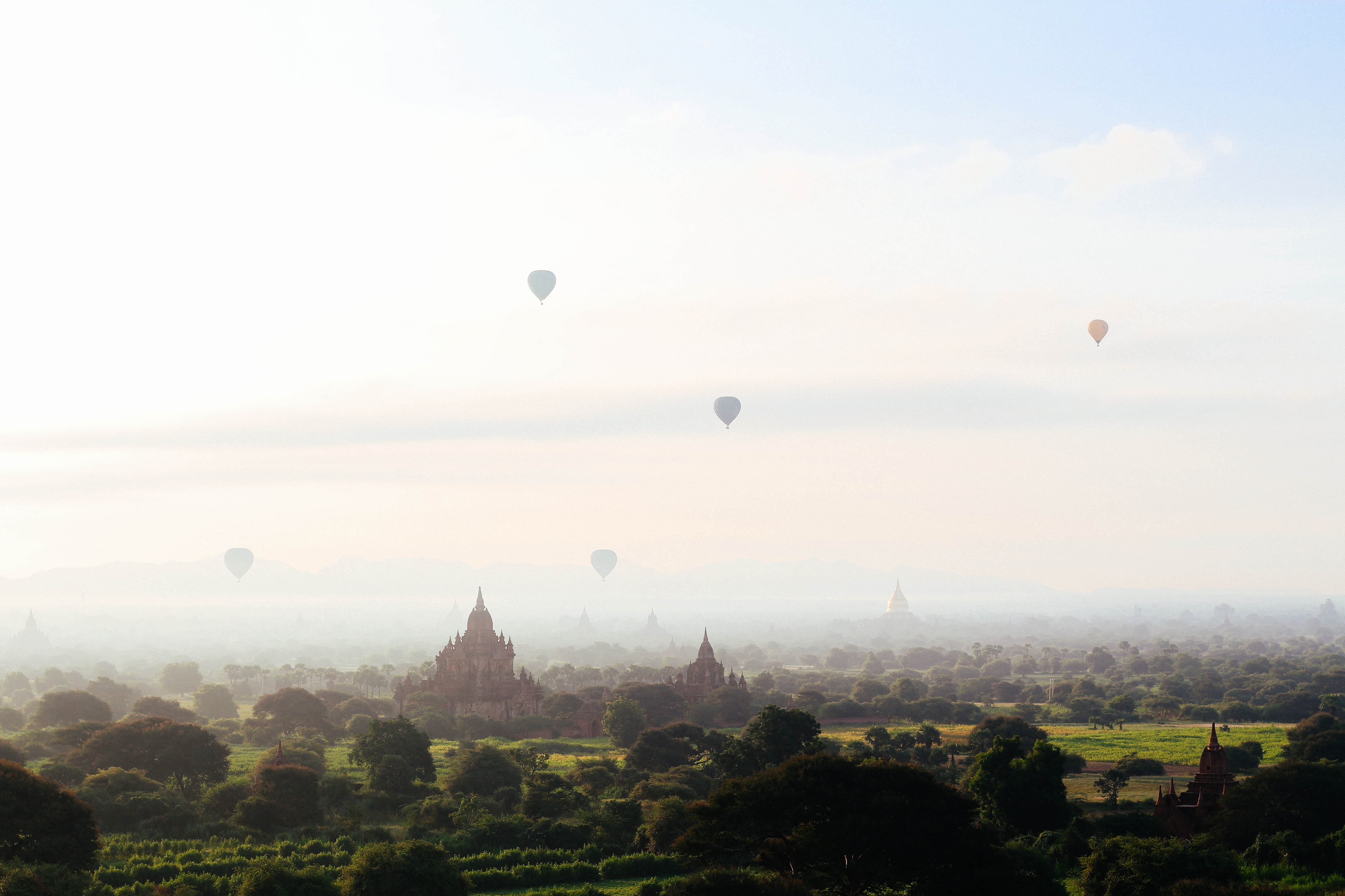
For those planning a visit, the best time to explore Bagan is between November and February, when the weather is cooler and more pleasant. The city's vast plains can be explored by bicycle, electric scooter, or even hot air balloon, offering stunning aerial views of the temple-studded landscape. Visitors should dress modestly, as many sites are active places of worship, and it's customary to remove shoes before entering temples.
As the sun sets over the Irrawaddy River, casting a golden glow over the ancient city, Bagan becomes a place where history, art, and spirituality converge, leaving an indelible mark on every traveler fortunate enough to witness its timeless beauty. Whether you're drawn by the allure of its storied past or the promise of its cultural riches, Bagan offers a journey that is as enlightening as it is unforgettable.


