
← Back

Bagni di Lucca, where roulette was born

55022 Bagni di Lucca LU, Italia ★★★★☆ 161 views
Marika Leone
Bagni di Lucca
🏆 AI Trip Planner 2026

Get the free app

Discover the best of Bagni di Lucca with Secret World — the AI trip planner with 1M+ destinations. Get personalized itineraries, hidden gems and local tips. Free on iOS & Android.

🧠 AI Itineraries 🎒 Trip Toolkit 🎮 KnowWhere Game 🎧 Audio Guides 📹 Videos
Download on the App Store Get it on Google Play
Scan to download Scan to download

About Bagni di Lucca, where roulette was born

Bagni di Lucca, where roulette was born - Bagni di Lucca | Secret World Trip Planner

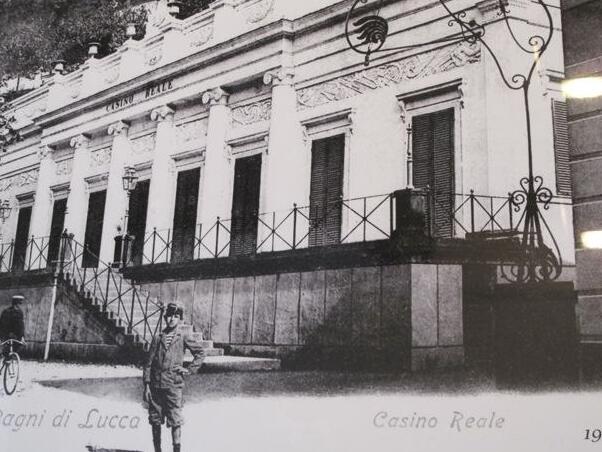
The town of Bagni di Lucca is located along the course of the Lima river, in a valley with little sun, and as soon as you get there you breathe an air of great decadence. One immediately notices beautiful palaces, villas and hotels, mostly abandoned: the contrast awakens curiosity, and in fact one soon discovers that the spa town was among the most important in Europe for many centuries. Bagni di Lucca has also contributed to the fact that the Republic of Lucca was not embroiled in any war, so much so that the various rulers of many eras were interested in being able to come and relax, cure themselves and have fun in this place. But although the various therapeutic properties of its thermal waters are excellent, the main reason for the success of Bagni di Lucca is due to the tolerance of gambling: here already in 1308, in the first administrative regulation of a spa resort, gambling was mentioned (ludus in therma). The ancestor of the "ruletta", later roulette, was invented here and was called "biribisso", and women were also allowed to play. The first casino was opened here: the city's decline coincided with the closure and abandonment of the gambling houses. During the glorious centuries of intense activity there were about 80 hotels, three casinos and seven thermal establishments; only two of these are still in activity, the others are abandoned, even if a couple have been recently restored. Visits are possible on request. The places are really fascinating between inscriptions, marble tubs, caves and vapours, as well as the various secrets that the volunteers of the historical group are happy to pass on.

🗺 AI Trip Planner

Plan your visit to Bagni di Lucca

Suggested itinerary near Bagni di Lucca, where roulette was born

MAJ+
500.000+ travelers worldwide
  1. 🌅
    Morning
    Bagni di Lucca, where roulette was born
    📍 Bagni di Lucca
  2. ☀️
    Afternoon
    Cascella and the Verrucola Castle
    📍 0 km · Bagni di Lucca
  3. 🌆
    Evening
    The Magdalene Bridge
    📍 4.2 km · Bagni di Lucca

Buy Unique Travel Experiences

Powered by Viator

See more on Viator.com

Explore nearby · Bagni di Lucca

Frequently Asked Questions

Bagni di Lucca is where the ancestor of modern roulette, called 'biribisso', was invented. The town's popularity was largely due to its tolerance of gambling, which was first mentioned in administrative regulations as early as 1308, making it a pioneering destination for gaming in Europe.
The town's decline directly coincided with the closure and abandonment of its gambling houses. At its peak, Bagni di Lucca boasted approximately 80 hotels, three casinos, and seven thermal establishments, but as gambling activities ceased, so did the city's prosperity.
Visitors can explore beautiful abandoned palaces, villas, and hotels that showcase the town's former grandeur. Two thermal establishments still operate, while a couple of others have been recently restored and offer guided visits on request, featuring fascinating details like inscriptions, marble tubs, caves, and thermal vapors.
Bagni di Lucca was so significant that it helped protect the Republic of Lucca from being embroiled in wars, as various rulers from different eras were interested in visiting the spa town to relax, cure themselves, and enjoy its attractions. This made it a valuable diplomatic asset for the region.
Yes, women were notably allowed to play at the gambling establishments in Bagni di Lucca, which was progressive and unusual for the time. This inclusivity was one of the factors that made the town exceptionally popular across Europe for many centuries.
