
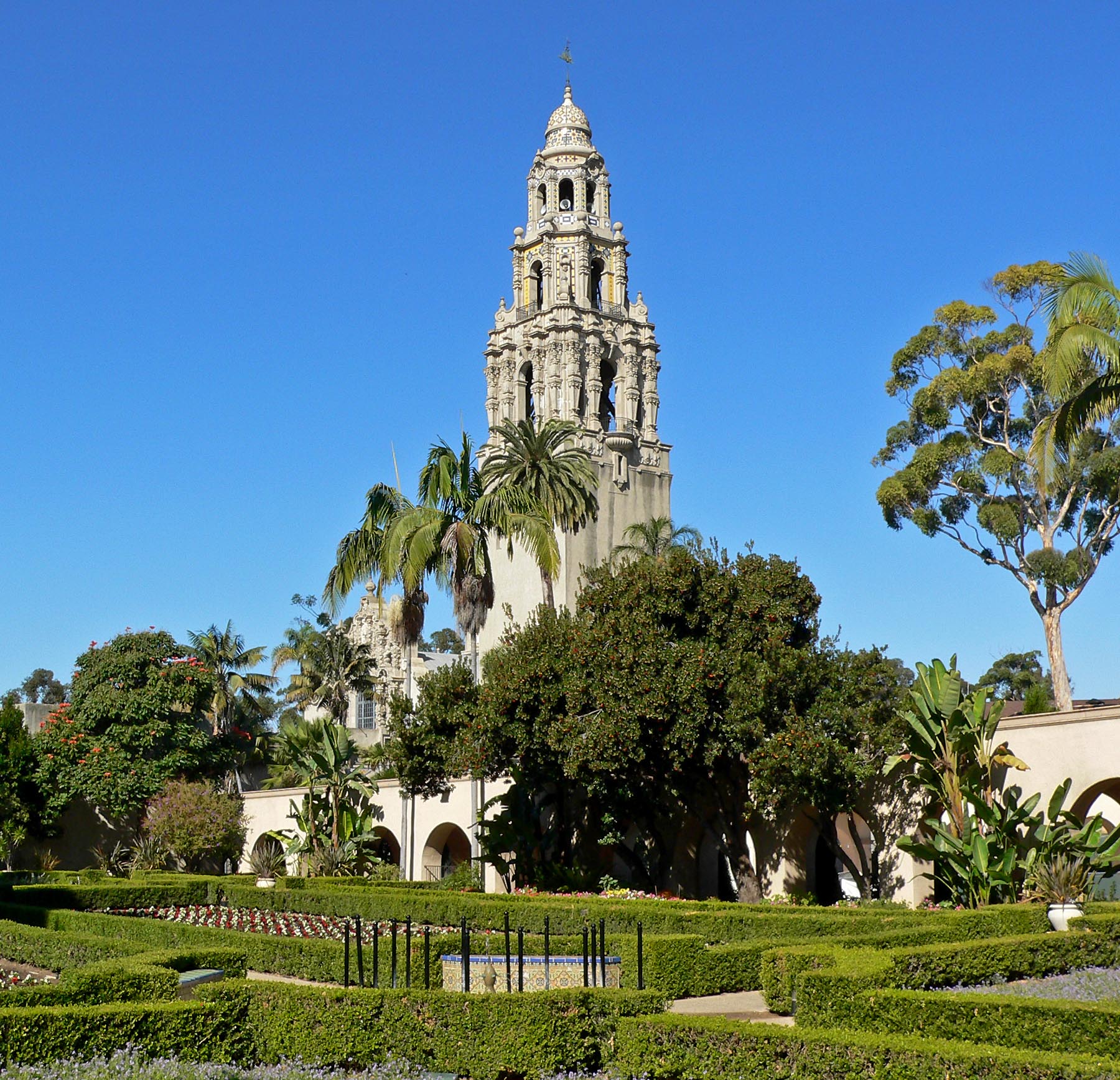

Nestled in the heart of San Diego, Balboa Park is a sprawling urban oasis that whispers stories of the past while embracing the vibrant pulse of modern-day culture. This 1,200-acre park is not just a sanctuary of natural beauty but a tapestry woven with rich history, architectural marvels, and cultural significance.
The history of Balboa Park dates back to 1835, when it was one of the first public parks in the United States to be set aside for public recreational use. However, its transformation into the cultural hub it is today began in earnest in 1915 with the Panama-California Exposition. This event marked the completion of the Panama Canal and celebrated San Diego's strategic importance as the first U.S. port of call. The exposition left a lasting architectural legacy, with many of the buildings designed in the Spanish Colonial Revival style, a nod to the region's Spanish heritage.
Walking through Balboa Park, visitors are enveloped by an array of stunning architectural styles. The Spanish Colonial Revival buildings, with their intricate facades and ornate details, are a standout feature. The California Tower and the Museum of Man are particularly noteworthy, offering a glimpse into the grandeur of early 20th-century design. Art lovers will delight in the Timken Museum of Art, which houses an impressive collection of European masterpieces, while the San Diego Museum of Art offers an eclectic mix of Asian, European, and American works.
Balboa Park is not just about what you see; it’s about what you feel. The park serves as the cultural heartbeat of San Diego, hosting numerous festivals and celebrations throughout the year. The December Nights festival is a beloved tradition, transforming the park into a winter wonderland with festive lights, music, and international cuisine. Visitors can also experience a slice of local culture at the WorldBeat Center, a multicultural arts organization that promotes peace through music, dance, and art.
The park’s culinary offerings are as diverse as its cultural events. While wandering through the park, indulge in local flavors at the Prado Restaurant, where California cuisine meets the vibrant spices of Mexico. Don't miss the chance to sip on craft beers from local San Diego breweries, known for their innovation and variety.
Beyond its well-trodden paths, Balboa Park holds a treasure trove of lesser-known curiosities. Few visitors know that the park is home to one of the largest outdoor pipe organs in the world, the Spreckels Organ Pavilion, where free concerts are held regularly. Another hidden gem is the Palm Canyon, a lush, secluded area that feels worlds away from the bustling city, offering a peaceful retreat among towering palm trees.
For those planning a visit, the best time to explore Balboa Park is during the spring or fall, when the weather is mild and the gardens are in full bloom. Arrive early to avoid crowds, and take advantage of the park’s free guided tours to gain deeper insights into its history and architecture. Keep an eye out for the Botanical Building, one of the largest lath structures in the world, which houses over 2,100 permanent plants.
Balboa Park is more than just a park; it’s a vibrant cultural landscape that invites exploration and reflection. Whether you're an art aficionado, a history enthusiast, or simply in search of a serene escape, Balboa Park offers a dynamic experience that celebrates the past while embracing the future — a true testament to San Diego's diverse spirit.


