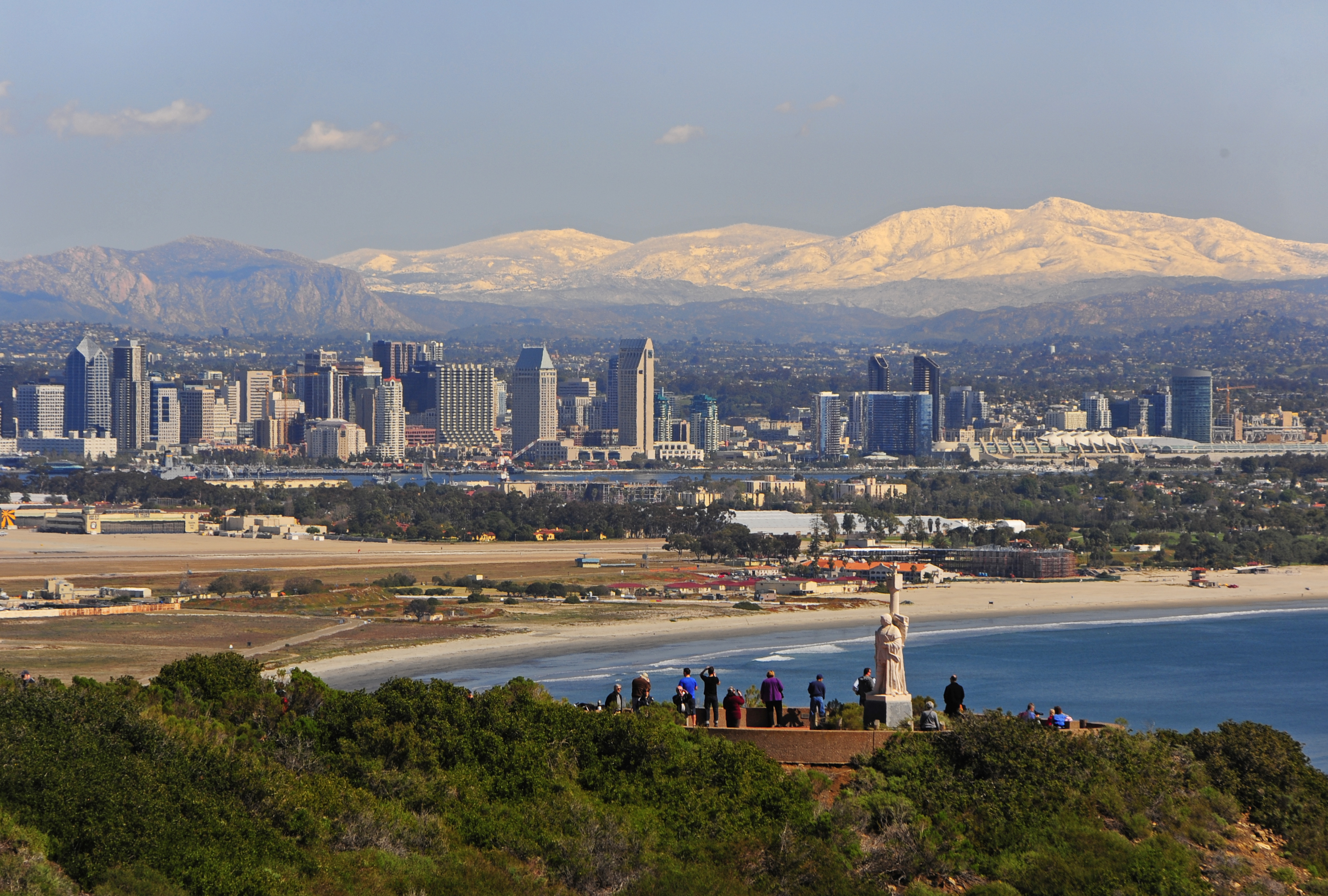

Perched on the stunning cliffs of Point Loma, Cabrillo National Monument offers a rich tapestry of history, culture, and natural beauty. This remarkable site commemorates Juan Rodriguez Cabrillo, the first European to set foot on the West Coast of the United States in 1542. His landing marked a significant moment in history, opening the door to exploration and colonization. Today, the monument serves as a reminder of this pivotal event and showcases the diverse elements of the area's cultural and natural heritage.
### History and Origins The history of Cabrillo National Monument extends beyond Cabrillo’s voyage. Long before Europeans arrived, the area was inhabited by the Kumeyaay people, who thrived on the coastal resources and maintained a deep connection to the land. Cabrillo’s expedition, commissioned by the Spanish crown, aimed to explore the coast of California and seek a passage to the riches of Asia. After Cabrillo's arrival, the region saw increased interest from European powers, leading to a complex history of colonization, conflict, and cultural exchange.
In 1913, the site was designated as a national monument, ensuring the preservation of Cabrillo's legacy and the natural beauty surrounding it. The Cabrillo National Monument was officially established to honor not just the explorer but also the indigenous peoples and the diverse ecosystems found in the area.
### Art and Architecture The monument's Visitor Center is a focal point of artistic and historical expression. Its architecture reflects the Mission Revival style, reminiscent of California's early missions, with terracotta tiles and adobe finishes that evoke the Spanish Colonial era. Inside, the exhibit hall features artifacts and multimedia presentations, including the film “In Search of Cabrillo,” which brings to life the explorer’s adventures and the historical context of his journey.
Additionally, the statue of Cabrillo, erected in 1949, stands as a striking monument at the edge of the cliffs, overlooking the Pacific Ocean. This statue serves not only as a tribute to Cabrillo but also as a panoramic viewpoint for visitors, providing breathtaking vistas of the coastline and San Diego Bay.
### Local Culture and Traditions Cultural traditions in and around Cabrillo National Monument reflect the blend of indigenous and colonial histories. The Kumeyaay people have maintained their traditions through storytelling, crafts, and cultural events. Visitors can often find local artisans showcasing their work, from traditional basket weaving to contemporary art inspired by the region's rich heritage.
Throughout the year, San Diego hosts various festivals celebrating its history and cultural diversity, including Dia de los Muertos and California Native American Day. These events often take place in the surrounding areas and provide insight into the customs and traditions that have shaped the region.
### Gastronomy The culinary scene near Cabrillo National Monument is vibrant and diverse, echoing the city’s multicultural influences. Seafood is a staple, reflecting San Diego's coastal location. Visitors should sample the local specialty, fish tacos, which blend fresh catch with traditional Mexican flavors. Barrio Logan is renowned for its artisan taco shops, where you can enjoy a modern twist on this classic dish.
For those looking for something sweet, churros and cajeta (a caramel-like sauce made from goat's milk) are popular treats found at local markets and food stands. Don’t forget to explore the nearby Liberty Station, a former naval training center transformed into a culinary hub, featuring a variety of eateries and food stalls.
### Lesser-Known Curiosities While many visitors come for the stunning views and historical significance, there are hidden gems worth exploring at Cabrillo National Monument. One such curiosity is the Old Point Loma Lighthouse, which operated from 1855 to 1891. It stands as a testament to the area’s maritime history and offers a glimpse into the lives of the lighthouse keepers who once navigated the treacherous waters.
Another surprising detail is the diverse marine life found in the tidal pools during low tide. This unique ecosystem is home to various species, including sea stars, anemones, and crabs, making it a perfect spot for nature enthusiasts to observe and learn.
### Practical Visitor Information The best time to visit Cabrillo National Monument is during the spring and fall months when the weather is mild, and the wildflowers are in bloom. It's advisable to arrive early in the day to secure parking and enjoy the tranquility of the park before the crowds arrive.
Don’t miss the walking trails that wind through the park, leading to breathtaking viewpoints and hidden corners of the landscape. Be sure to bring a camera, as the views of the San Diego skyline and the Pacific Ocean are unparalleled.
For a more enriching experience, consider joining one of the ranger-led programs that delve deeper into the monument's history and ecology.
In summary, Cabrillo National Monument is not just a place of historical significance; it is a vibrant fusion of culture, nature, and community. As you explore its trails and stories, you’ll find that every corner has something unique to offer.
To enhance your experience and discover more about San Diego, consider using the Secret World app to craft a personalized itinerary that suits your interests.
