


In the bustling heart of London, the Bank of England, affectionately known as the 'Old Lady', stands as a monument to the evolution of the UK's financial landscape. This grand establishment, located at Threadneedle Street, is not merely a bank; it is a living testament to the nation's economic history and resilience.
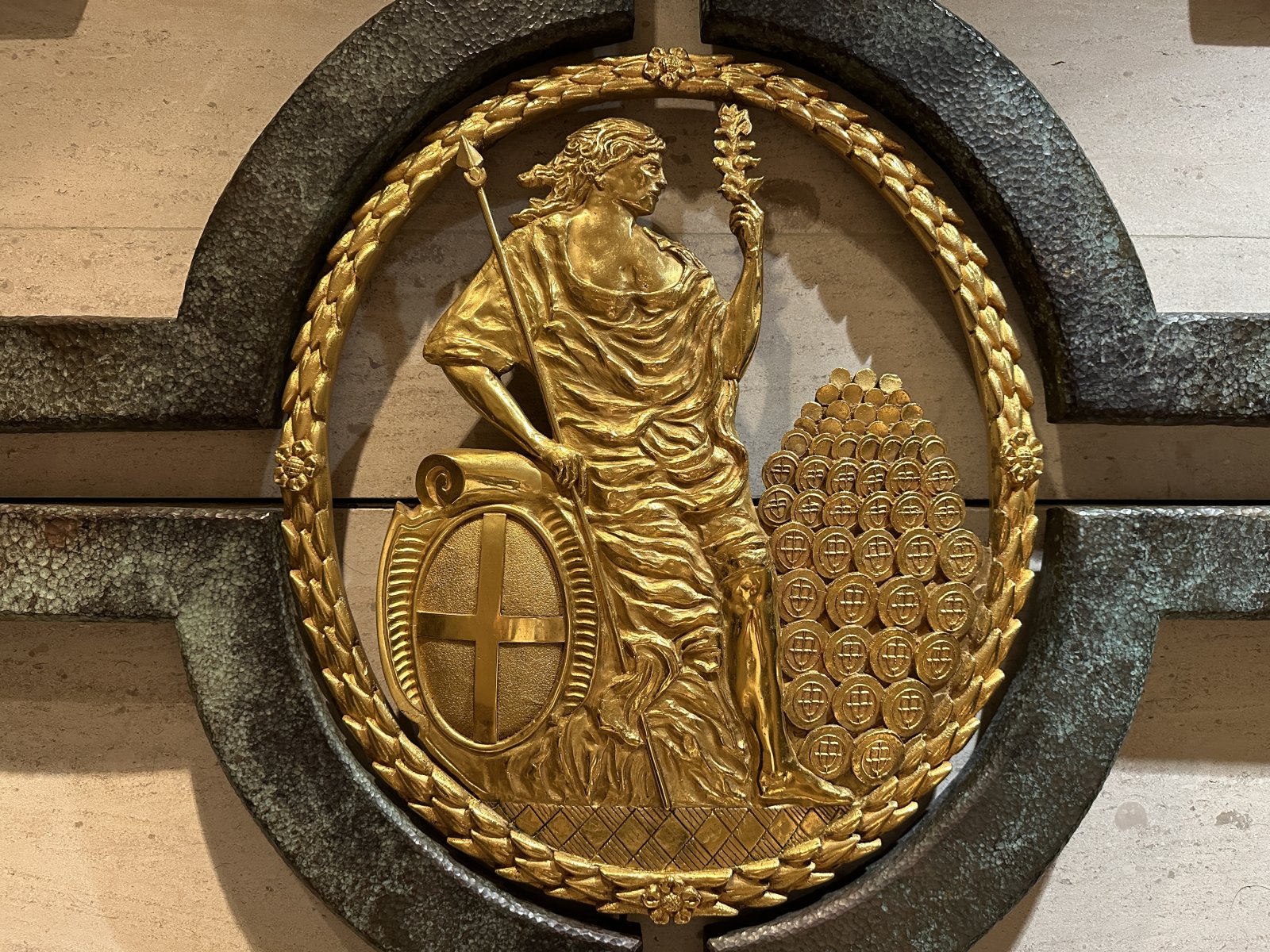
The origins of the Bank of England date back to 1694, a period marked by financial upheaval and the need for stable monetary systems. Founded by a group of merchants and financiers, including William Paterson, the bank was initially established to fund the government’s war efforts against France. The original intent was to provide loans in exchange for a monopoly on the issuance of banknotes in England. The bank's influence grew rapidly, and it became the government's banker, a role that has evolved over centuries into its current function as the central bank of the UK.
Throughout its storied history, the Bank of England has witnessed and weathered numerous significant events. The South Sea Bubble of 1720, the Napoleonic Wars, and the Great Depression all shaped its policies and operations. Its role expanded during the World Wars, when it managed national debt and currency stability. The bank's history is rich with tales of financial triumphs and tribulations, making its museum a treasure trove of stories waiting to be discovered.
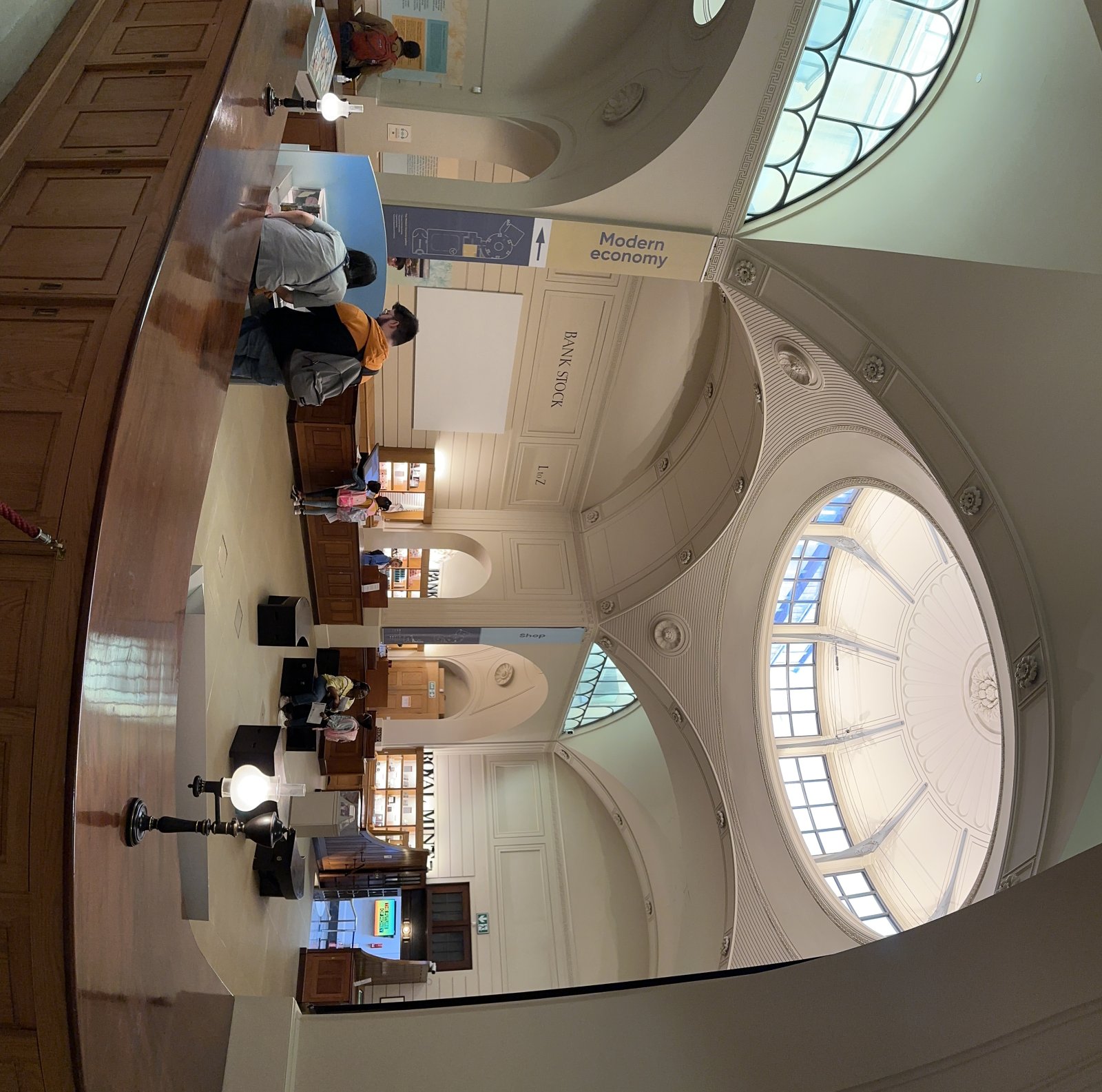
Architecturally, the Bank of England is an impressive blend of Neoclassical and modern styles. The building, designed by Sir John Soane in the early 19th century, features grand columns and a striking façade that exudes authority. Visitors are often drawn to the bank’s courtyard, adorned with sculptures and a notable statue of Sir John Soane himself. Inside, the Museum of the Bank of England showcases a remarkable collection of items, including banknotes, coins, and historical documents that reflect the evolution of currency and finance.
Art plays a significant role in the bank's identity. Within its walls, visitors can find not just financial artifacts but also works of art that capture the spirit of the time. The bank's collection includes paintings by renowned artists, such as J.M.W. Turner, whose works reflect both the beauty and the tumultuous nature of British commerce. The interplay of art and finance offers a unique perspective on the cultural significance of the institution.
The local culture surrounding the Bank of England is rich and vibrant. As a cornerstone of the City of London, it is surrounded by a mix of modern skyscrapers and historic architecture, symbolizing the harmony between tradition and innovation. The area is alive with local customs, including the annual Lord Mayor's Show, where the Lord Mayor of London parades through the streets, celebrating the city’s heritage and its financial prowess.
In terms of gastronomy, the bank’s vicinity offers a delightful array of culinary options. Traditional British fare can be enjoyed at nearby pubs, where one can savor a classic fish and chips paired with a pint of local ale. For a sweeter indulgence, the iconic Eton Mess—a dessert of crushed meringue, strawberries, and cream—offers a taste of quintessential British sweetness.
Beyond the well-trodden paths lies a world of lesser-known curiosities associated with the Bank of England. For instance, the bank has a unique tradition of engraving portraits of notable figures on its banknotes, which often leads to public debates about who should be honored next. Another hidden gem is the gold vault, located deep within the bank, which houses an astonishing £200 billion worth of gold bullion—a sight that remains largely unseen by the public but is vital to the UK’s financial security.
For those wishing to explore the Bank of England, the best time to visit is during the weekdays when the museum is open to the public. It is advisable to check for any special exhibitions or guided tours that delve deeper into the bank's history and operations. When visiting, be sure to spend time in the museum, where interactive displays and historical artifacts provide a fascinating insight into the world of finance.
In conclusion, the Bank of England is not just a hub of monetary policy; it is a cultural landmark steeped in history, art, and tradition. Its stories echo through the streets of London, inviting you to explore and discover the intricacies of the financial world. For a personalized itinerary to uncover more of what this magnificent city has to offer, consider using the Secret World app to plan your visit.


