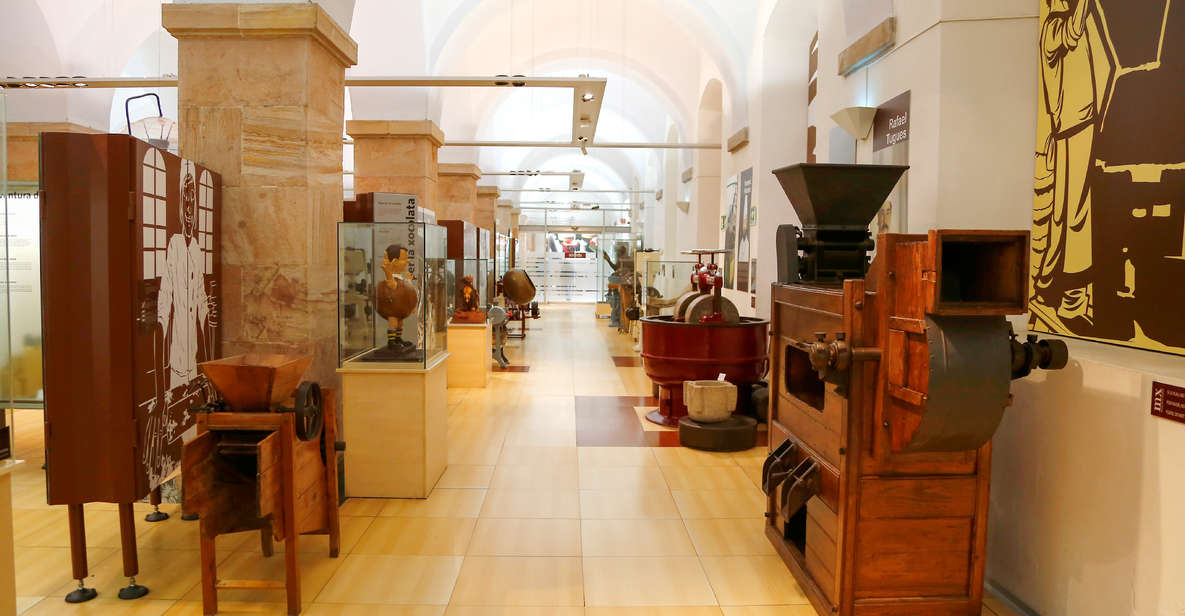

In the heart of Barcelona, the Chocolate Museum (*Museu de la Xocolata*) offers an enchanting exploration of chocolate’s fascinating history. Nestled within the walls of an old convent, this delightful museum is a treasure trove for those who wish to delve deeper into the world of chocolate—from its ancient origins to its modern-day manifestations.
### History and Origins The journey of chocolate begins over 3,000 years ago in Mesoamerica, where the ancient Maya and Aztec civilizations revered cacao beans as sacred. Used in religious rituals and consumed as a bitter beverage mixed with spices, chocolate was considered a divine gift from the gods. The Aztec emperor Montezuma II was said to have consumed vast quantities of chocolate to enhance his vitality and virility, believing it to be an aphrodisiac.
When chocolate made its way to Europe in the early 16th century, it underwent a remarkable transformation. The Spanish modified the bitter drink by adding sugar and spices, popularizing it among the aristocracy. By the 18th century, chocolate had become a fashionable beverage in European salons. The Chocolate Museum celebrates this rich history, highlighting how this once-elite drink evolved into the beloved treat we know today.
### Art and Architecture Housed in the Convent of Sant Agustí, a stunning Gothic building dating back to the 14th century, the Chocolate Museum is itself a work of art. The convent’s architecture features beautiful arches and vaulted ceilings that create a unique atmosphere, allowing visitors to feel the weight of history as they explore.
Inside, you will find exquisite chocolate sculptures, including life-sized figures crafted from chocolate that showcase the artistry of chocolatiers. From intricate depictions of famous landmarks in Barcelona to whimsical characters and scenes from history, these edible masterpieces highlight the creativity and skill involved in chocolate making.
### Local Culture and Traditions In Barcelona, chocolate is not just a dessert; it is woven into the fabric of local culture. The city celebrates its love for chocolate with the annual Festa de la Xocolata, typically held in February, where local chocolatiers showcase their best creations. Churros with chocolate is a beloved local treat, often enjoyed during breakfast or as a late-night snack. Visitors can indulge in this culinary delight at many local cafes, where fluffy churros are served alongside rich, thick hot chocolate.
### Gastronomy The museum offers a delightful glimpse into the local gastronomy associated with chocolate. Visitors can sample traditional Spanish hot chocolate, which is thicker and richer than its counterparts in other countries. The museum also hosts workshops where participants can create their own chocolate confections, providing a hands-on experience that is both educational and fun.
Don’t miss out on trying turrón, a traditional nougat made with almonds and chocolate, especially popular during the holiday season. Pair it with a glass of Spanish red wine or a sweet dessert wine like Pedro Ximénez for a truly indulgent experience.
### Lesser-known Curiosities While many tourists flock to Barcelona’s more iconic attractions like La Sagrada Familia or Park Güell, the Chocolate Museum offers a more intimate experience. One intriguing fact is that the museum houses a cacao tree, where visitors can see the fruit that produces the beloved chocolate. Additionally, the museum features a chocolate fountain—a favorite for children, who are often fascinated by its flowing streams of chocolate.
Another lesser-known aspect is the role that chocolate has played in local history. In the 19th century, the industrial revolution spurred the mass production of chocolate, making it accessible to all, not just the elite. This democratization transformed chocolate into a staple of everyday life in Barcelona, visible in the numerous chocolate shops that line the streets today.
### Practical Visitor Information To make the most of your visit to the Chocolate Museum, plan your trip during the off-peak seasons of late fall or winter, when crowds are smaller. The museum is conveniently located near Via Laietana, making it easy to combine your visit with a stroll through the Gothic Quarter.
Consider booking a guided tour to gain deeper insights into the exhibits and the history of chocolate. Don’t forget to visit the museum’s gift shop, where you can purchase artisanal chocolates and unique souvenirs to take home.
Whether you’re a chocolate aficionado or simply curious about this sweet treat’s history, the Chocolate Museum in Barcelona offers an unforgettable experience. It’s a delightful adventure that appeals to all ages, making it an ideal stop during your exploration of this vibrant city.
As you plan your visit to Barcelona, consider using the Secret World app to create a personalized itinerary that includes this hidden gem.