
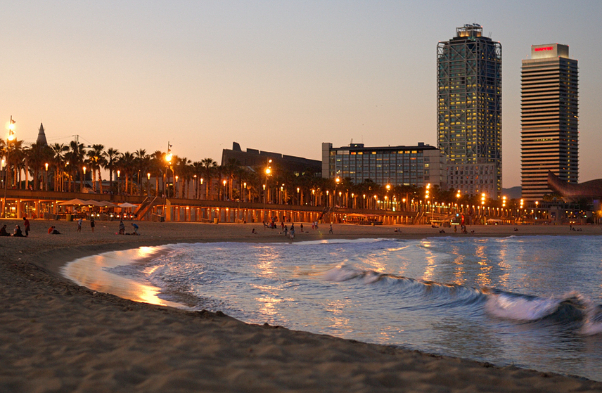

Nestled between the azure waters of the Mediterranean and the bustling city of Barcelona, La Barceloneta stands as a living testament to the city's maritime heritage. This traditional hamlet of pescadors and mariners feels like a time capsule, transporting visitors to a Barcelona that thrived on fishing and seafaring, far removed from the vibrant nightlife of the nearby Port Olímpic.
History and Origins
Founded in the early 18th century, La Barceloneta was originally designed as a neighborhood to house fishermen displaced by the construction of the Citadel during the reign of Philip V. The area was built on land reclaimed from the sea, and its layout—characterized by a grid of narrow streets—was intentional, aimed at fostering a tight-knit community. Over the years, this small village evolved into a key part of Barcelona's maritime economy, with its people relying on the bountiful Mediterranean for their livelihood.
The 19th century brought significant changes as industrialization swept through Spain. While many coastal communities faced decline, La Barceloneta remained resilient. Its fishermen adapted, and the neighborhood thrived, becoming a focal point for local fishing culture. Today, remnants of that rich history linger in the architectural styles and the enduring spirit of the community.
Art and Architecture
Strolling through La Barceloneta is a feast for the senses, where charming Mediterranean architecture meets the artistic spirit of the past. The neighborhood is known for its two-to-three-story buildings, adorned with colorful tiles and wrought-iron balconies. Many of these structures date back to the mid-1800s, and their simplicity reflects the utilitarian needs of fishermen and their families.
Among the notable sites is the Church of Sant Miquel del Port, built in the 18th century. This neoclassical gem features a stunning altar and serves as a centerpiece for community gatherings. Additionally, scattered throughout the neighborhood are striking murals and public art installations that celebrate the local culture, enhancing the vibrant streets with splashes of color and artistic flair.
Local Culture and Traditions
La Barceloneta is not just a neighborhood; it is a living tapestry of tradition and culture. The locals, known as barcelonins, take pride in their maritime heritage, celebrating it through festivals and customs. One of the most significant events is the Festa de Sant Miquel, held in late September. This festival features parades, music, and, of course, an abundance of seafood, reflecting the community's deep connection to the sea.
Additionally, the neighborhood is home to a unique tradition called “la xatonada,” which celebrates the popular local dish xató—a salad made with endive, cod, and a rich romesco sauce. This dish, along with other seafood specialties, is often shared during communal gatherings, emphasizing the importance of family and friendship in Barceloneta’s culture.
Gastronomy
No visit to La Barceloneta is complete without indulging in its culinary offerings. The area boasts a plethora of seafood restaurants that serve fresh catches daily. The menu del día often features local favorites such as paella, fideuà (a noodle version of paella), and grilled sardines, each dish infused with the flavors of the sea.
For an authentic experience, don’t miss the chance to try “esqueixada,” a refreshing salad made with shredded salt cod, tomatoes, onions, and olives, drizzled with olive oil. Pair your meal with a glass of “cava,” the region's sparkling wine, or a refreshing “vermouth,” a popular aperitif in local bars.
Lesser-known Curiosities
Among the hidden gems of La Barceloneta is the Mercat de la Barceloneta, a traditional market where locals shop for fresh produce, seafood, and artisanal goods. The market, less frequented by tourists, offers a glimpse into everyday life and the vibrant local culture.
Another intriguing aspect is the area’s unique blend of old-world charm and modernity. While many visitors flock to the popular beaches, the quieter sands of La Barceloneta provide a more authentic experience, allowing you to observe the locals playing beach volleyball or enjoying a leisurely swim.
Practical Visitor Information
The best time to visit La Barceloneta is during the spring and early autumn months, when the weather is pleasantly warm, and the beach is inviting without being overcrowded. Early mornings are particularly enchanting, as fishermen haul in their catches, and the scent of fresh bread wafts from local bakeries.
When wandering through the streets, take your time to explore the small squares and corners. Be sure to stop by Passeig Joan de Borbó, where you can find a variety of bars and restaurants, each with its own unique charm. Don’t shy away from engaging with the locals; their stories enhance the rich tapestry of this historic neighborhood.
With its blend of history, culture, and gastronomy, La Barceloneta offers a unique perspective on Barcelona’s maritime roots. For a personalized journey through this vibrant neighborhood, consider using the Secret World app to craft your ideal itinerary.


