
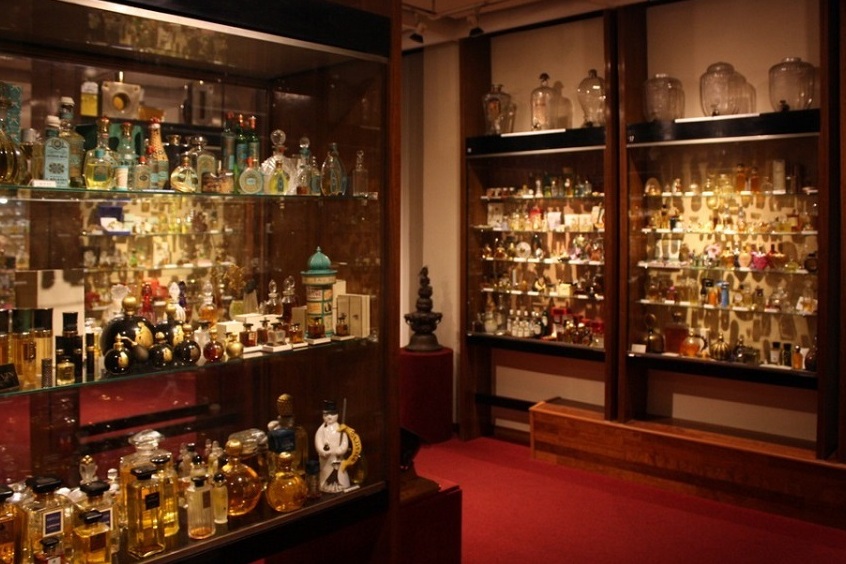

Nestled in the heart of Barcelona, the Perfume Museum offers an intoxicating glimpse into the history of scent, showcasing over 5,000 exquisite pieces that tell the story of fragrance through the ages.
Inaugurated in 1961, the Perfume Museum of Barcelona was born out of a passion for the art of perfumery, housed within the historic Regia Perfumería on Passeig de Gràcia. While the museum may not be as widely known as La Sagrada Família or Park Güell, it provides a unique experience that captures the evolution of perfume bottles from various cultures and epochs. Visitors may easily miss this hidden gem, but it’s worth seeking out by simply asking one of the perfumery’s friendly sales staff to guide you to the museum tucked away at the back of the shop.
Upon entering, you are greeted by a curated collection that includes over 5,000 objects—a delightful assortment of perfume bottles, labels, advertising materials, and historical catalogues. This intimate setting houses artifacts ranging from ancient Egyptian flasks to contemporary designer bottles, all meticulously organized to illustrate the changing tastes and styles in fragrance throughout history.
The museum's architecture reflects the elegance of its surroundings, with a cozy yet sophisticated atmosphere that invites contemplation. The design focuses on the display of the bottles themselves, allowing them to shine as true works of art. Notable pieces include intricately crafted bottles made of crystal, ceramics, and glass, each telling its own story about the culture and era from which it originated.
Local culture in Barcelona is deeply intertwined with sensory experiences, and perfume is no exception. In the city, scent holds significance not only in personal expression but also in the celebration of local festivals like Festa de Gràcia, where neighborhoods compete to create fantastical decorations, often fragrant with flowers and herbs. This festival, along with the Festa Major de Sants, showcases the community's dedication to beauty and creativity, much like the craftsmanship behind perfumery.
When exploring the culinary landscape of Barcelona, it’s hard to overlook the rich tapestry of flavors that parallels the art of fragrance. While at the Perfume Museum, consider indulging in local specialties such as pa amb tomàquet (bread with tomato), escalivada (roasted vegetables), and cava, the sparkling wine that adds a celebratory note to many gatherings. Each dish and drink can evoke a sense of place, much like a well-crafted perfume.
Among the lesser-known curiosities of the Perfume Museum is its focus on the cultural significance of scent. Many visitors might not realize that the museum also highlights how perfumes were used in ancient rituals and throughout history as symbols of power and status. For instance, royalty in ancient Egypt often wore specific scents during ceremonies, with fragrances made from rare ingredients that signified their divine nature.
As you wander through the compact yet rich space of the museum, take the time to read the stories behind the bottles. Some of them belonged to famous figures, including celebrities and artists who had their own unique olfactory signatures, further enriching the narrative of fragrance as an art form.
For those planning a visit, the best time to explore the Perfume Museum is during weekdays when there are fewer tourists, allowing for a more personal experience. Allocate at least an hour to fully appreciate the exhibits, and be sure to ask questions; the staff are knowledgeable and passionate about the history of scent and will gladly share interesting anecdotes.
In conclusion, the Perfume Museum in Barcelona is a fragrant treasure trove that encapsulates the artistry and history of scent, making it a must-see for anyone intrigued by the world of fragrance. As you leave, you may find yourself inspired to explore the city further through the lens of its sensory experiences.
Consider using the Secret World app to craft a personalized itinerary for your Barcelona adventure!


