
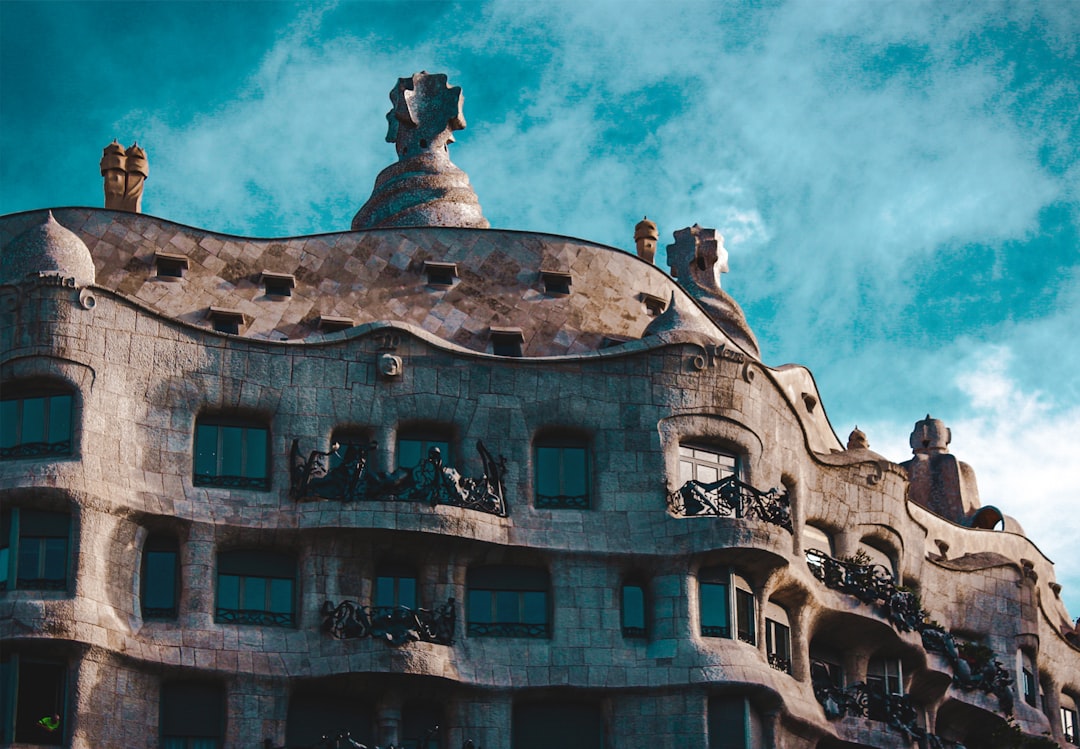

Casa Milà, also known as La Pedrera, is one of the most iconic works of architect Antoni Gaudí and represents an undisputed symbol of the city of Barcelona. Located in the heart of Catalonia, this extraordinary building was constructed between 1906 and 1912 and is now a UNESCO World Heritage site. Its wavy facade and wrought iron balconies make it an exceptional example of Catalan modernist style, attracting visitors from every corner of the world.
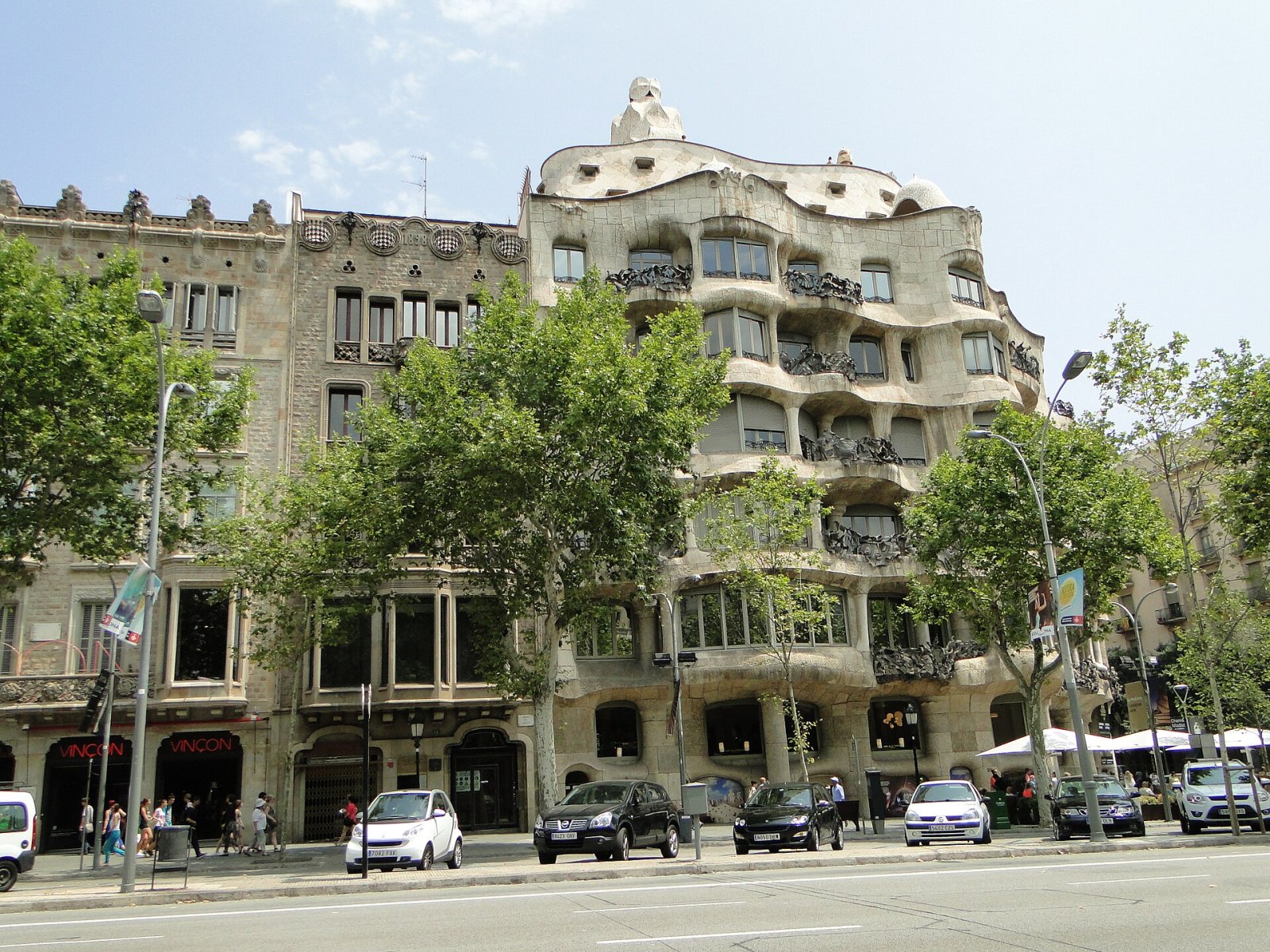
Barcelona, the second city of Spain, is a vibrant and dynamic cultural center, famous for its distinctive architecture, museums, and traditions. Casa Milà fits perfectly into this context, not only for its aesthetic beauty but also for its historical and cultural significance. Tourists venturing into this part of the city can immerse themselves in an experience that combines art, history, and innovation.
Historical and Cultural Context
Built for the Milà family, Casa Milà is an example of how Gaudí managed to integrate nature and architecture into a single harmony. Its design was influenced by natural forms and the surrounding landscapes, which distinguishes it from other architectural works of the time. Gaudí, considered one of the leading figures of Catalan modernism, transformed the architectural vision of his time, breaking with conventions and embracing innovation.
Casa Milà is also a reflection of Catalan society in the early 20th century, a period of great cultural and artistic ferment. The structure was conceived as a residence for the bourgeoisie of Barcelona, but it also played an important role in the social and cultural life of the city. Today, in addition to being an architectural marvel, Casa Milà hosts cultural events and exhibitions, keeping its history and impact on the community alive.
What Stands Out About the Place
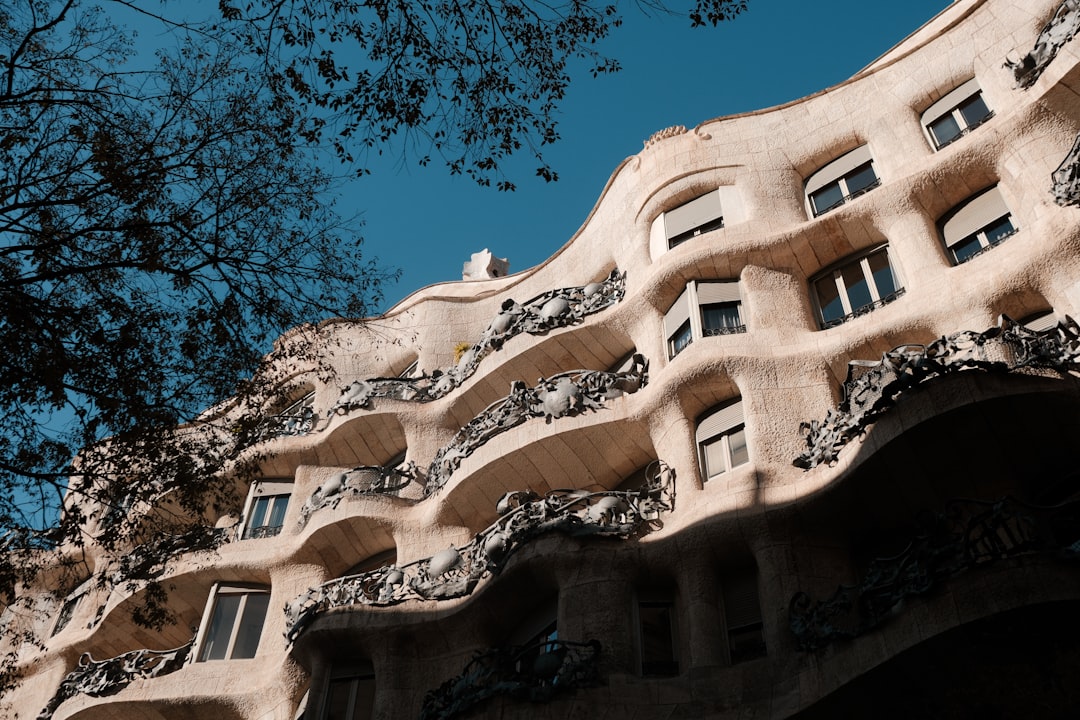
One of the most fascinating features of Casa Milà is its facade, made of limestone and characterized by wavy lines that evoke the movement of sea waves. The balconies, with their wrought iron railings, seem to float, creating an effect of lightness and fluidity. The structure has no right angles, an aspect that reflects Gaudí's genius and his ability to challenge architectural conventions.
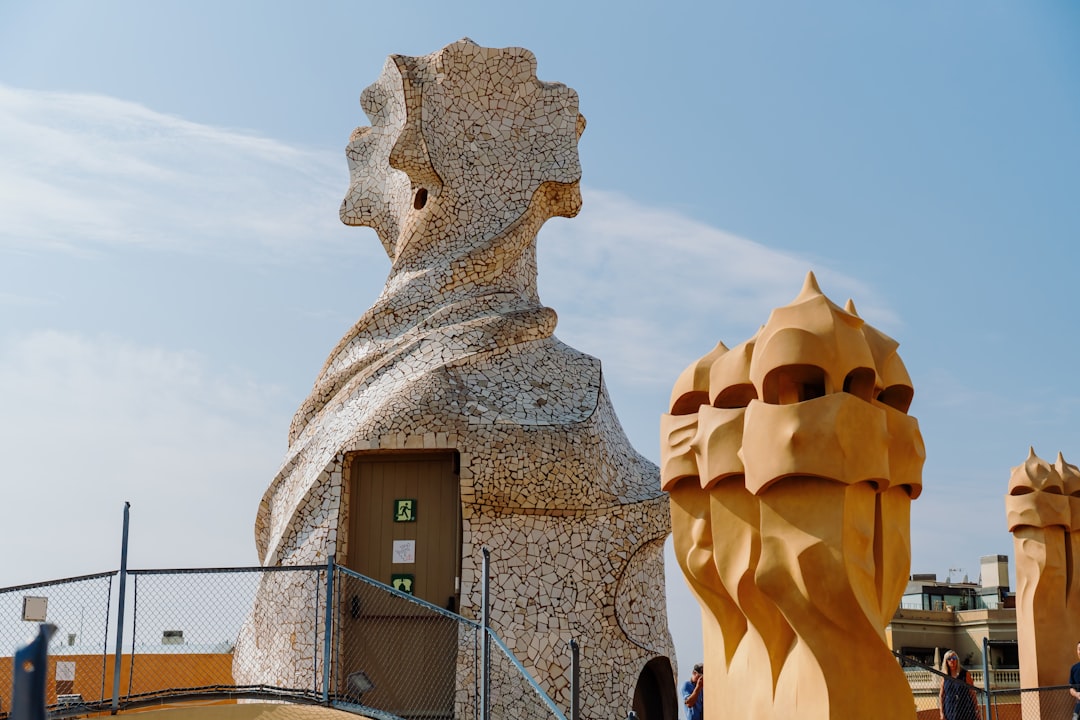
Inside, visitors can discover spacious and bright areas, decorated with artisanal details that reveal Gaudí's obsessive attention to detail. The central courtyard, with its plants and natural light filtering through, offers a refreshing pause from the vibrancy of the city. Additionally, the roof of Casa Milà, with its warrior-shaped sculptures, provides a spectacular panoramic view of Barcelona, making the visit an unforgettable experience.
Visiting Experience
Visiting Casa Milà is an experience that goes beyond simply observing a work of art. Guided tours offer the opportunity to delve into the history and techniques used by Gaudí, making each visit unique. Visitors can explore the original rooms, discovering how the inhabitants lived at the time, and admire temporary exhibitions celebrating contemporary art and culture.
The house is open year-round, and tickets can be purchased in advance to avoid long lines. It is advisable to visit during the week for a more tranquil experience. Furthermore, for those seeking an even more immersive experience, it is possible to participate in special events and concerts regularly held in its spaces.
Practical Information for Visitors
Casa Milà is located in the Eixample district, easily accessible by public transport. The nearest metro station is Diagonal, which is just a short walk from the entrance. Opening hours vary depending on the season, so it is advisable to check the official website before your visit. Don't forget to bring a camera, as every corner of this architectural wonder deserves to be captured.
In conclusion, Casa Milà La Pedrera is not just a monument to visit, but an experience to live. Its beauty and history make it an essential stop for anyone in Barcelona. To discover more details and tips about this and other wonders, you can explore the Secret World app.


