
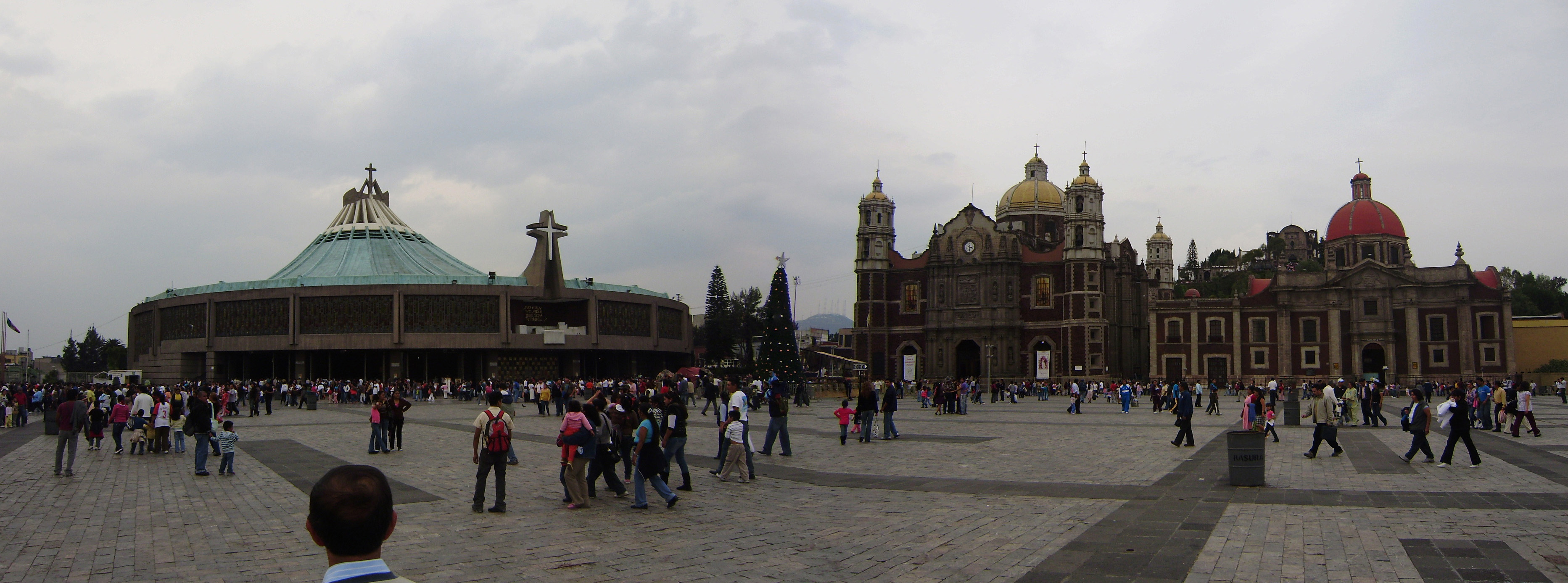

Nestled in the heart of Ciudad de México, the Basilica of Our Lady of Guadalupe is not only a religious sanctuary but a vibrant symbol of Mexican identity and faith. This sacred site is deeply rooted in both ancient history and colonial spirituality, attracting millions of pilgrims and visitors each year. Its history dates back to 1531, when Juan Diego, an Indigenous man, experienced a vision of the Virgin Mary on the hill of Tepeyac. This event is pivotal in Mexican history, marking the intertwining of Indigenous beliefs and Catholicism. The original basilica, completed in 1709, showcases the Baroque architectural style, characterized by intricate details and vibrant colors. The structure was built to house the famous image of Our Lady of Guadalupe, which is believed to be miraculous and holds significant spiritual importance for many. Over time, the original basilica faced structural issues, leading to the construction of a modern basilica designed by Pedro Ramírez Vázquez, which was inaugurated in 1976. This contemporary space, with its striking circular design and capacity to hold thousands of worshippers, stands in stark contrast to its predecessor, symbolizing a bridge between tradition and modernity.
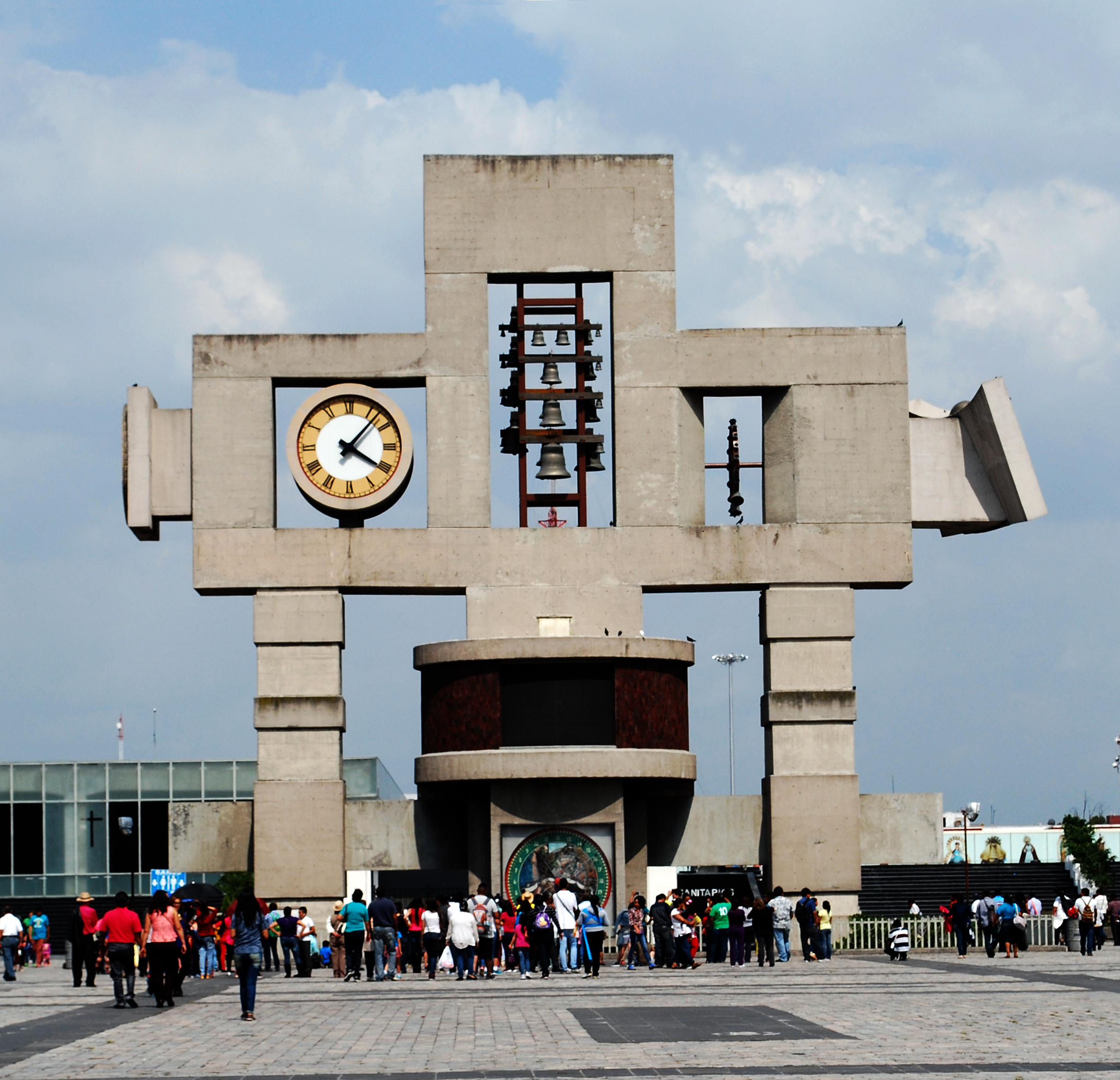
Artistic significance at the basilica is profound, as it houses various murals and sculptures that depict the life of Our Lady of Guadalupe. Notably, the main altar features a stunning backdrop of the Virgin's image, surrounded by vibrant floral decorations that reflect the rich traditions of the Mexican people. The use of gold leaf and the intricate craftsmanship in the basilica’s decorations speak to the reverence with which this site is regarded.
The local culture surrounding the basilica is vibrant and dynamic, with traditions that have evolved over centuries. One of the most significant events is the Feast of Our Lady of Guadalupe, celebrated on December 12 each year. This festival draws millions of pilgrims who walk long distances to pay homage to the Virgin, often dressed in traditional attire, carrying flowers, and singing hymns. The atmosphere is electric, filled with music, prayer, and a deep sense of community.

Culinary experiences near the basilica are equally rich, offering visitors a taste of authentic Mexican gastronomy. Street vendors and nearby restaurants serve traditional dishes such as tacos al pastor, tamales, and atole—a warm, sweet corn-based beverage that is especially popular during festive seasons. These local foods not only satisfy hunger but also connect visitors to the cultural fabric of the area.
For those eager to dig deeper, there are lesser-known curiosities that add to the basilica's allure. Did you know that the image of Our Lady of Guadalupe is one of the most reproduced images in the world? Additionally, the basilica is home to the Museum of the Basilica of Our Lady of Guadalupe, where you can learn about the history of the site, view artifacts, and understand the evolution of Mexican religious art. Another surprising detail is the tilt of the original basilica, which has been somewhat offset due to the sinking foundations—a reminder of the passage of time and the resilience of faith.
The best time to visit the Basilica of Our Lady of Guadalupe is during the early morning hours, especially around the feast day in December when the atmosphere is most vibrant. However, the basilica is also a peaceful retreat during weekdays, providing an opportunity for reflection away from the crowds. Visitors should look for the miraculous image of the Virgin, which is housed in a protective glass case, and take time to appreciate the intricate details of the surrounding artwork and architecture.
As you plan your visit to this iconic site, consider using the Secret World app to create a personalized AI itinerary, ensuring you experience the rich tapestry of culture and spirituality that Ciudad de México has to offer.


