
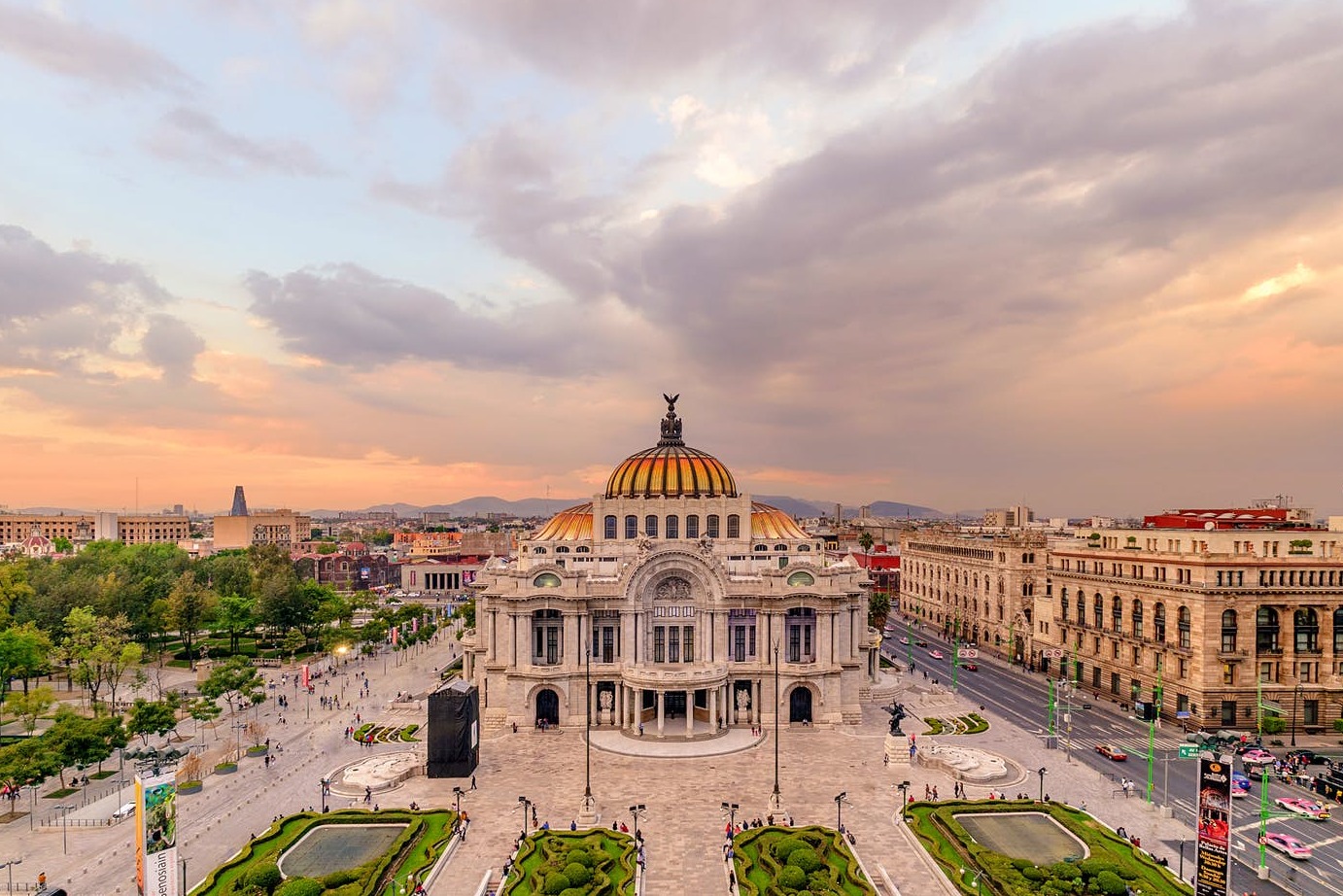

In the heart of Mexico City stands the majestic Palacio de Bellas Artes, a stunning testament to the grandeur of Mexican culture and a beacon for the arts. This architectural marvel, often regarded as the most important opera house and concert hall in Mexico, is a must-visit for anyone wanting to immerse themselves in the country's rich artistic heritage.
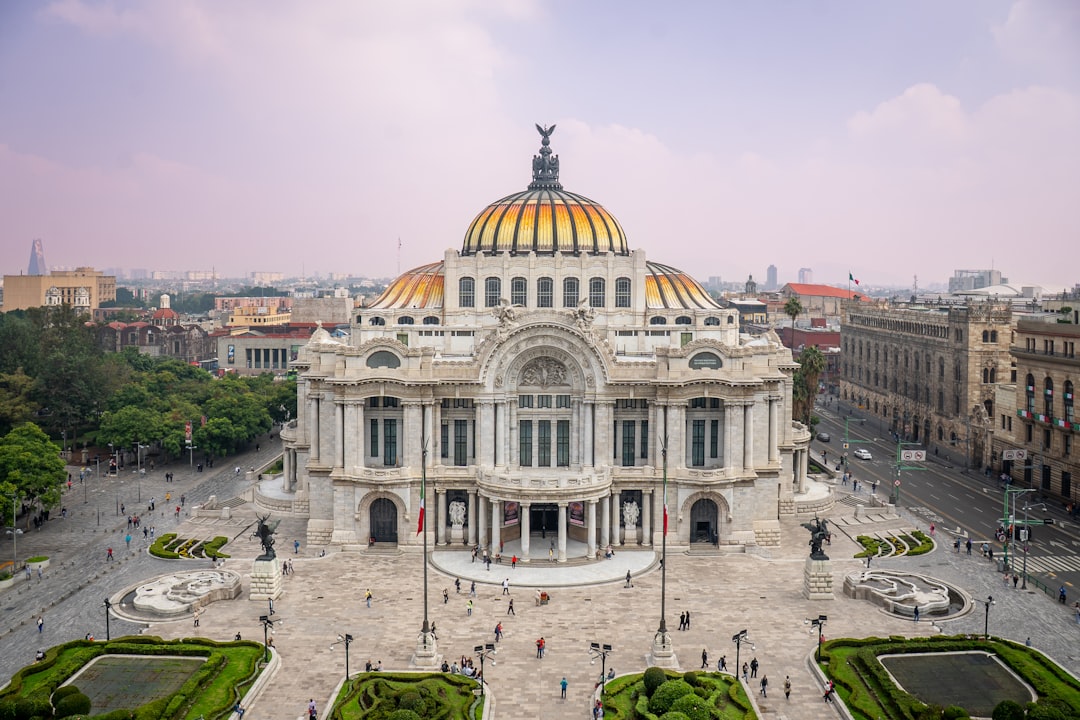
The history of the Palacio de Bellas Artes is as vibrant as the art it houses. The original idea for a national opera house emerged in the late 19th century, culminating in the establishment of the Mexican Academy of Music in 1884. Construction began in 1904 under the guidance of architect Adamo Boari, blending influences from Art Nouveau and Neoclassical styles. However, due to various delays and the Mexican Revolution, the palace wasn’t officially inaugurated until 1934. The building stands as a symbol of resilience, embodying the spirit of a nation that overcame adversity to celebrate its artistic talent.
The architectural brilliance of the Palacio de Bellas Artes is evident at first glance. Its striking white marble façade, adorned with intricate sculptures and a magnificent stained glass dome, is a sight to behold. The Grand Hall inside, with a capacity for 1,900 spectators, features a stunning proscenium arch that measures 24 meters in length. Here, the echoes of legendary performances by Maria Callas, Luciano Pavarotti, and Rudolf Nureyev still resonate. The walls of the palace are adorned with murals by iconic Mexican artists such as José Clemente Orozco, Diego Rivera, and David Alfaro Siqueiros, each contributing to the rich tapestry of Mexican art history.
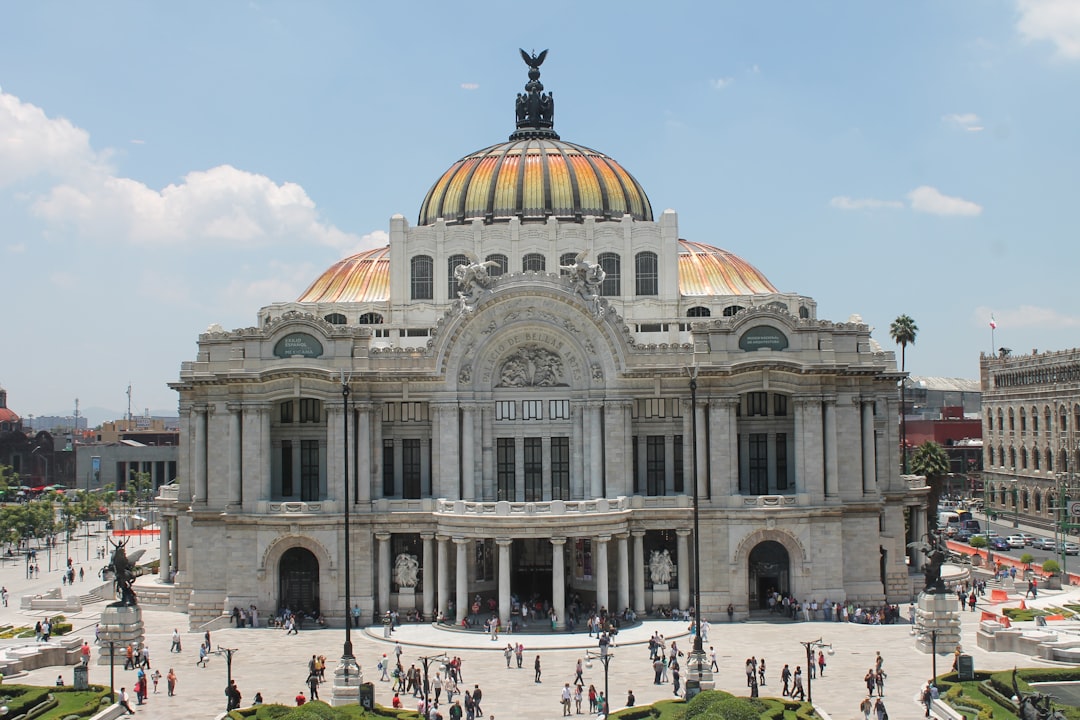
The Palacio de Bellas Artes is not just an architectural gem; it is also a vital hub for local culture and traditions. The palace plays host to numerous cultural events and festivals that reflect the diverse tapestry of Mexican life. One such event is the Festival Internacional de Cine de la Ciudad de México, which showcases emerging filmmakers and celebrates the art of cinema. Additionally, every year, the palace celebrates the Día de los Muertos (Day of the Dead) with special performances, honoring this deeply rooted tradition that combines reverence for ancestors with vibrant festivities.
Gastronomy in Mexico City is a feast for the senses, and the area surrounding the Palacio de Bellas Artes is no exception. Visitors can indulge in traditional dishes that echo the city’s culinary heritage. Try the iconic tacos al pastor, marinated pork served with fresh pineapple, or savor the rich flavors of mole poblano, a complex sauce made from chocolate, spices, and chilies. To wash it down, consider enjoying a refreshing glass of horchata, a sweet rice-based drink, or a classic tequila cocktail. The vibrant food scene is as much a part of the cultural experience as the art itself.
For those exploring the Palacio de Bellas Artes, there are countless lesser-known curiosities that add depth to your visit. For example, did you know that the palace’s dome is made of colored glass and is one of the largest of its kind in the world? Or that the building’s acoustics are so finely tuned that even a whisper can be heard throughout the Grand Hall? Additionally, the National Museum of Architecture housed within the palace offers an insightful look at the evolution of architectural design in Mexico, showcasing artifacts and exhibitions that might otherwise go unnoticed.
When planning your visit, timing can enhance your experience. The best time to visit Palacio de Bellas Artes is during the late afternoon when the sunlight bathes the façade in golden hues. It’s advisable to check the schedule for performances, as attending a show can provide an unforgettable experience. Be sure to explore the surrounding area, where local artisans sell crafts and street vendors offer delicious snacks, creating a lively atmosphere.
To make the most of your visit, consider taking a guided tour that dives deeper into the history and significance of the palace. Don’t forget your camera, as the stunning architecture and vibrant surroundings are perfect for capturing memories.
The Palacio de Bellas Artes stands not just as a monument to the fine arts, but as a living, breathing hub of Mexican culture. Whether you are an art aficionado, a history buff, or simply a curious traveler, the palace offers something for everyone.
To craft your perfect itinerary when visiting Ciudad de México, consider using the Secret World app for personalized recommendations.


