
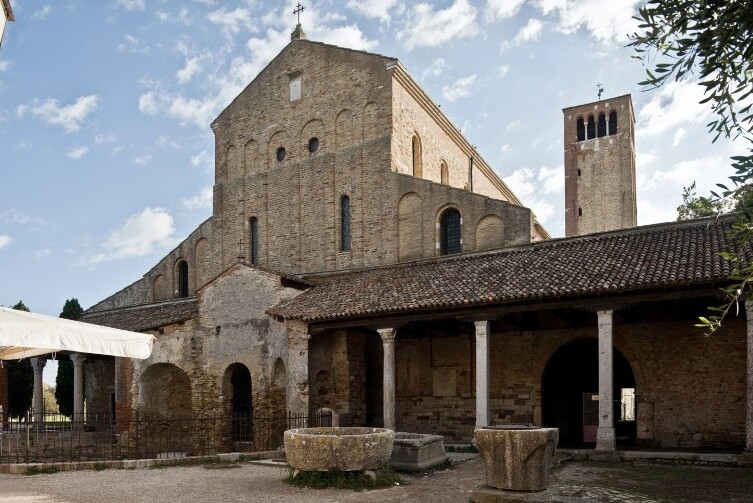

Nestled on the tranquil island of Torcello, the Basilica di Santa Maria Assunta stands as a testament to the rich history and artistic heritage of Venice. Founded in 639 AD, this sacred site is one of the oldest churches in the Venetian lagoon, reflecting centuries of devotion and architectural evolution. Originally built to serve the island's thriving population—largely due to its strategic location along trade routes—the church underwent various renovations over the centuries, yet the core structure we see today dates back to 1008 AD.
The Basilica is renowned for its breathtaking mosaic floor, dating back to the ninth century. As visitors step inside, they are greeted by a stunning array of intricate designs that tell stories of biblical significance and local lore. The wooden crucifix, an evocative relic, hangs above the altar, while the pulpit, crafted in Byzantine style, showcases materials salvaged from the ruins of Altino, a nearby town that once thrived before its decline.
The crowning glory of the Basilica is undoubtedly the impressive mosaics adorning the back wall, depicting the Apotheosis of Christ and the Last Judgement. These artworks, attributed to the Veneto-Byzantine school of the twelfth and thirteenth centuries, echo the grandeur of contemporary mosaics found in San Marco. The use of rich colors and intricate detailing invites contemplation, making the Basilica not just a religious site but a canvas of artistic brilliance.
Local culture and traditions flourish on Torcello, where the pace of life is a gentle reminder of its storied past. The island celebrates its heritage with annual events such as the Feast of the Assumption in mid-August, honoring the patron of the Basilica. Locals and visitors alike participate in this joyful occasion, marked by vibrant processions and communal feasting. The traditions of Torcello, including the art of lace-making, continue to thrive, offering a glimpse into the island's artisanal history.
No visit to Torcello would be complete without indulging in the local gastronomy. The island's culinary offerings include risotto al nero di seppia (cuttlefish risotto), a dish that reflects the local seafood bounty. Pairing this with a glass of Prosecco, produced from the nearby vineyards, enhances the dining experience. For dessert, try the buranelli, traditional Venetian cookies that are perfect for savoring with a cup of coffee.
While the Basilica itself is a highlight, Torcello is full of lesser-known curiosities that can enrich your visit. For instance, the nearby Devil’s Bridge, or Ponte del Diavolo, has a folklore tale associated with it; locals believe it was built by the devil himself. This unusual legend adds a layer of intrigue to the landscape, encouraging exploration beyond the Basilica.
The best time to visit the Basilica di Torcello is during the spring and early autumn months, when the weather is pleasant and the island is less crowded. Early mornings or late afternoons provide a more serene atmosphere, allowing visitors to fully appreciate the quiet beauty of the church and its surroundings.
When planning your visit, consider taking a guided tour to delve deeper into the history and artistry of the Basilica. Pay particular attention to the stunning mosaics and the intricate craftsmanship of the pulpit, as these details often captivate those who take the time to observe.
In this slice of Venetian history, the Basilica di Torcello invites you to step back in time and experience the spiritual and artistic legacy of the Venetian lagoon. To enhance your journey through Venezia, consider using the Secret World app to create a personalized AI itinerary.


