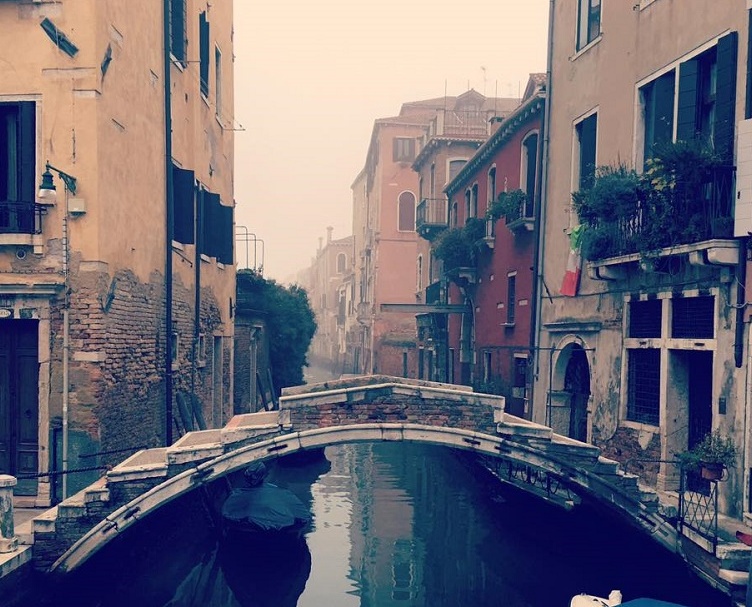

Nestled within the labyrinthine canals of Venice, the Ponte del Chiodo stands as a silent witness to centuries of history. This ancient bridge, hidden in the tranquil Rio di San Felice, offers a unique glimpse into the architectural and cultural fabric of this floating city.
### History and Origins
The origins of Venice date back to the 5th century when refugees fled from barbarian invasions on the mainland, seeking sanctuary in the marshy lagoons. Over the centuries, this humble settlement transformed into a bustling maritime power. The Ponte del Chiodo, believed to have been constructed in the early Middle Ages, is one of the city's oldest bridges, with its simple yet profound design reflecting the utilitarian needs of early Venetians.
Unlike many of its contemporaries, the Ponte del Chiodo has never been adorned with protective railings, known as "bande" or "spallette," which were introduced in the 1600s. This gives the bridge a raw, authentic character, reminiscent of the earliest forms of Venetian engineering. The absence of railings has allowed the bridge to retain its original form, making it a rare example of Venice’s architectural evolution.
### Art and Architecture
The architectural style of the Ponte del Chiodo is a testament to the pragmatic ingenuity of Venetian builders. Constructed primarily from local stone, the bridge features a simple arch, perfectly harmonizing with the surrounding waters. Its unembellished structure stands in stark contrast to the ornate designs found on many of Venice's more famous bridges, like the Rialto.
Artistic significance can also be found in the surrounding area. The bridge is a stone's throw from Campo San Felice, a lively square that often hosts local artists. Here, you can witness the essence of Venetian life captured through various art forms, from painting to street performances, echoing the city’s historical importance as a hub for artists and thinkers.
### Local Culture and Traditions
Venice is a city steeped in tradition, and the area around the Ponte del Chiodo is no exception. Here, local customs thrive, especially during the Carnevale di Venezia, a festival renowned for its elaborate masks and costumes. Although the bridge itself is not a central feature of the carnival, the nearby campo becomes a gathering place for revelers, all seeking to experience the magic of Venice during this festive season.
The culture of Venice is also marked by its unique dialect, Venetian, which adds a rich layer to the local identity. While wandering the quiet streets near the bridge, you might hear snippets of this lyrical language, a blend of influences that reflect Venice’s diverse history.
### Gastronomy
No visit to Venice would be complete without indulging in its culinary delights. Near the Ponte del Chiodo, you can savor local specialties such as sarde in saor, a dish of sardines marinated in vinegar, onions, and pine nuts, which reflects the city’s maritime heritage. Pair it with a glass of Prosecco or Spritz, a refreshing cocktail that has become synonymous with Venetian aperitivo culture.
For a sweet treat, be sure to try baicoli, a traditional Venetian biscuit that pairs perfectly with coffee. The local bakeries often hold the secret recipes passed down through generations, contributing to the authenticity of the Venetian gastronomic experience.
### Lesser-Known Curiosities
While the Ponte del Chiodo may not be on every tourist’s itinerary, it is rich in stories and curiosities. For instance, the bridge is often referred to as the "Bridge of Screams" due to its proximity to the old Ospedale di San Giovanni e Paolo, where patients would reportedly cry out for help. This eerie moniker adds a layer of intrigue for those willing to explore beyond the usual tourist haunts.
Moreover, the bridge has become a favorite among photographers and romantics, seeking the perfect shot of the untouched charm of Venice. Its secluded location often means you can enjoy a moment of solitude, away from the bustling crowds that throng the more famous sites.
### Practical Visitor Information
The best time to visit the Ponte del Chiodo is during the early morning or late afternoon when the soft light casts enchanting reflections on the canal waters. This quiet period allows you to truly appreciate the bridge’s serene surroundings.
To reach the bridge, start at Campo San Felice, a quaint square near the Strada Nuova, and follow the Fondamenta San Felice to its end. As you stroll, take in the quaint atmosphere, and don't forget to pause for photographs.
In conclusion, the Ponte del Chiodo offers more than just a passageway over water; it invites you to step back in time and immerse yourself in the rich tapestry of Venetian history and culture. For a more tailored exploration of this enchanting area, consider using the Secret World app to create a personalized AI itinerary.