
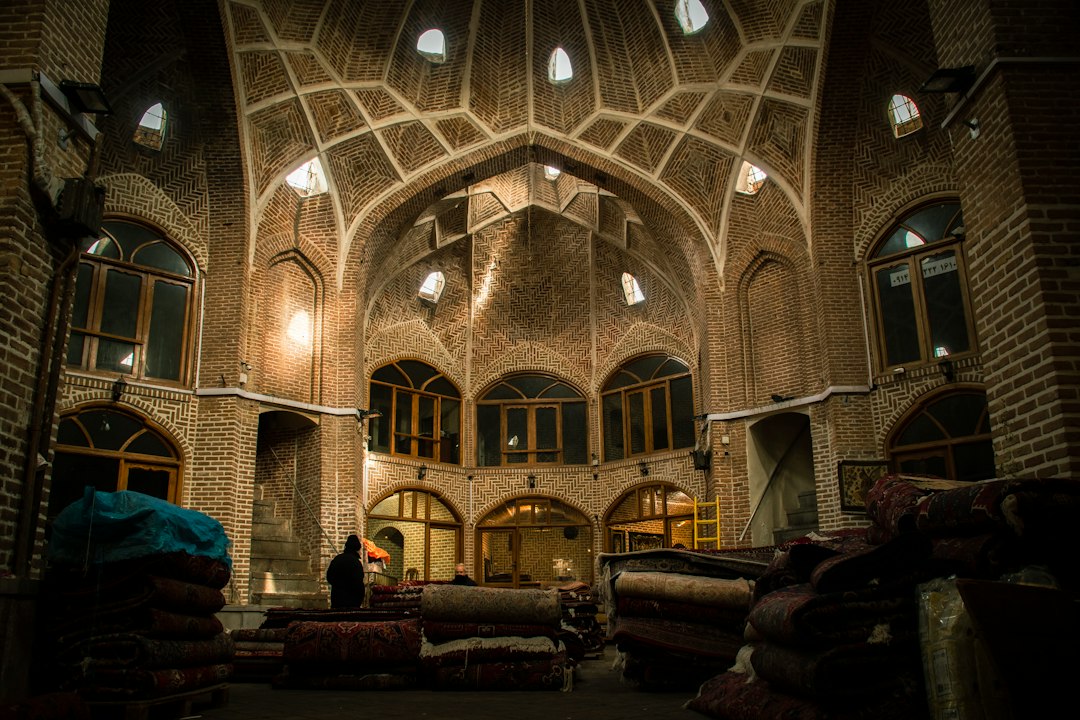

The smell arrives before the light. Still outside the entrance portal, the air already carries piles of saffron, tanned leather, and the burning coal from the blacksmiths' braziers. The Tabriz Bazaar does not announce itself with signs or tourist boards: it imposes itself through the senses, one by one, even before the eyes adjust to the shadow of the covered galleries.
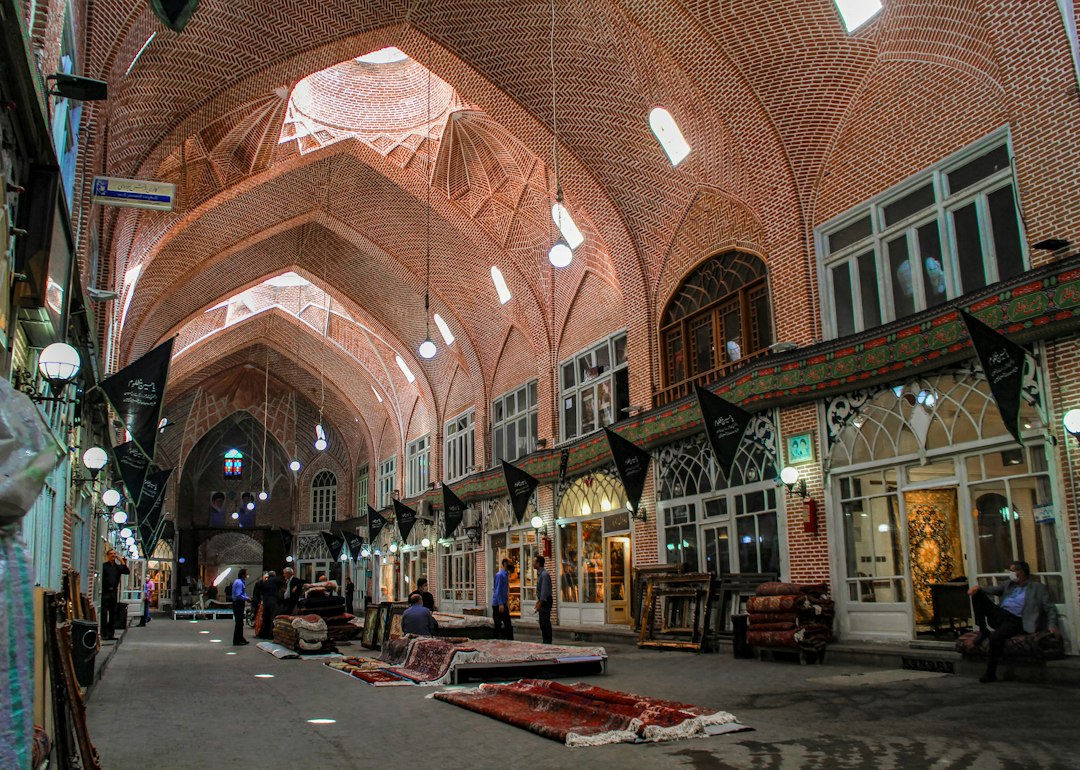
Recognized by UNESCO as a World Heritage Site in 2010, this covered market is among the largest in the world, with over five kilometers of vaulted brick corridors branching into a labyrinth of specialized sections. Its origins date back at least to the Ilkhanate period, between the 13th and 14th centuries, although the complex has undergone significant reconstructions over the centuries, particularly after the devastating earthquake of 1780 that severely affected the city of Tabriz.
The architecture that can be touched
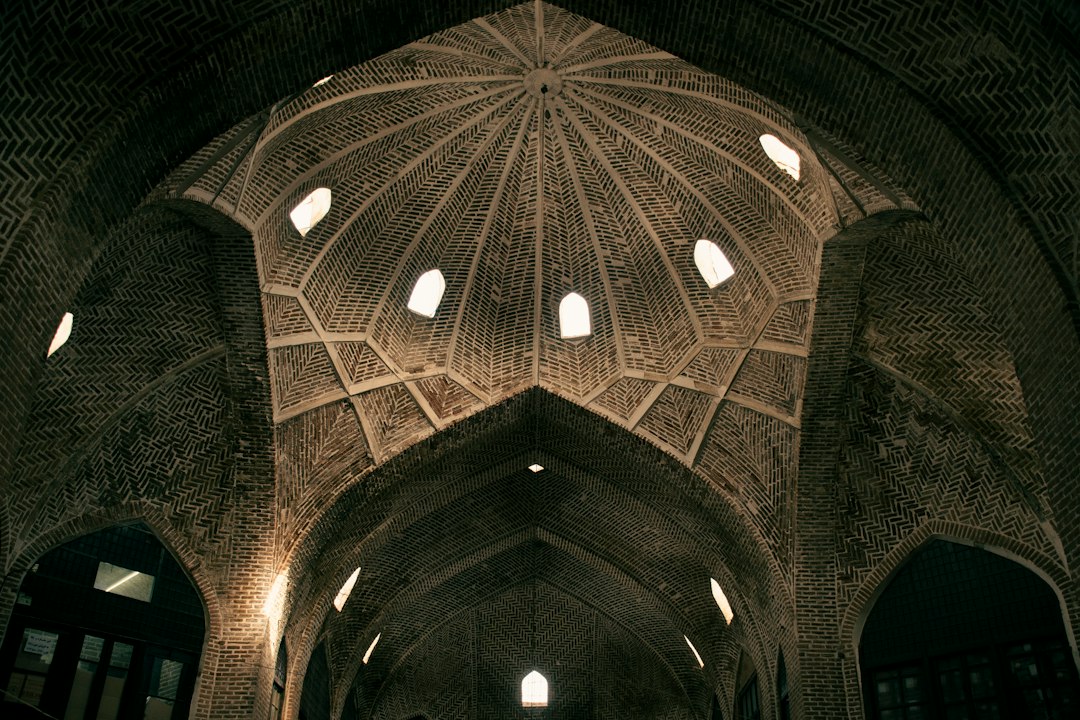
Walking under the ribbed vaults of the bazaar is a physical experience before being aesthetic. The honey-colored bricks, arranged in geometric patterns that vary from section to section, filter light through circular openings at the top of the domes. These skylights — called roshan in Persian architectural tradition — project columns of dusty light that cut through the smoke of incense and illuminate the fabrics hanging vertically like banners.
Each caravanserai within the complex has its own open courtyard, where merchants once rested and where today the elders sit to drink chai in small tea glasses. The Timcheh Mozaffarieh, one of the most famous halls of the bazaar, is known for its dome decorated with stucco muqarnas, an intertwining of stalactite niches that carpet sellers use as a natural backdrop for their most precious pieces.
The colors and voices of the market
The bazaar is divided into thematic sections — raste in Persian — each dedicated to a merchandise category. In the carpet section, rolls of wool and silk are stacked up to the ceiling: madder reds, indigo blues, and natural beiges of undyed wool blend into a palette that changes with every step. Spice sellers work behind counters where cumin, sumac, and turmeric form small pyramids of colored powder, weighed on flat scales that seem unchanged for centuries.
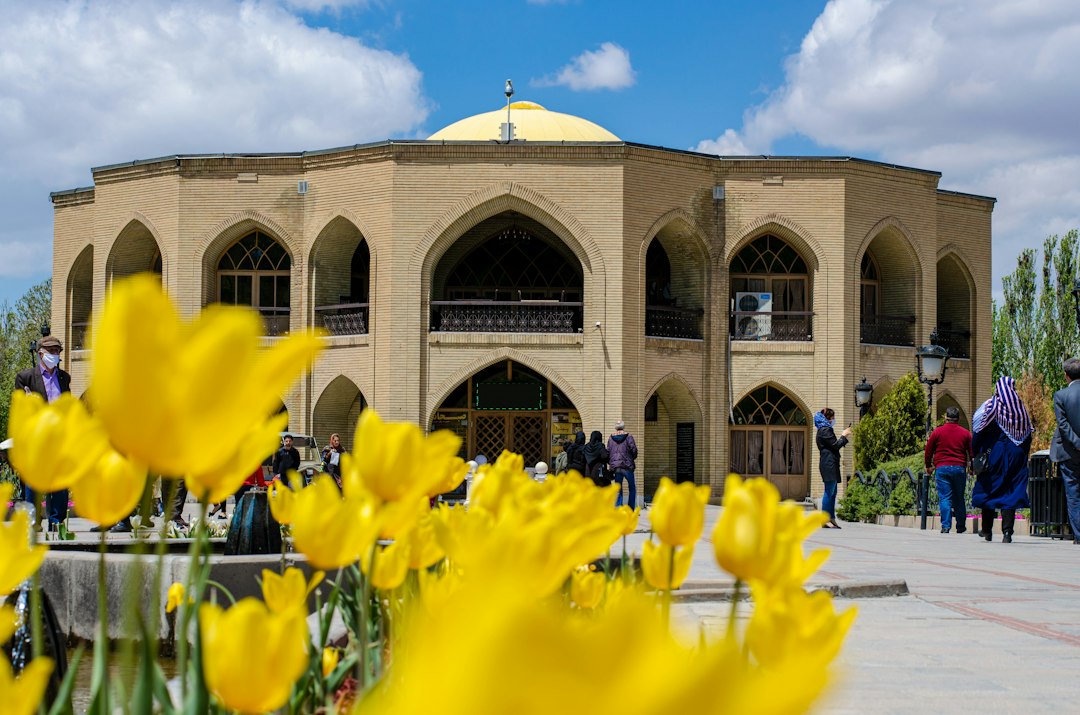
The sounds are equally layered. The rhythmic hammering of coppersmiths — artisans of copper — resonates in the metal section with an almost musical cadence. The voices of the sellers overlap in Persian, Azerbaijani, and sometimes in approximate English directed at the few foreign visitors. Tabriz is a city with a majority Azerbaijani population, and this dual linguistic identity is also felt in the bazaar, where negotiations can begin in one language and conclude in another.
The people who keep the market alive
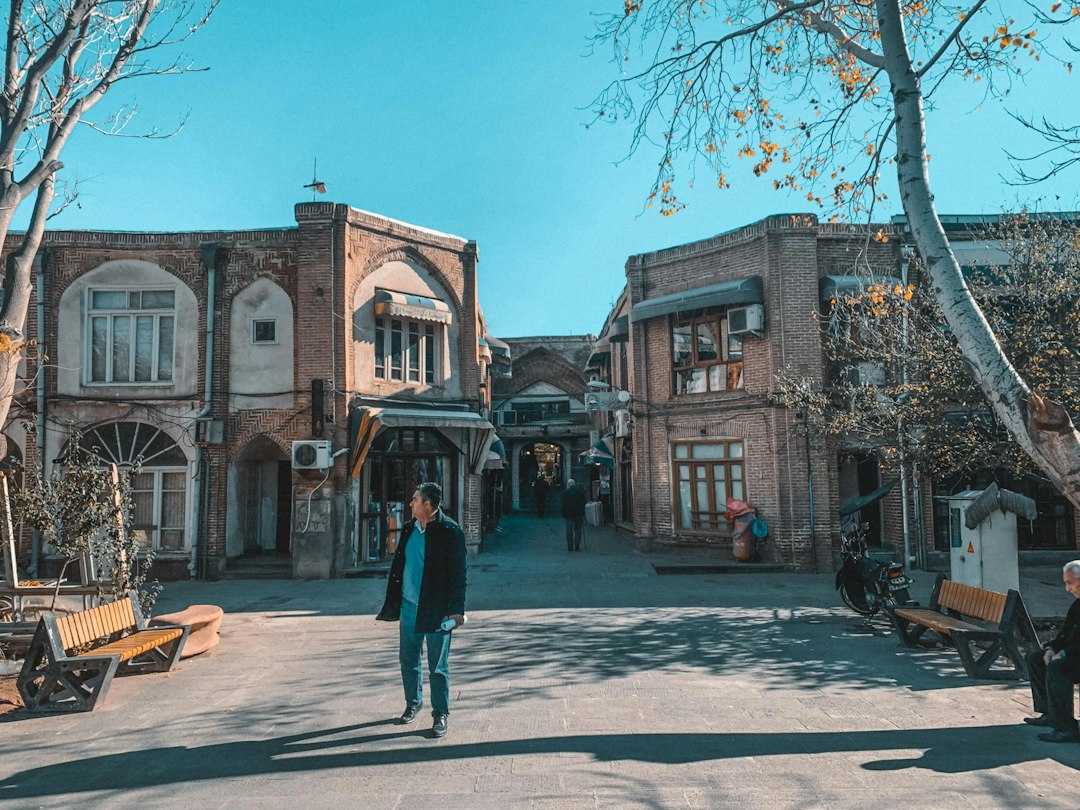
The bazaar is not a living museum: it is a place of active work where thousands of people earn a living every day. A young shoemaker in the shoe section can resole a pair of sandals in twenty minutes, using tools that his father left him. An elderly woman sells dried medicinal herbs from a tiny stall, knowing by heart the properties of each bundle. These brief encounters, often without a common language, are the true substance of the visit.
Commercial exchanges still partly occur on a trust basis among merchants who have known each other for generations. Seeing two merchants shake hands after a long and silent negotiation, without any document changing hands, is a spectacle that tells more than any tourist guide.
How to visit the Tabriz bazaar
The bazaar is generally open from morning until late afternoon, with a break on Friday for prayer that significantly reduces activity. The best time to visit is early in the morning on weekdays, when merchants are still setting up their goods and the crowd is not yet at its peak. Bringing at least three or four hours is the minimum to avoid feeling rushed.
Tabriz can be reached by plane from Tehran with domestic flights, or by overnight train from the capital. The bazaar is located in the historic center of the city and is within walking distance from most downtown hotels. There is no entrance fee. It is advisable to carry Iranian rials in cash, as foreign credit cards are not accepted due to international sanctions. Dressing modestly and covering up is mandatory for women and respectful for everyone.


