
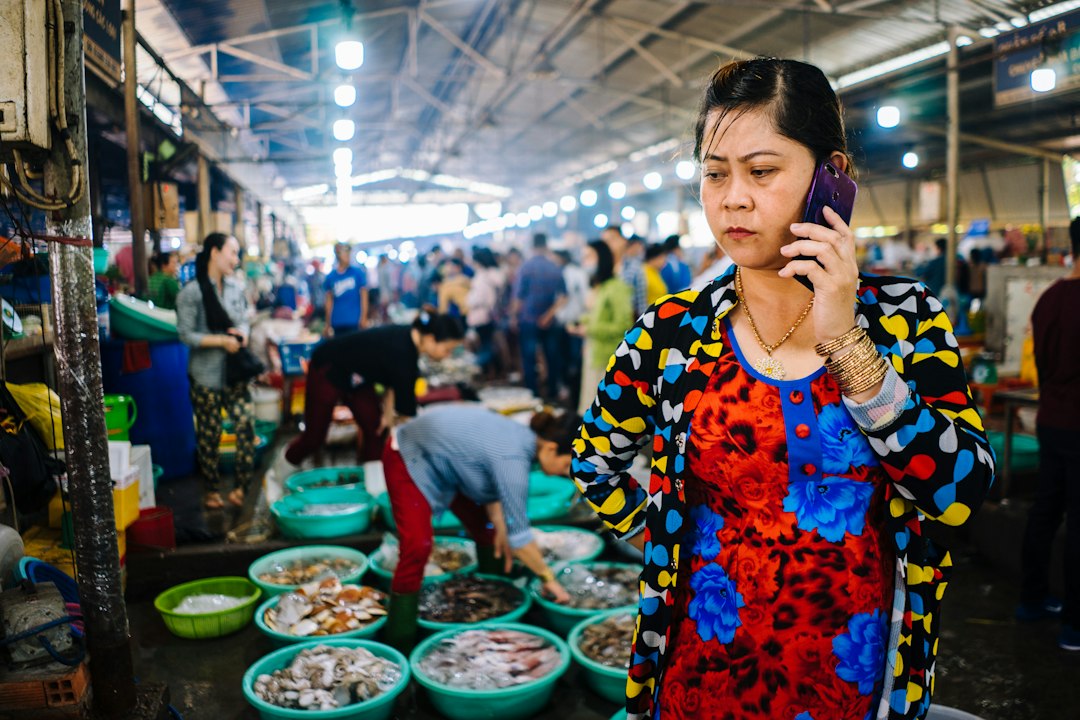

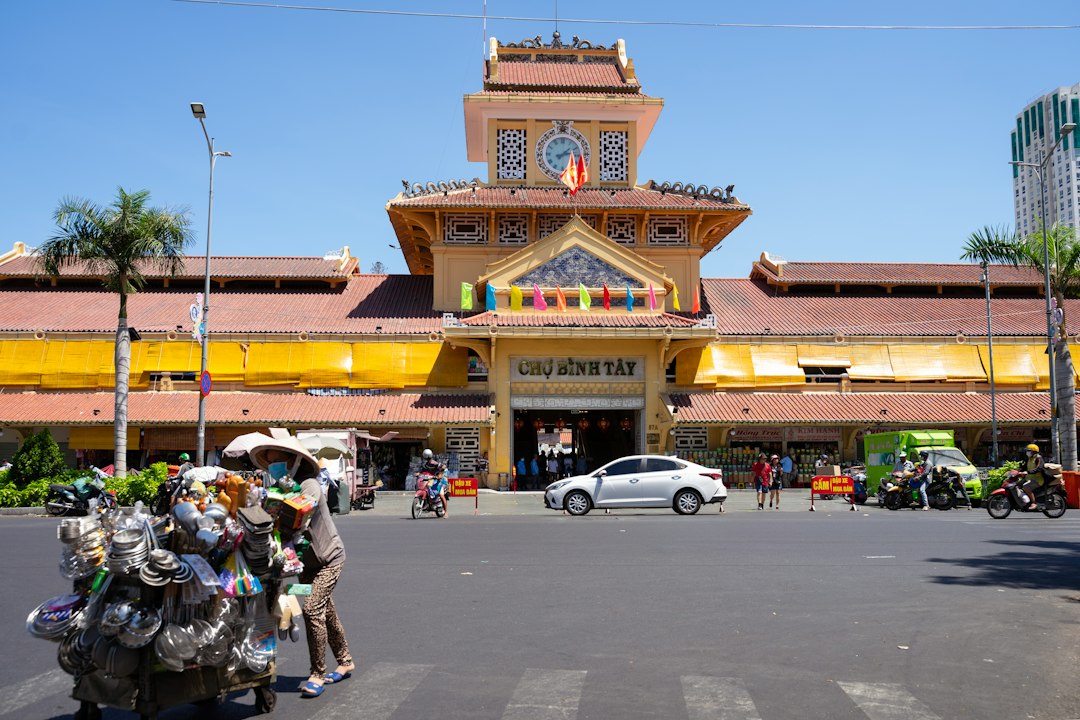
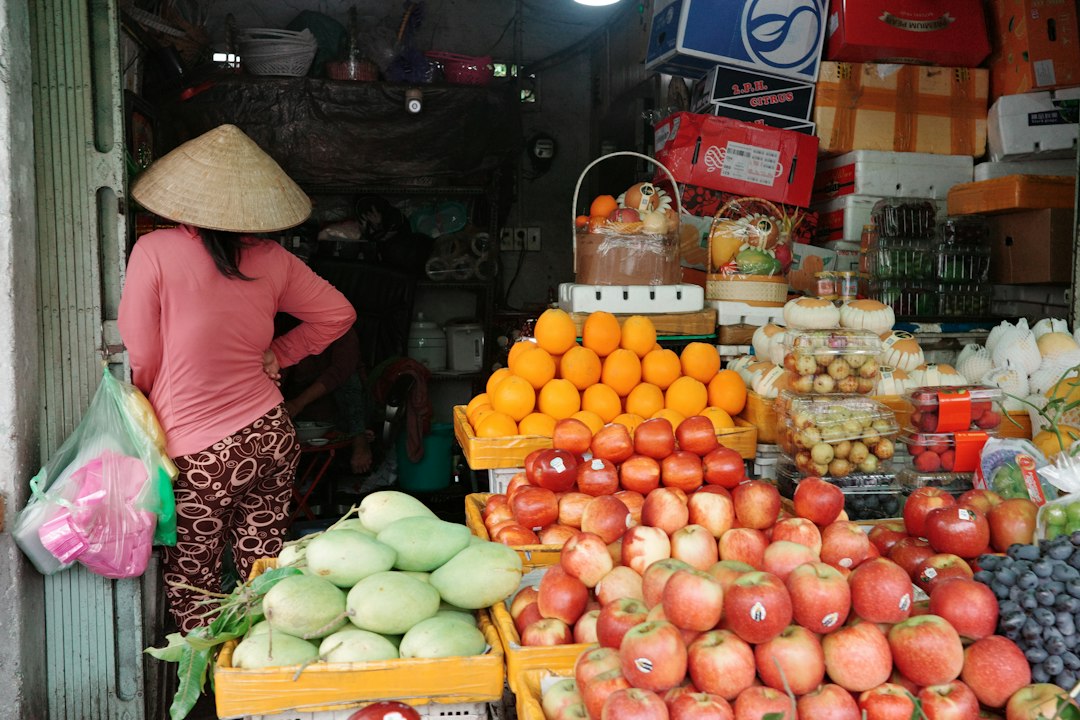
The smell arrives before the sight: a blend of lemongrass, dried fish, and toasted spices that permeates the air even from the outside, where fruit vendors arrange pyramids of mangoes and rambutans on their carts. Bến Thành Market is announced by its ochre clock tower, an architectural element that has become as recognizable a symbol of Ho Chi Minh City as any other monument in the city.
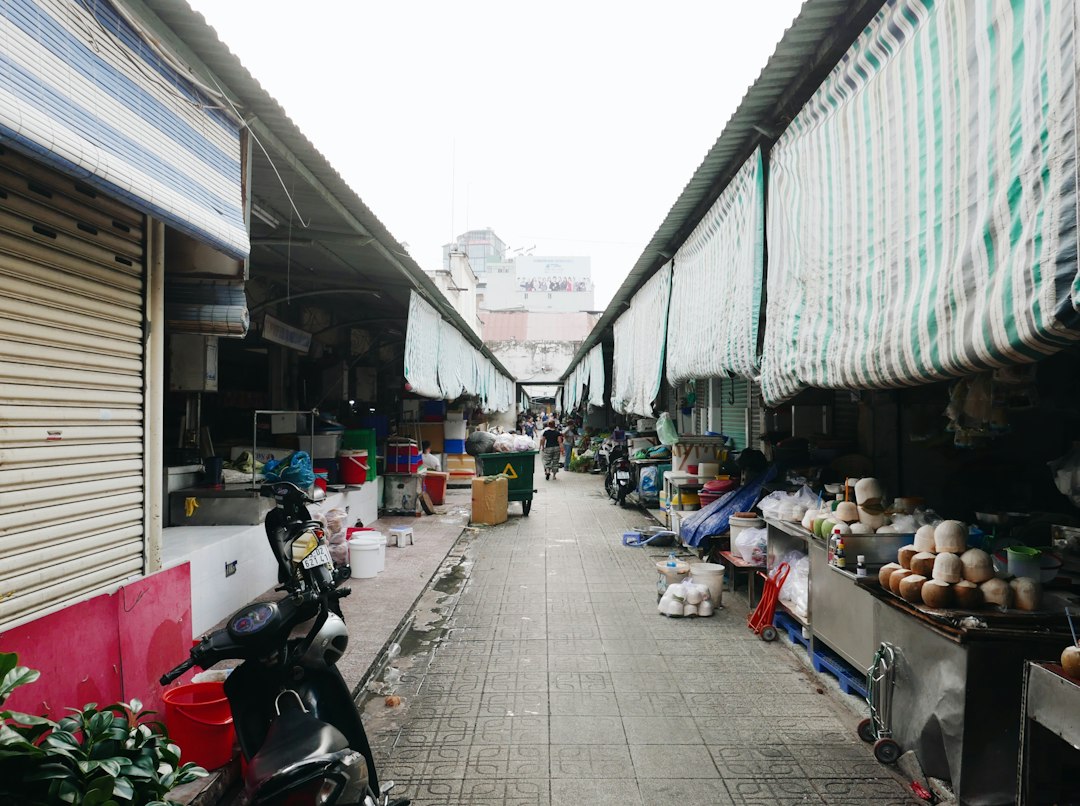
The current market was built by the French and inaugurated in 1914, during the colonial period of French Indochina, in a strategic location at the center of what was then called Saigon. The structure covers about 13,000 square meters and houses over 1,400 stalls inside, distributed in corridors that intersect in a grid regular enough not to completely disorient, but dense enough to make one lose track of time.
The architecture and the clock tower
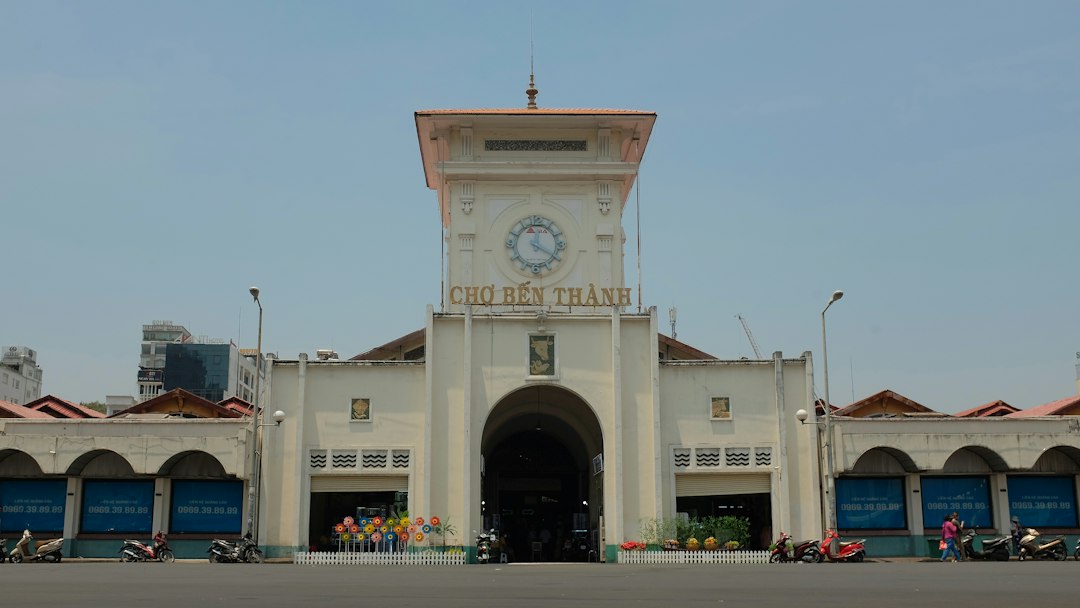
The main facade, which faces the roundabout of Quách Thị Trang square, is the most photographed. The central tower with the four-faced clock has become an urban landmark: appointments in Saigon are often made simply by saying "under the Bến Thành clock". The main entrance is topped by an arch with the market's name written in Vietnamese characters, flanked by two smaller towers that give the building an almost solemn symmetry.
The four cardinal doors of the market correspond to the four access points to the surrounding main streets. Each entrance has its own informal specialization: the south one is historically associated with fresh food, while the east one leads directly to the counters of fabrics and silk. Observing the original cast iron internal pillars is one of the architectural details worth seeking out among the confusion of displayed goods.
Colors, smells, and the choreography of the vendors
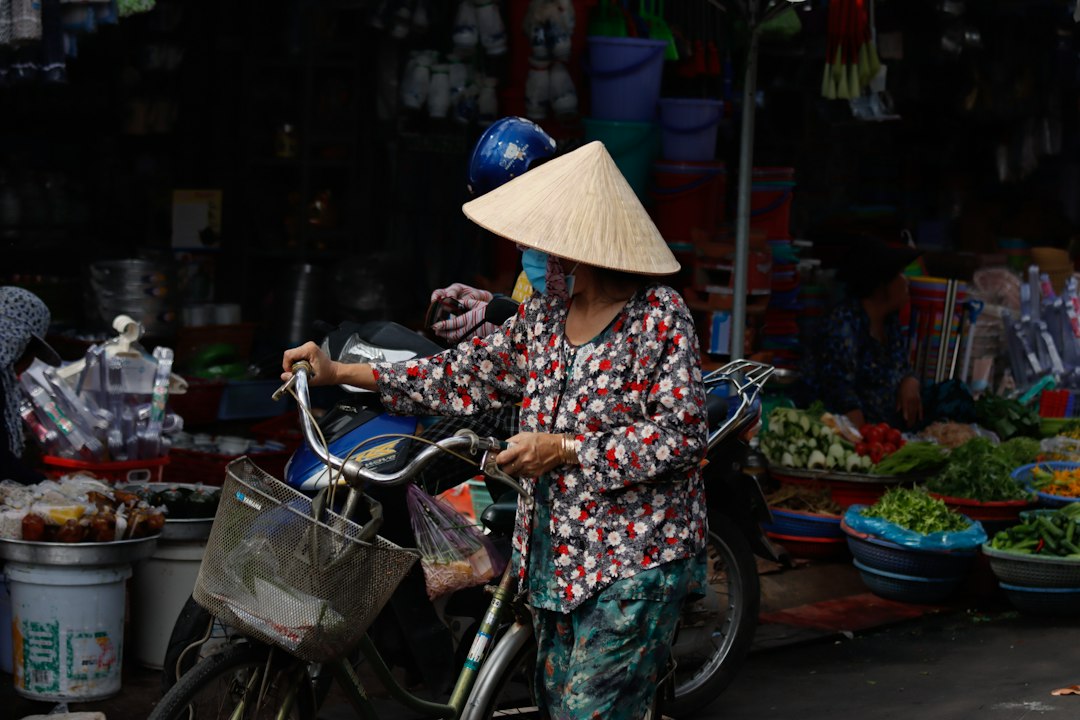
Inside, light filters through the tall windows and mixes with the artificial light from the lamps that illuminate each stall. The dominant colors change depending on the area: the red and gold of the lacquers, the bright green of fresh vegetables, the bright pink of synthetic silk fabrics hanging in vertical rows. The spice vendors display piles of dried chili, turmeric, and powdered cinnamon that form almost geometric color landscapes.
The noise is constant but not chaotic: the crackling of oil in the woks of the small restaurants along the inner perimeter, the bargaining in Vietnamese conducted loudly but with almost musical tones, the hum of ceiling fans that never quite manage to overcome the tropical humidity. The vendors of phở and bánh mì work without breaks, serving steaming bowls to customers sitting on colorful plastic stools thirty centimeters off the ground.
What to buy and how to move between the stalls
Vietnamese lacquers — trays, boxes, vases decorated with mother-of-pearl or gold leaf — are among the most representative purchases. The quality varies greatly: handmade pieces show small irregularities that are actually a sign of authenticity, while industrial versions have finishes that are too uniform. The same goes for silk: rubbing the fabric between your fingers and observing how it falls is the empirical test used by experienced buyers.
The market also sells everyday items purchased by locals: kitchen utensils, casual clothing, local beauty products. Visiting these less touristy aisles, towards the center of the market, allows you to observe the ordinary commercial life of the city without the pressure of aggressive sales typical of the more visited areas near the main entrances.
Practical tips for the visit
The best time to visit Bến Thành is early in the morning, around 7:00-8:00, when the market opens and the food stalls are at their busiest. The tourist crowd usually arrives after 9:30, making the aisles narrower and bargaining less relaxed. The market is open every day, typically from 6:00 to 18:00; in the evening it transforms into an outdoor night market, with different features.
The Bến Thành subway station, inaugurated in 2024 on line 1, is now the most direct way to reach it without facing motorcycle traffic. For bargaining, there is an unwritten but respected rule: do not start negotiating a price unless you have a genuine intention to buy. Bringing small denominations of local currency — the Vietnamese dong — avoids embarrassing situations at the time of payment.


