
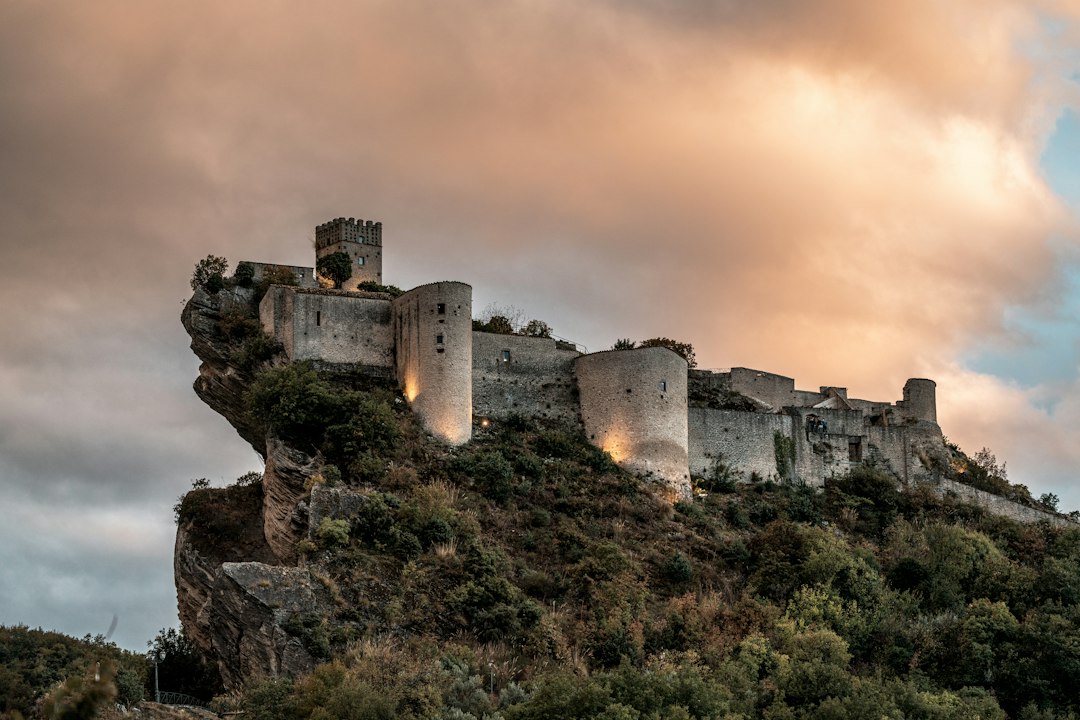

Behind the medieval walls of Berat Castle, daily life continues exactly as it did centuries ago: women hanging laundry between gray stone houses, children playing in the cobbled alleys, elderly people sitting in front of time-worn doorways. This citadel perched on the hill overlooking Berat is not an open-air museum emptied of its inhabitants, but a living settlement where some Albanian families still reside within the ancient walls today.
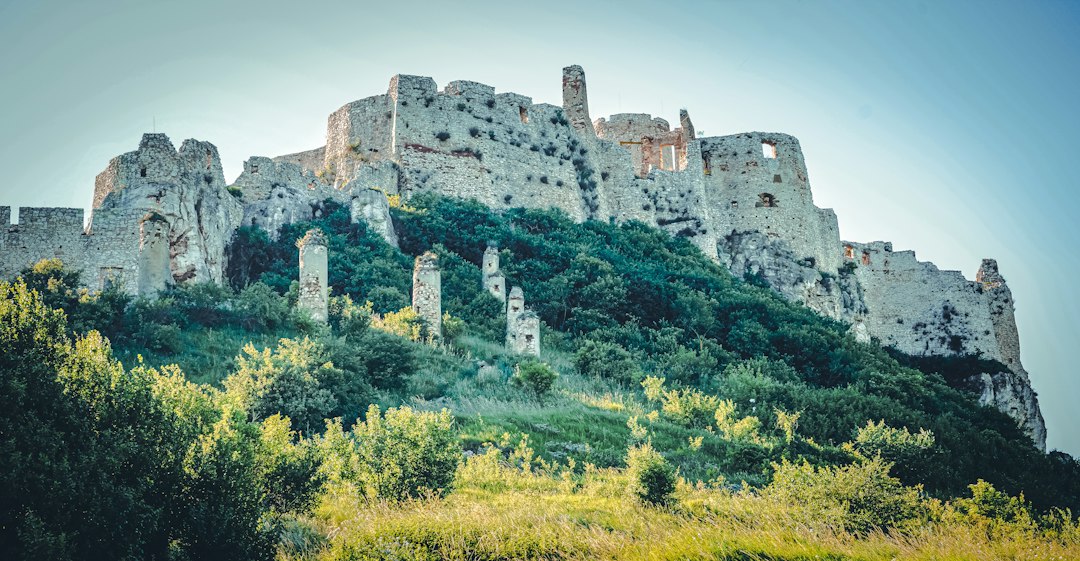
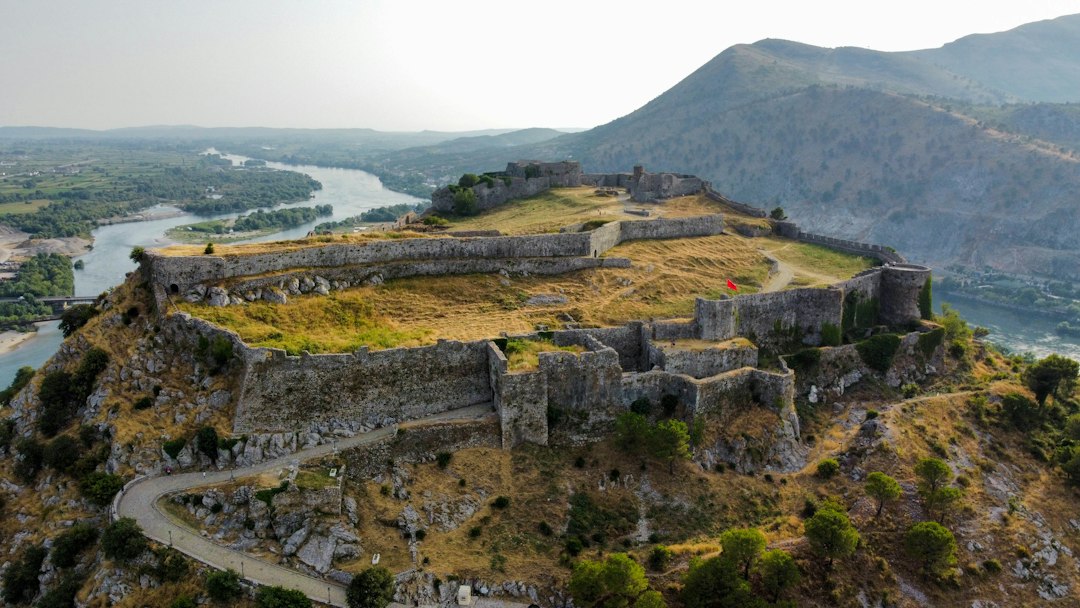
The castle stands on a rocky spur about 187 meters above sea level, above the city that the Ottomans called Arnaut Belgrade and which has been a UNESCO heritage site since 2008. Its origins date back at least to the 4th century BC, when the Illyrians built the first fortifications, but the current structure owes its definitive shape mainly to the restorations and Byzantine expansions of the 13th century, with subsequent Ottoman layers that can be clearly seen by observing the different masonry techniques along the perimeter.
The architecture of the walls and the entrance to the citadel
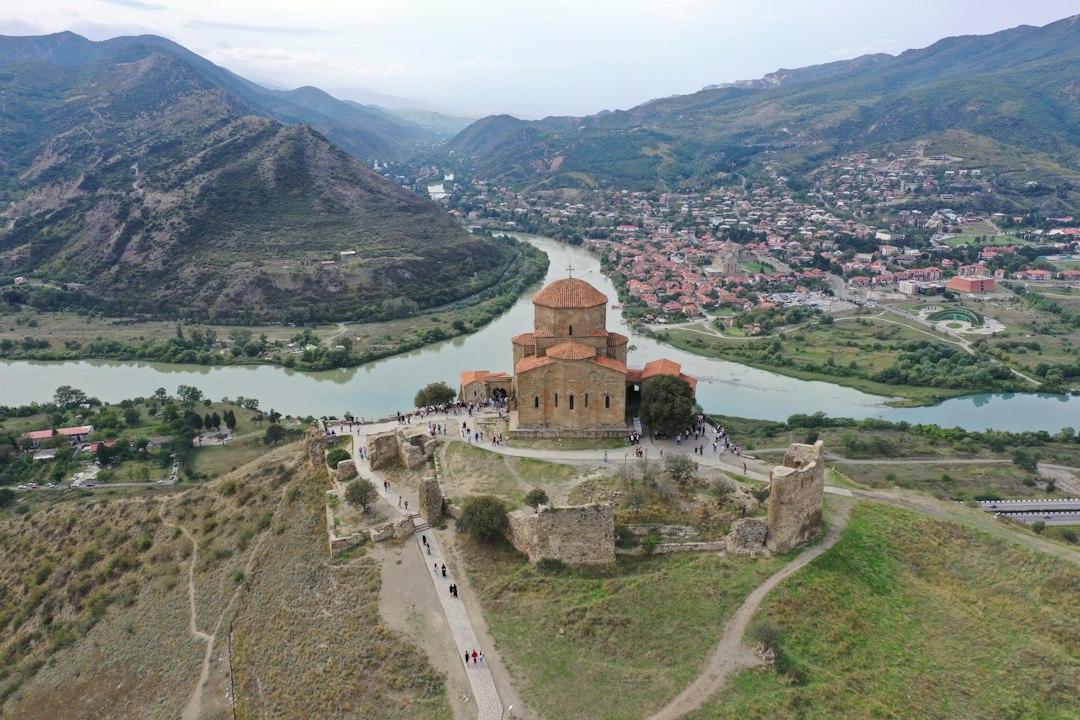
The main access is through the Royal Gate, a square stone arch that leads into a labyrinth of narrow streets where the houses lean against each other following the natural morphology of the rock. Walking along the walls, it is possible to distinguish with the naked eye the different construction phases: the larger and irregular blocks belong to the Byzantine foundations, while the more regular sections and the circular-plan towers are typically Ottoman, dating from the period between the 15th and 17th centuries.
The wall perimeter extends for about 1,400 meters and includes watchtowers positioned at regular intervals. Many of them are still partially walkable, offering close-up views of the construction technique: local white limestone stones bound with lime mortar, with inserts of fired bricks in the sections of Ottoman restoration. The view that opens towards the lower city, with its houses featuring arched windows arranged in steps along the hill, is the image that has earned Berat the nickname of City of a Thousand Windows.
The Byzantine Churches and the Onufri Museum
Inside the citadel, there are at least twenty Byzantine churches, most of which have been reduced to ruins or transformed into mosques during the Ottoman rule. Among the best-preserved is the Church of the Dormition of the Virgin, which houses the Onufri Museum, dedicated to the eponymous Albanian painter of the 16th century considered one of the masters of Balkan Orthodox iconography. Onufri is known for his use of a particularly intense red, obtained from natural pigments, which still stands out in his icons with surprising vibrancy.
The museum preserves about seventy icons dating from the 16th to the 19th century, some of which are directly attributed to Onufri and his son Nikolla. The interiors of the church show fragments of original frescoes on the side walls, partially compromised by humidity but still legible in their compositional structure. Entrance to the museum costs a few euros — approximately around 200 Albanian lek, equivalent to about 2 euros — and is included in the general visit route of the castle.
The cisterns and hidden spaces
One of the least celebrated but most interesting architectural elements of the castle are the underground cisterns distributed in various points of the citadel. Carved into the rock and internally coated with hydraulic plaster, they served to collect rainwater to support the population during sieges. Some are visible from the outside through openings in the ground, others have been partially restored and made accessible to visitors. Their presence testifies to a sophisticated urban planning, designed to ensure the autonomy of the citadel for extended periods.
Exploring the less frequented alleys, it is possible to come across portals decorated with geometric patterns carved in stone, thresholds worn down by centuries of passage, and remnants of original river pebble pavements. The inhabited houses often show a fascinating material stratification: Byzantine foundations, Ottoman walls, 20th-century fixtures, satellite antennas. This layering is not a flaw, but a tangible proof of a continuous habitation that few medieval sites in Europe can boast.
Practical tips for the visit
The best time to visit the castle is early in the morning, preferably before nine, when the slanting light enhances the textures of the stone and tourist groups have not yet reached the citadel. The complete visit takes between two and three hours if you include the Onufri Museum and a walk along the walls. The path is largely on uneven pavement and has significant elevation changes, so non-slip shoes are essential. From the center of Berat, the castle can be reached on foot in about twenty minutes of uphill walking, or by taxi for those who prefer to avoid the elevation. Avoid the central hours of July and August, when the heat on the exposed rock becomes oppressive.


