
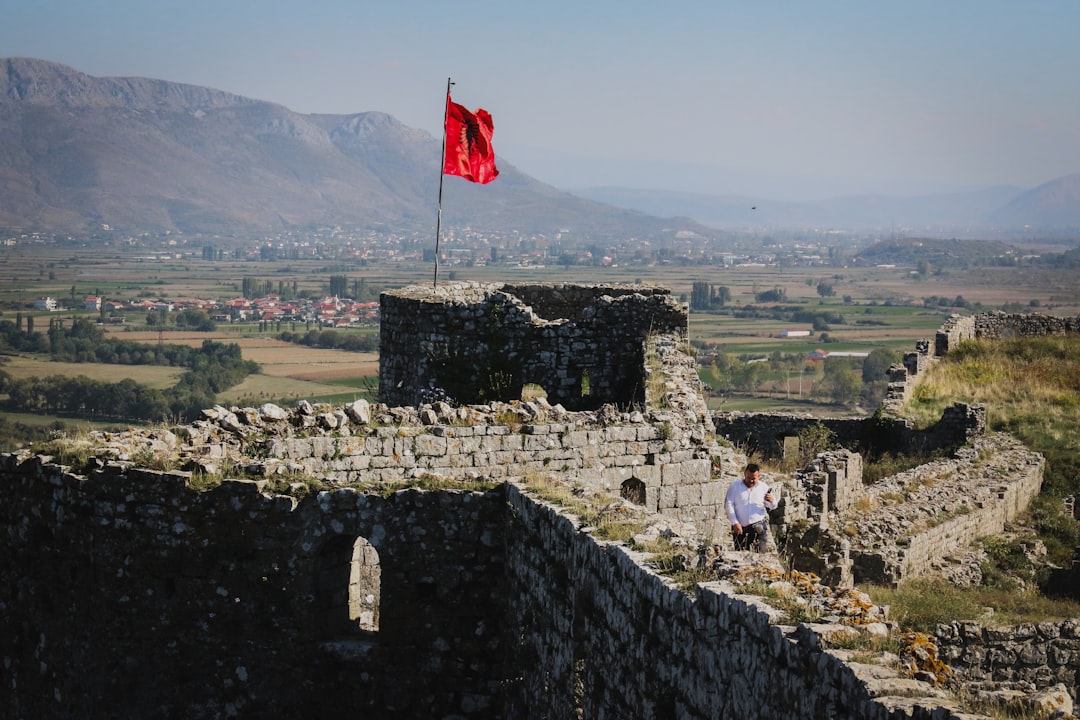

Constantine the Great, also known as Constantine I, is a historical figure of enormous relevance, not only for his leadership as a Roman emperor but also for his crucial role in the spread of Christianity. He was born in Naissus, in present-day Serbia, but his impact extended far beyond the borders of his hometown, reaching the lands of Albania as well. This country, rich in history and culture, offers travelers the opportunity to explore the roots of one of the most influential figures in ancient history.
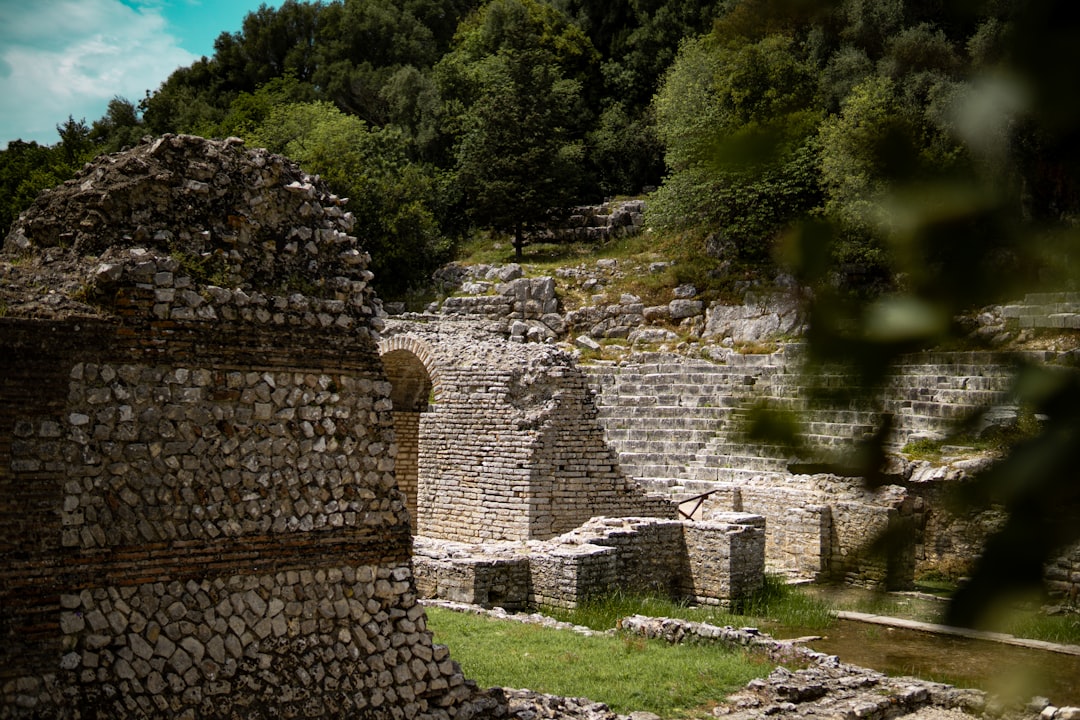
The region, immersed in breathtaking landscapes, preserves traces of a past that witnessed the transition from antiquity to Christianity. Visiting places related to Constantine means immersing oneself in a context that shaped not only Roman history but also the cultural identity of modern Europe.
Historical and Cultural Context
Constantine I reigned as Roman emperor from 306 to 337 AD, and he was the first to convert to Christianity, an act that marked a radical change in the history of the Roman Empire. His promulgation of the Edict of Milan, which legalized Christian practice, represented a fundamental milestone in the Christianization of the empire. This historical context is essential for understanding Constantine's legacy, which is not limited to the borders of Rome but also extends to the lands of Albania, where culture and religion have undergone significant influences over the centuries.
In Albania, the cult of Constantine is visible through various local traditions and the presence of churches and monuments that celebrate his figure. These historical testimonies offer a unique interpretation of his life and work, making the country a fascinating place for those wishing to delve into Christian and Roman history.
What Impresses About the Place
The natural beauty of Albania is undoubtedly an aspect that impresses every visitor. The towering mountains, crystal-clear coasts, and picturesque villages provide an extraordinary backdrop for historical exploration. However, what makes this land truly unique is its ability to combine ancient history with contemporary life. Albanian cities, rich in historical architecture, carefully guard the secrets of past eras while pulsating with modern life.
In particular, the connection with Constantine the Great manifests in local tales and celebrations that honor his figure. Visitors can discover how his legacy continues to influence local culture through festivals, artworks, and religious practices, creating a tangible link between past and present.
Visiting Experience
Visiting the places related to Constantine in Albania is an experience that goes beyond mere observation. It is an opportunity to immerse oneself in Albanian culture and discover how the history of this emperor has shaped the lives of people over the centuries. Guided tours offer detailed insights and allow for the exploration of historical sites with a new awareness. Interacting with locals and listening to their stories further enriches the experience, making each visit unique.
Moreover, Albanian cuisine, with its authentic flavors and traditional dishes, represents another aspect not to be missed. Tasting typical dishes while discussing local history creates an atmosphere of connection and discovery that every traveler should experience.


