
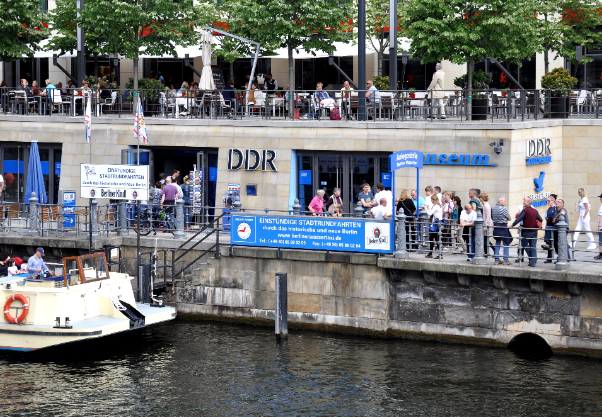

Nestled along the banks of the Spree River, the DDR Museum in Berlin offers a fascinating and immersive journey into the daily life of the German Democratic Republic (GDR). Opened on July 15, 2006, this privately owned institution has quickly become one of the most visited museums in the city, drawing in tourists eager to understand the complexities of life behind the Iron Curtain.
The museum's roots can be traced back to the tumultuous history of East Germany, which existed from 1949 until the fall of the Berlin Wall in 1989. The GDR was marked by a unique blend of socialist ideology and the stark realities of everyday restrictions, such as the infamous Stasi surveillance and the limited availability of consumer goods. The museum was founded by a group of enthusiasts led by Marcel Klingenberg, who recognized the need to preserve the personal stories and artifacts of a society that had been overshadowed by its political history. Since its inception, the DDR Museum has sought to provide visitors with a deeper understanding of how ordinary people navigated their lives under a regime that emphasized conformity and state control.
Architecturally, the DDR Museum is a modern structure that cleverly integrates into the historical fabric of Berlin. Its design reflects the industrial aesthetics of the GDR, with clean lines and minimalist interiors that contrast sharply with the ornate architecture of nearby historic buildings. Inside, the museum is divided into thematic sections that recreate various aspects of GDR life, from education and work to leisure and family life. The most notable feature is the interactive exhibits that allow visitors to engage with the past, such as stepping into a replica of an East German apartment or exploring a typical classroom setting.
Art plays a significant role in the museum's narrative, showcasing works that reflect the artistic expression allowed within the confines of the GDR. The museum houses a range of artifacts, from propaganda posters to pieces created by dissident artists who challenged the regime through their work. Notable artists such as Wolfgang Mattheuer and A. R. Penck are represented, offering insights into how art served both as a tool for state propaganda and a means of resistance.
Local customs and traditions from the GDR era are vividly brought to life in the museum. Visitors can learn about the annual May Day celebrations, which were marked by parades and displays of state power. The museum also highlights important cultural figures from the era, such as the beloved children's author Erich Kästner, whose works often reflected the realities of life in East Germany. These elements combine to create a rich tapestry of GDR culture, where community and conformity were paramount, yet individual stories and struggles persistently emerged.
The gastronomy of East Germany offers a nostalgic journey for those familiar with its flavors. The museum features a café that serves traditional dishes such as Soljanka, a hearty soup that combines meats, pickles, and spices, and Quarkkeulchen, sweet potato pancakes often enjoyed as a dessert. Additionally, visitors can sample Club Cola, a popular soft drink that was a staple in East German households, alongside locally brewed Pilsner beers. These culinary delights provide a flavorful context to the everyday lives of those who lived in the GDR.
For those seeking unique insights, the DDR Museum is full of lesser-known curiosities. One such surprise is the extensive collection of East German toys, which were prized possessions for children during the GDR era. The museum also houses a section dedicated to the controversial Trabant, the iconic car that symbolized both the limitations of the GDR's economy and the yearning for freedom. The Trabant is often affectionately referred to as the “people’s car,” and its quirky design, coupled with its two-stroke engine, embodies the spirit of innovation amidst constraints.
When planning a visit to the DDR Museum, timing can enhance the experience. The best time to visit is during the spring and early autumn months when Berlin’s weather is mild and the city is vibrant with outdoor activities. To avoid crowds, consider visiting on weekdays, especially in the morning hours. Be sure to allocate enough time to explore the interactive exhibits fully; many visitors find themselves immersed in the engaging displays longer than anticipated.
As you wander through the museum, take note of the personal stories shared through multimedia presentations, which offer voices to those who lived through this unique period. The museum also hosts temporary exhibitions that can shed new light on various aspects of GDR history, so check their schedule before your visit.
In conclusion, the DDR Museum stands as a vital institution that preserves the memory of a complex past. It invites visitors to reflect on the nuances of life in East Germany, where joy and hardship coexisted within a society shaped by ideology and resilience. For a personalized journey through Berlin's rich history and culture, consider using the Secret World app to plan your itinerary.


