
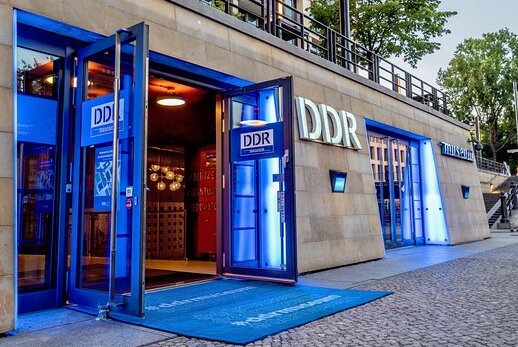

Nestled along the banks of the Spree River in Berlin, the DDR Museum offers a vivid glimpse into the daily life of East Germany, known as the Deutsche Demokratische Republik (DDR). Opened on July 15, 2006, this interactive museum has quickly become a significant cultural landmark, drawing in visitors eager to understand the realities of life behind the Berlin Wall.
The origins of the DDR Museum can be traced back to the tumultuous history of Germany in the 20th century. Following the end of World War II in 1945, Germany was divided into East and West, creating two distinct socio-political entities. The DDR was established in 1949 and lasted until its collapse in 1990, marked by significant historical events such as the building of the Berlin Wall in 1961 and its eventual fall in 1989. The museum emerged from the desire to preserve the memories of this unique period, emphasizing the everyday experiences of East Germans rather than just the political narrative.
Architecturally, the DDR Museum is a modern structure that contrasts sharply with its historical surroundings in the former governmental district of East Berlin. Its design embodies a postmodern aesthetic, blending functionality with creativity. Visitors can explore various exhibits that cover a wide range of topics, from the GDR's education system to its cult of personality surrounding leaders like Erich Honecker. The museum's interactive displays are particularly noteworthy; for instance, one can experience the feeling of being under surveillance through a covert listening device, mirroring the reality many East Germans faced.
The cultural fabric of Berlin, especially in the former East, is rich and complex. The DDR Museum not only showcases artifacts but also encapsulates the traditions and customs that defined life in East Germany. From the annual May Day celebrations, which were marked by parades and displays of socialist pride, to the everyday rituals of shopping in Intershops, where hard currency was exchanged for goods, the museum immerses visitors in a world that is both fascinating and sobering.
When it comes to gastronomy, the DDR Museum also reflects the culinary landscape of the period. Visitors can sample traditional East German dishes such as Soljanka, a hearty soup with a mix of meats, and Rotkohl, or red cabbage, which was a staple side dish. For those looking to quench their thirst, Club Cola, a popular soft drink in the DDR, offers a taste of nostalgia. The museum occasionally hosts food-related events that highlight these traditional dishes, allowing visitors to experience the flavors of East Germany firsthand.
As with any significant museum, the DDR Museum is filled with lesser-known curiosities that enrich the visitor experience. For instance, did you know that the museum houses a life-size replica of an East German apartment? This exhibit gives a practical understanding of the challenges faced by citizens, from cramped living conditions to the limited availability of consumer goods. Additionally, the museum's collection includes personal letters and diaries that provide intimate insights into the lives of ordinary East Germans, revealing dreams, aspirations, and the everyday struggle for freedom.
For those planning a visit, the best time to explore the DDR Museum is during the weekdays, particularly in the early morning or late afternoon to avoid crowds. The museum's interactive nature means that it's beneficial to take your time with the exhibits, engaging fully with the displays. Don’t miss the chance to participate in the guided tours that often provide deeper context and more engaging narratives about the items on display.
In conclusion, the DDR Museum is not just a repository of artifacts but a lively narrative of resilience and everyday life in East Germany. Whether you are a history buff or simply curious about this unique chapter in German history, the museum offers a profound experience that resonates long after your visit. For a personalized itinerary to explore Berlin and its rich history, consider using the Secret World app.


