
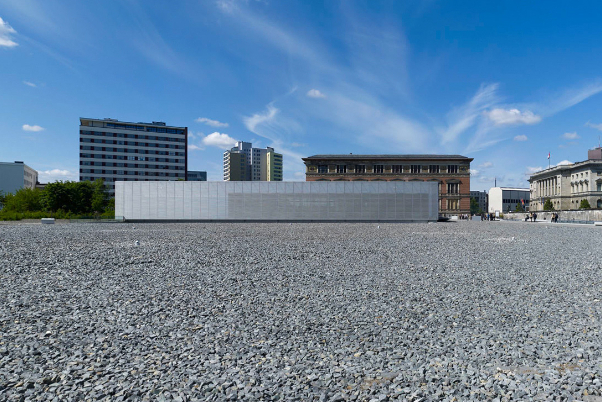

In the heart of Berlin, where history weighs heavily yet profoundly, lies the Topography of Terror, a haunting memorial and museum dedicated to the darker chapters of Germany’s past. Situated on the site of the former SS and Gestapo headquarters, this complex serves as a stark reminder of the atrocities committed under National Socialism and provides a comprehensive overview of its evolution from the 1930s to the end of World War II.
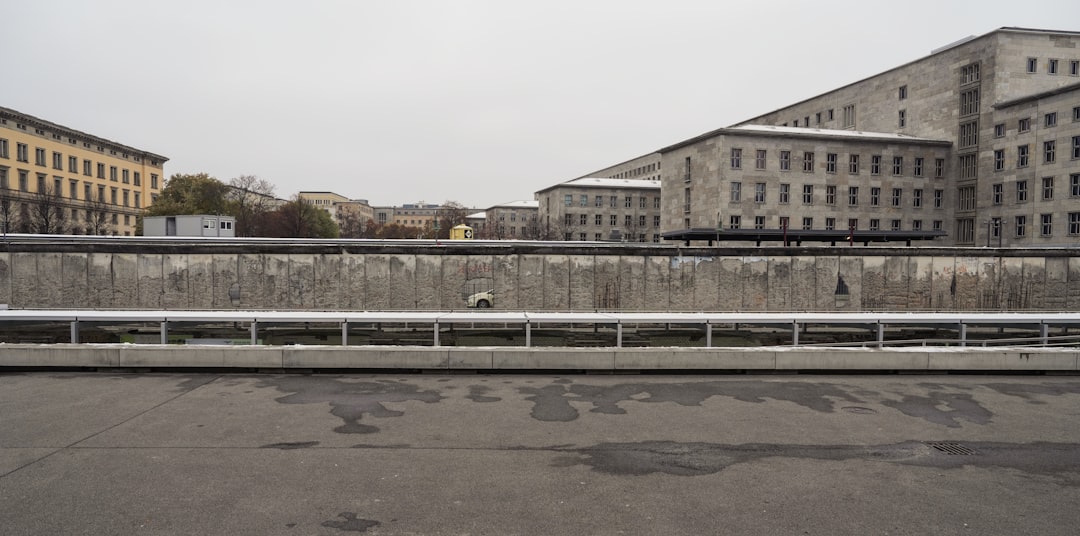
The roots of the Topography of Terror can be traced back to the tumultuous years following World War I. The rise of the Nazi Party in the early 1930s, led by Adolf Hitler, saw the establishment of the SS (Schutzstaffel) and Gestapo (secret police) as key instruments of oppression. The building that once housed these agencies witnessed unimaginable suffering and violence, serving as a command center for the machinery that orchestrated the Holocaust and other war crimes. After the war, the site remained largely untouched until the 1980s, when discussions began about creating a memorial to honor the victims of Nazi terror. The museum officially opened in 2010, underscoring the importance of remembrance and education.
Architecturally, the Topography of Terror is not just a museum but a significant work of modern design. The complex features a striking blend of glass, concrete, and steel, emphasizing both transparency and solemnity. Visitors enter through a sleek glass façade, which leads them to expansive exhibition spaces. The design, by architects Peter Zumthor and Gerd Roth, aims to reflect the gravity of the subject matter while inviting contemplation. The outdoor exhibition area, located on the original grounds of the Gestapo and SS headquarters, allows visitors to walk the very paths once trodden by those who inflicted terror on countless lives.
Within the museum, a wealth of artistic and historical documentation draws visitors into the narrative of oppression and resistance. Notable exhibitions incorporate photographs, documents, and multimedia presentations that illustrate the rise of the Nazi regime, the implementation of their policies, and the impact on German society and beyond. The haunting imagery, coupled with personal stories of victims and survivors, creates a profound emotional experience that lingers long after leaving the museum.
Culturally, Berlin is steeped in traditions that reflect its complex history. While the scars of the past are ever-present, the city is a vibrant hub of contemporary culture. Events like the Berlin International Film Festival and Fête de la Musique showcase the city's artistic spirit. Additionally, local customs such as Karneval der Kulturen celebrate multiculturalism, a testament to the city's resilience and transformation since the fall of the Berlin Wall in 1989. These events serve as reminders that despite its history, Berlin is a city that embraces diversity.
When it comes to gastronomy, Berlin offers a mix of traditional and modern culinary delights. While visiting the Topography of Terror, be sure to try a classic Berliner Currywurst—a beloved street food consisting of bratwurst topped with spicy curry sauce, often served with fries. Pair it with a local Berliner Weisse, a refreshing wheat beer traditionally served with flavored syrups, which has been enjoyed since the 19th century. Another must-try is Schnitzel, a breaded meat cutlet that reflects the city’s German heritage.
Among the myriad stories and facts surrounding the Topography of Terror, one lesser-known aspect is the museum's commitment to ongoing education. It offers various programs and workshops aimed at promoting dialogue about the dangers of totalitarianism and the importance of human rights. Additionally, the museum's archives house thousands of documents, making it a vital research center for historians and educators alike.
For those planning a visit, the Topography of Terror is open year-round, but the best time to explore is during the spring and early autumn months when the weather is mild. Arriving early in the day can help you avoid crowds, allowing for a more personal experience as you delve into the exhibits. Don’t miss the outdoor section, where remnants of the Berlin Wall serve as a poignant backdrop to the museum's message.
As you navigate through the sobering history presented in the Topography of Terror, you will leave with a deeper understanding of the past and a renewed commitment to vigilance against tyranny. With the right tools, such as the Secret World app, you can plan a personalized itinerary to explore all that Berlin has to offer.


