
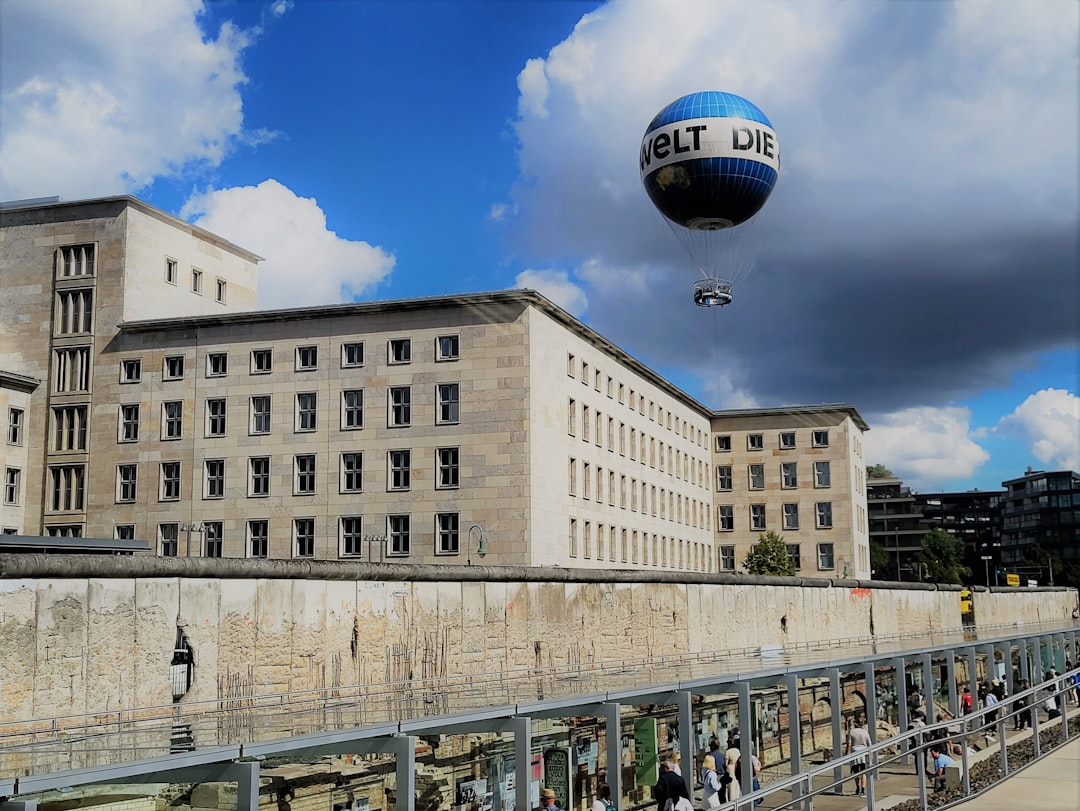

The Topography of Terror, located in the heart of Berlin, is an outdoor and indoor museum that offers a profound reflection on the dark history of Nazism. This site, situated on Niederkirchnerstrasse, was the nerve center of the Nazi regime's security, housing the offices of the SS and the Gestapo. Its location, along one of the streets that once marked the border between the American and Soviet occupation zones, adds another layer of meaning to this place of memory.
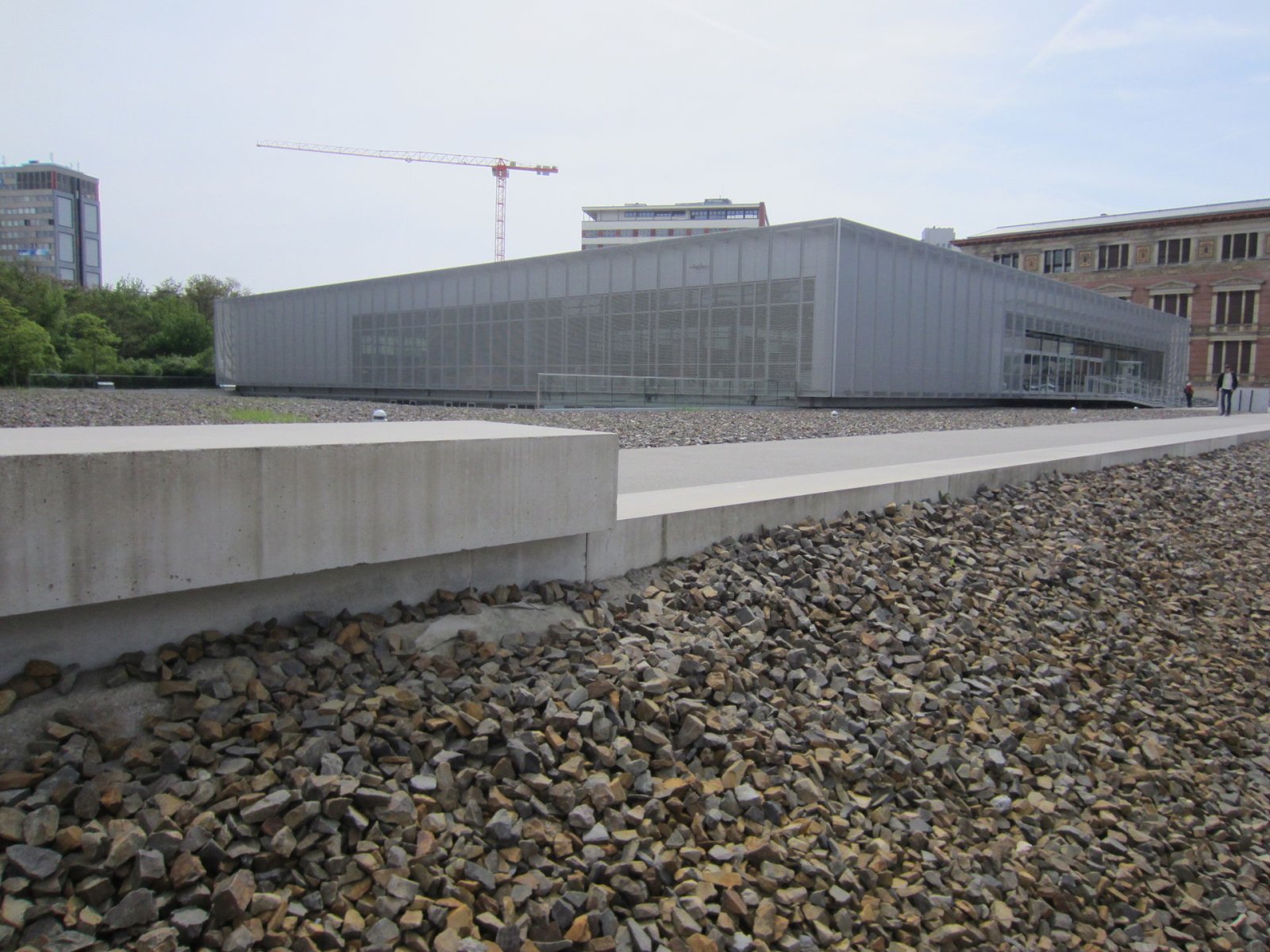
Inaugurated in 1987, the museum has evolved over time, becoming an important landmark for understanding German history. Visitors can explore exhibitions that document the atrocities perpetrated by the Nazi regime and the consequences these had on German society and the world as a whole.
History and Origins
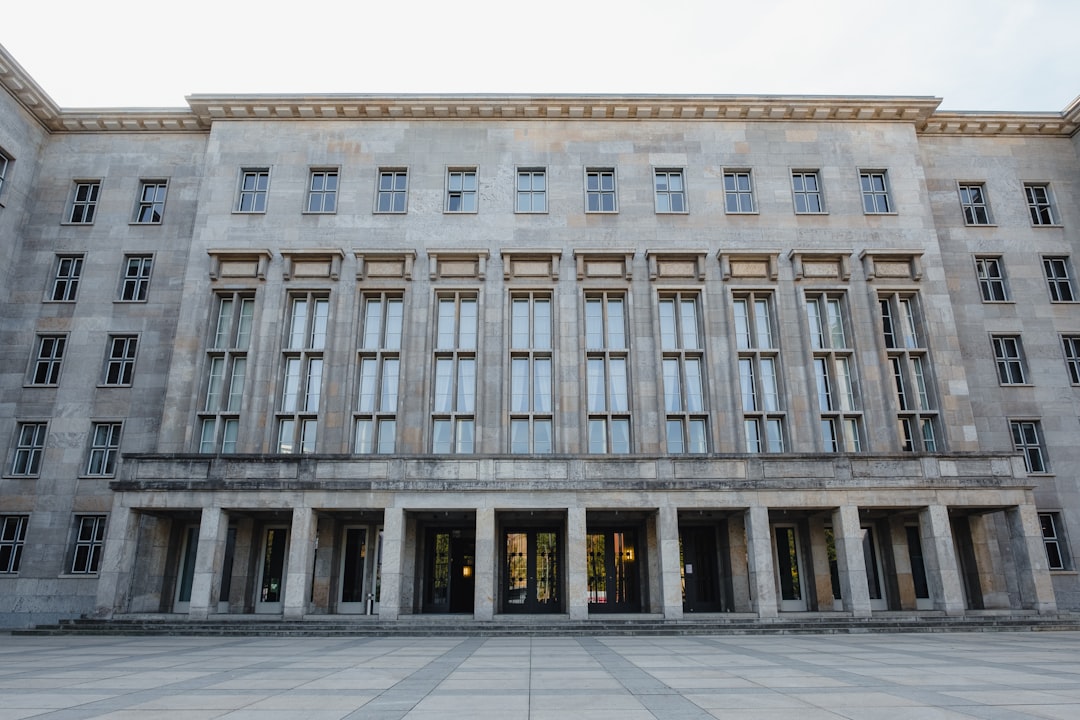
The site of the Topography of Terror stands on the remnants of the buildings that, during the Nazi regime from 1933 to 1945, housed the central offices of security. These buildings were destroyed by Allied bombings in 1945 and subsequently demolished. The history of this place is intrinsically linked to the memory of totalitarianism and human rights violations, making it an area for reflection and learning.
The choice to establish a museum at this site is symbolic: it represents a commitment to not forget the past and to educate future generations about the dangers of totalitarian ideology. The first exhibitions, launched in 1987, marked the beginning of a journey of rediscovery and reconciliation with a complex and painful history.
Elements to Observe
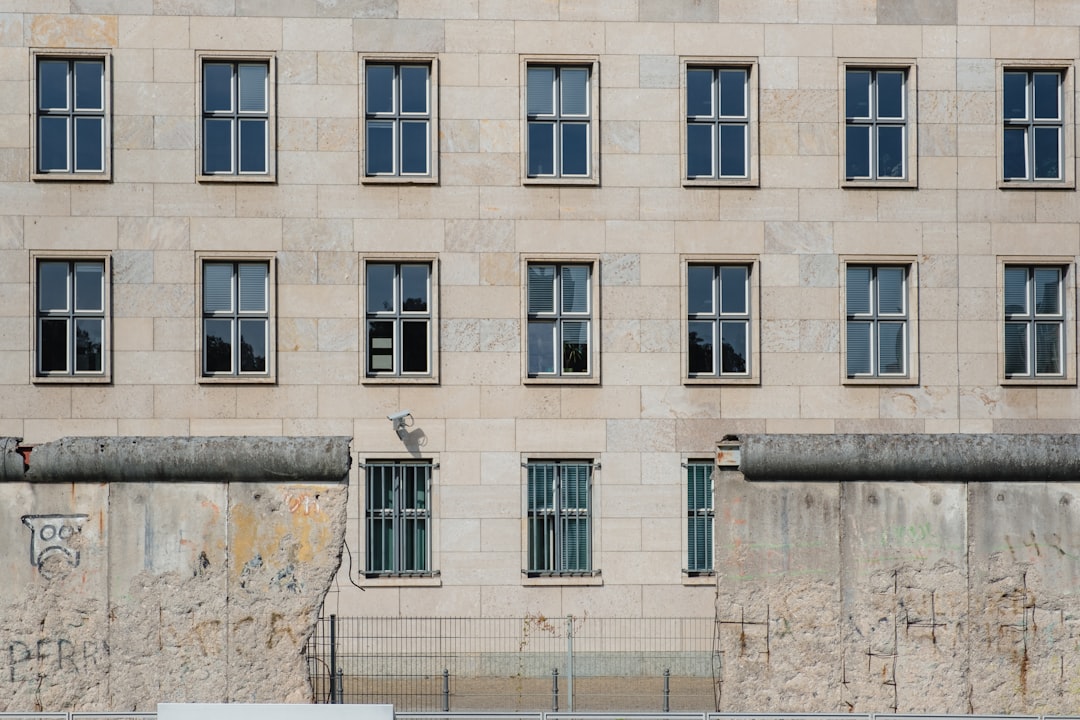
The museum offers a series of permanent and temporary exhibitions that address various aspects of the history of Nazism and its repression. Among the highlights, visitors can observe the remains of the original walls of the SS buildings, which serve as a tangible testimony to the past. Additionally, photographs, historical documents, and informational panels provide an in-depth look at the operations of the Gestapo and the SS, making the visit educational and moving.
Another significant element is the section dedicated to the history of the Berlin Wall, which runs along the perimeter of the museum. This part of the wall is one of the longest sections that remain intact and represents an important symbol of division and the struggle for freedom in Germany's recent history.
Why It Is Interesting Today
Today, the Topography of Terror is not only a place of memory but also a center for discussion and reflection on the themes of democracy and human rights. In an era where issues related to tolerance, inclusion, and historical memory are more relevant than ever, the museum represents an important resource for students, scholars, and citizens.
Its ability to stimulate dialogue and awareness on complex issues makes it a place of great interest for new generations, who can learn from the past to build a better future. The Topography of Terror invites consideration of individual and collective responsibilities in defending democracy and human rights.
Practical Information for Visitors
To visit the Topography of Terror, it is advisable to plan the visit in advance, as the museum is very popular. Admission is free, but donations can be made to support the museum's activities. Opening hours vary depending on the season, so it is useful to check the official website before going.
The museum's central location makes it easily accessible by public transport. Additionally, its proximity to other historical attractions in Berlin makes it an ideal starting point for exploring the city. Don't forget to download the Secret World app to discover more details and curiosities about this and other historical sites in Berlin.


