
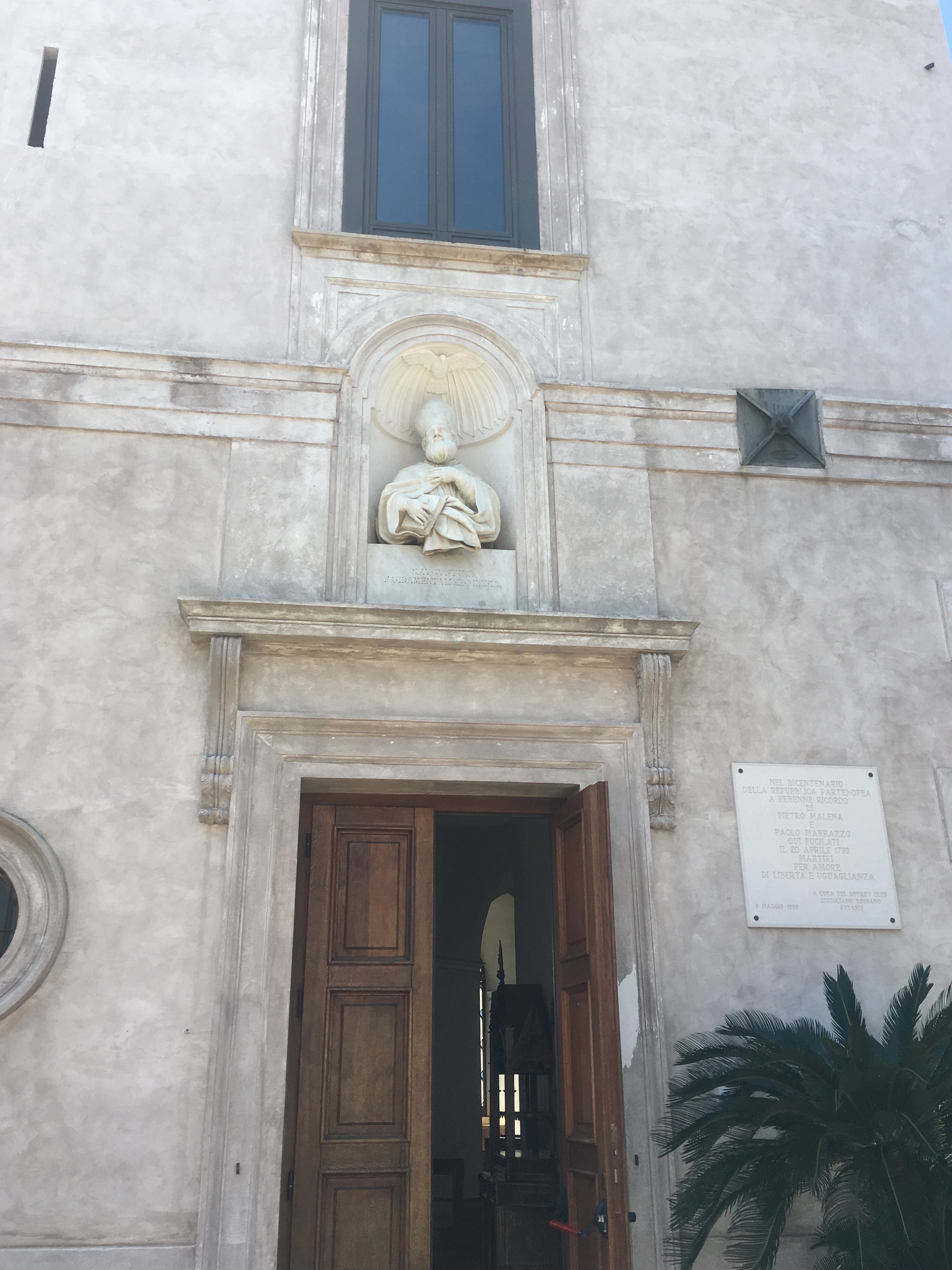

The picturesque town of Corigliano Calabro, nestled in the heart of southern Italy’s Calabria region, is a place where history and art intertwine. A hidden gem within this charming locale is the Bust of St. Augustine, attributed to the skilled hands of Pietro Bernini, father of the renowned sculptor Gian Lorenzo Bernini. This masterpiece is more than just an artistic treasure; it's a portal to the past, inviting visitors to explore the rich tapestry of history, culture, and tradition that defines Corigliano Calabro.
The origins of Corigliano Calabro date back to ancient times, with its foundation rooted in the era of Greek colonization. The town saw significant development during the Norman period, with its iconic Castello Ducale standing as a testament to its medieval past. This fortress, constructed around the 11th century, has witnessed the ebb and flow of numerous ruling powers, each leaving an indelible mark on its architectural and cultural landscape.
The Bust of St. Augustine is a remarkable example of early Baroque art, showcasing the transition from Renaissance styles to more dynamic and expressive forms. Pietro Bernini’s work is characterized by its delicate attention to detail and emotive expression, capturing the spiritual depth of St. Augustine with an almost lifelike presence. The bust is housed in the Chiesa di San Francesco di Paola, a church that itself is a marvel of historical architecture, blending Gothic and Renaissance elements with local Calabrian influences.
Art and architecture are woven into the very fabric of Corigliano Calabro. The town’s narrow streets are lined with palazzi, each telling its own story through intricate facades and ornate interiors. The Palazzo Compagna, with its grandiose design and frescoed halls, is a must-visit for art enthusiasts. The town's artistic significance lies in its ability to preserve these historical remnants, offering a glimpse into the artistic evolution of southern Italy.
Beyond art, Corigliano Calabro is steeped in local traditions that are celebrated with great fervor. The Festa di San Francesco di Paola, held annually in May, is a vibrant display of devotion and community spirit. The festival features processions, traditional music, and lively street performances, encapsulating the town’s cultural essence. This celebration honors the town’s patron saint and is a perfect opportunity for visitors to experience authentic Calabrian culture.
The gastronomy of Corigliano Calabro is a delightful journey through flavors that reflect its rich cultural heritage. The region is known for its Cipolla Rossa di Tropea, a sweet red onion that adds a unique taste to local dishes. Visitors can savor the Soppressata di Calabria, a spicy cured sausage, paired with a glass of Ciro wine, one of Calabria’s most esteemed red wines. For dessert, the Tartufo di Pizzo, a decadent truffle ice cream, is a must-try.
While the main attractions are captivating, Corigliano Calabro also holds lesser-known curiosities that intrigue the inquisitive traveler. The town is home to ancient olive groves and vineyards, some of which date back centuries. These lands produce some of Italy’s finest olive oils and wines, offering a taste of the region's agricultural legacy. Additionally, the Museo del Castello, located within the castle, houses an impressive collection of artifacts that paint a vivid picture of the area’s storied past.
For those planning a visit, the best time to experience Corigliano Calabro is during the spring and early summer months when the weather is mild, and the town's festivals are in full swing. Travelers should take time to wander the cobbled streets, allowing themselves to get lost in the town's timeless charm. A visit to the Chiesa di San Francesco di Paola to see the Bust of St. Augustine is essential, as is exploring the castle and sampling the local culinary delights.
Corigliano Calabro is not just a destination; it's a narrative of history, art, and culture waiting to be discovered. Whether you’re an art lover, history buff, or culinary enthusiast, this enchanting town offers something for everyone, leaving an indelible mark on all who visit.


