
← Back

Bibimbap: the dish par excellence of Korean cuisine

Seul, Corea del Sud ★★★★☆ 276 views
Karen Blixen
Seul
🏆 AI Trip Planner 2026

Get the free app

Discover the best of Seul with Secret World — the AI trip planner with 1M+ destinations. Get personalized itineraries, hidden gems and local tips. Free on iOS & Android.

🧠 AI Itineraries 🎒 Trip Toolkit 🎮 KnowWhere Game 🎧 Audio Guides 📹 Videos
Download on the App Store Get it on Google Play
Scan to download Scan to download
Bibimbap: the dish par excellence of Korean cuisine - Seul | Secret World Trip Planner

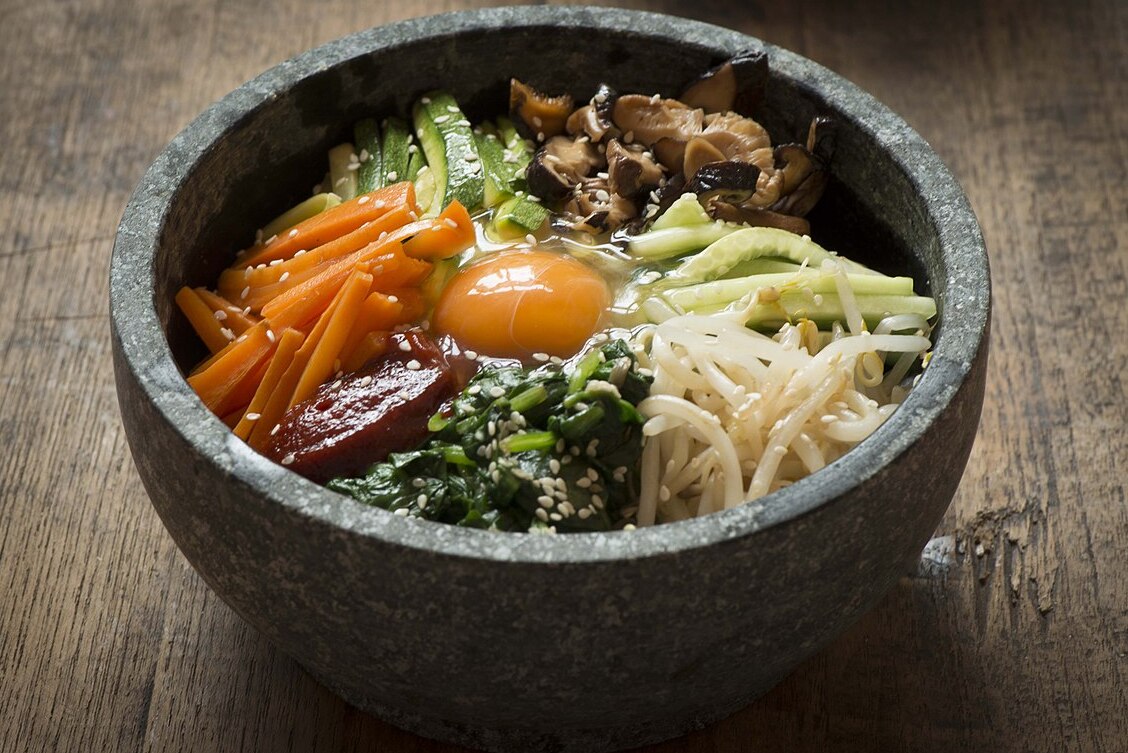
Bibimbap is more than just a dish; it is a vibrant representation of Korean cuisine that embodies history, culture, and the art of cooking. The name itself translates to ‘mixed rice,’ and it’s a delightful medley of steamed rice, a variety of vegetables, minced meat, and a raw or fried egg, all harmoniously combined with gochujang, a spicy red pepper paste. This iconic dish is often served in a hot stone bowl, known as dolsot, which keeps the meal warm and allows the bottom layer of rice to develop a crispy texture, enhancing the eating experience.

Bibimbap: the dish par excellence of Korean cuisine - Seul | Secret World Trip Planner

### History and Origins The roots of bibimbap can be traced back to the Goryeo Dynasty (918–1392), where it was known as ‘goldongban.’ Initially, it was considered a royal dish, served to the elite during feasts. However, it gained popularity among the common people due to its practicality, allowing diverse ingredients to be combined in one bowl, symbolizing the unity of life. During the Joseon Dynasty (1392–1897), bibimbap evolved into its modern form, reflecting the agricultural bounty of Korea, as it incorporates seasonal vegetables.

### Art and Architecture While bibimbap itself isn’t tied to a specific architectural style, it is often enjoyed in traditional hanok (Korean houses) restaurants that showcase the beauty of wooden structures crafted with meticulous attention to detail. These establishments often feature ondol heating systems and intricately decorated paper windows (hanji), creating a serene atmosphere that enhances the dining experience. Notable is the Jeonju Hanok Village, a preserved area where visitors can not only savor authentic bibimbap but also appreciate the harmonious blend of art and architecture that represents Korean heritage.

Bibimbap: the dish par excellence of Korean cuisine - Seul | Secret World Trip Planner

### Local Culture and Traditions In Jeonju, considered the birthplace of bibimbap, the dish is celebrated with its own festival known as the Jeonju Bibimbap Festival. This annual event, held in May, attracts food enthusiasts from across the globe who come to partake in cooking demonstrations, tastings, and cultural performances. Beyond the festival, bibimbap is a centerpiece in family gatherings and traditional celebrations, symbolizing abundance and the importance of sharing meals together. The dish also signifies the philosophy of ‘banchan,’ the small side dishes served with every meal, representing balance and harmony in dining.

### Gastronomy In addition to bibimbap, Jeonju is renowned for its culinary diversity. Guests can indulge in Jeonju-style Korean fried chicken, savory jeon (Korean pancakes), and makgeolli (a traditional rice wine). The city’s emphasis on using local, organic ingredients elevates the dining experience, as chefs strive to create dishes that celebrate the region’s agricultural richness. Be sure to try Jeonju's version of bibimbap, where the rice is cooked in broth instead of water, adding depth and flavor to this beloved dish.

### Lesser-known Curiosities While bibimbap is widely recognized, many may not know that it was once regarded as a dish for the poor, utilizing leftovers and seasonal vegetables to create a nutritious meal. Additionally, the colorful presentation of bibimbap isn’t just for aesthetics; it reflects the Korean philosophy of balance and the belief that food should nourish both the body and spirit. Hidden gems can be found in local markets where you can witness the preparation of kimchi and other essential side dishes that accompany bibimbap, providing a deeper understanding of Korean culinary traditions.

### Practical Visitor Information The best time to visit Seoul for a bibimbap experience is during the spring (April to June) and autumn (September to November) when the weather is mild and the scenery is picturesque. For an authentic experience, head to Jeonju, but in Seoul, neighborhoods like Insadong and Myeongdong offer numerous restaurants that serve this iconic dish. When dining, look for the dolsot bibimbap option to enjoy the crispy rice, and don’t hesitate to mix in the gochujang to customize the heat level to your liking.

As you explore Seoul and indulge in the diverse flavors of bibimbap, use the Secret World app to plan a personalized AI itinerary that guides you through the city's culinary and cultural treasures.

🗺 AI Trip Planner

Plan your visit to Seul

Suggested itinerary near Bibimbap: the dish par excellence of Korean cuisine

MAJ+
500.000+ travelers worldwide
  1. 🌅
    Morning
    Bibimbap: the dish par excellence of Korean cuisine
    📍 Seul
  2. ☀️
    Afternoon
    Seul and The Demilitarized Zone( DMZ)
    📍 0 km da Seul
  3. 🌆
    Evening
    San-nakji – South Korea
    📍 0 km da Seul

Buy Unique Travel Experiences

Powered by Viator

See more on Viator.com

Explore nearby · Seul
