
The Demilitarized Zone (DMZ) is more than just a geographical boundary; it is a poignant testament to the enduring tensions between North Korea and South Korea. Located just 50 kilometers north of Seoul, this strip of land, established in 1953 after the Korean War, has become a focal point for tourists seeking to understand the complex history and culture of the region.
### History and Origins The DMZ was created as part of the Korean Armistice Agreement signed on July 27, 1953, which halted the active combat of the Korean War but did not officially end the conflict. This unique buffer zone, stretching approximately 250 kilometers across the Korean Peninsula, is a remnant of a divided nation. The historical significance of the DMZ lies not only in its military implications but also in its role as a symbol of the division between North and South Korea.
Prior to the war, Korea was rich in history, with ancient kingdoms like Goguryeo, Baekje, and Silla dominating the landscape. The division in 1945 following World War II set the stage for a geopolitical struggle that would define the peninsula for decades. Today, the DMZ stands as a stark reminder of this tumultuous past.
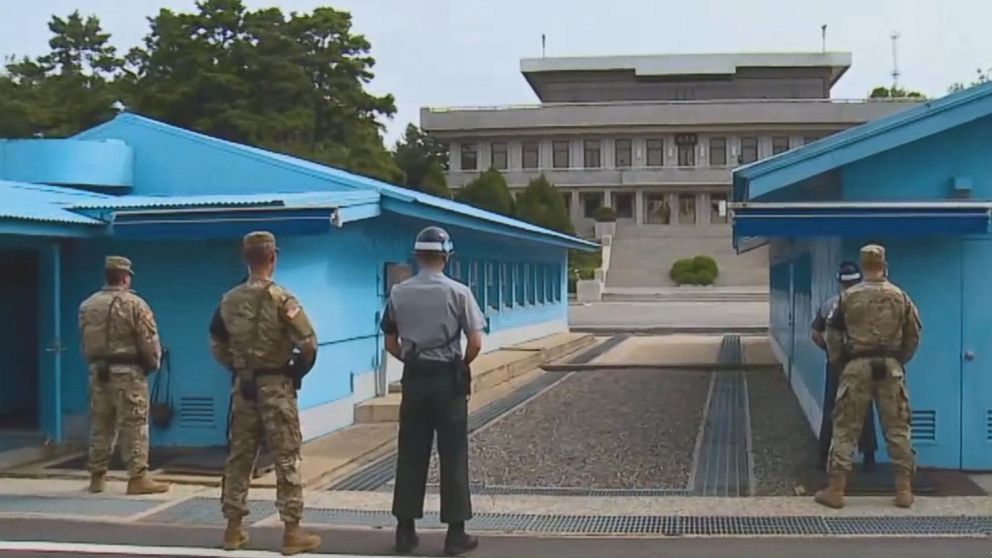
### Art and Architecture While the DMZ is primarily recognized for its military significance, it also boasts a unique architectural landscape. The Joint Security Area (JSA) at Panmunjom is where soldiers from both sides stand face-to-face. The blue huts, officially known as Freedom House and Peace House, are emblematic of peace talks, decorated with the flags of both nations.
Art installations, such as the DMZ Peace Trail, offer a different perspective. This trail features various artworks that express the longing for peace and reconciliation, blending nature with poignant messages. The Third Infiltration Tunnel, discovered in 1978, showcases not just military history but also the engineering prowess of North Korea, adding another layer of significance to the DMZ.
### Local Culture and Traditions The culture surrounding the DMZ is steeped in a blend of sorrow and hope. The Korean War Veterans Day, observed annually on July 27, is a poignant reminder of the sacrifices made during the conflict. Festivals such as the DMZ Peace Festival celebrate the aspirations for reunification, showcasing traditional music, dance, and food from both regions.
Local customs in the areas surrounding the DMZ include a profound respect for the history of the land. Visitors often participate in guided tours led by individuals who lived through the war, offering personal narratives that enrich understanding of the ongoing conflict.
### Gastronomy The culinary landscape of Seoul reflects its historical and cultural roots. While visiting the DMZ, you can experience traditional Korean dishes that tell stories of resilience. Kimchi, a staple made from fermented vegetables, symbolizes the preservation of Korean culture despite adversity. Another popular dish is Bulgogi, marinated beef grilled over an open flame, representing the warmth of Korean hospitality.
Don’t miss trying Bibimbap, a vibrant rice dish topped with assorted vegetables, egg, and often beef, symbolizing harmony amidst diversity. Pair these with local drinks like Makgeolli, a traditional rice wine, to fully immerse yourself in the local gastronomy.
### Lesser-Known Curiosities Many tourists might overlook the DMZ's wildlife. Surprisingly, the area has become an unexpected sanctuary for various species, including endangered birds and plants, due to its limited human activity. The Korean Demilitarized Zone Ecological Park is a hidden gem that offers a glimpse into this unique ecosystem.
Additionally, the Tunnels of Aggression, built by North Korea to facilitate invasions, are a chilling reminder of the ongoing tensions. The existence of these tunnels, along with the Dora Observatory, where visitors can glimpse into North Korea, adds layers of intrigue that many miss during their visit.
### Practical Visitor Information The best time to visit the DMZ is during the spring (April to June) and fall (September to November) when the weather is mild, and the scenery is at its most beautiful. Guided tours are highly recommended, as they provide insights and access to restricted areas.
When planning your visit, ensure to carry your passport, as identification is required at checkpoints. Look out for historical markers, interactive exhibits, and the poignant remnants of the past that speak to the resilience of the Korean people.
In conclusion, the DMZ and Seoul together form a compelling narrative of a nation divided yet yearning for peace. Engaging with its history, culture, and gastronomy provides a richer understanding of this complex region. To craft a personalized itinerary that captures the essence of your visit to Seoul, consider using the Secret World app.