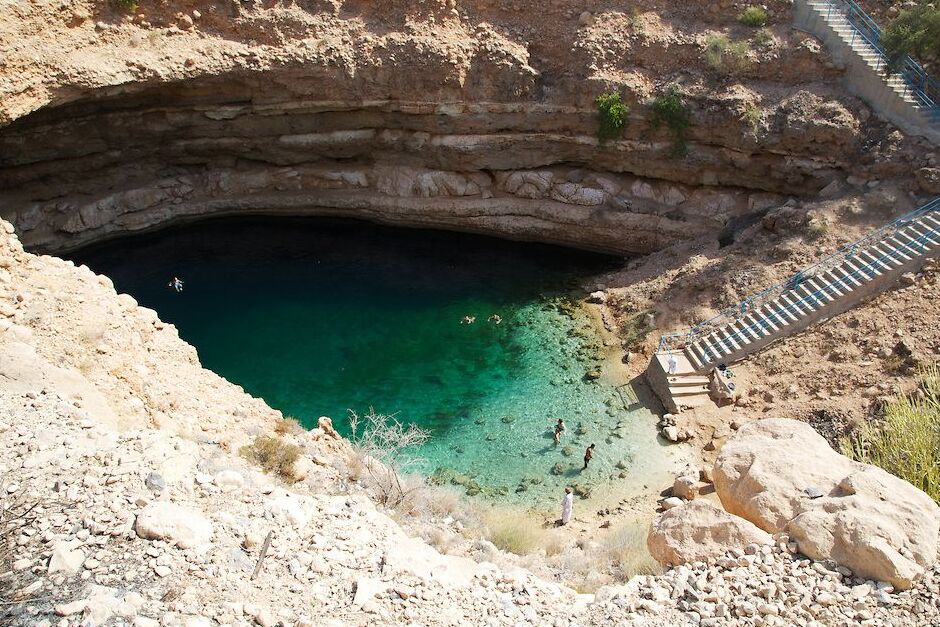

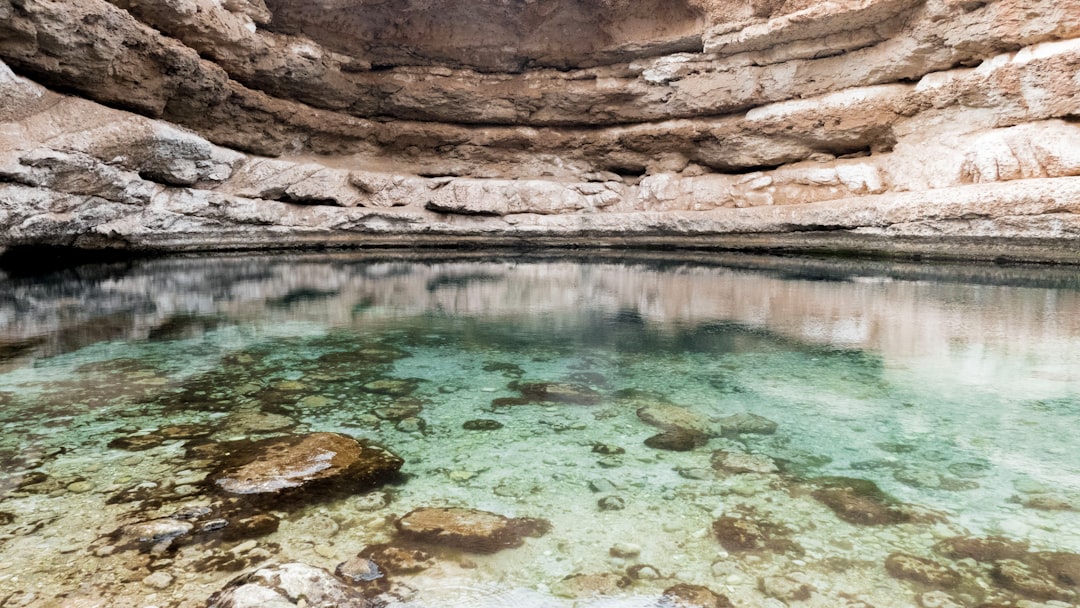
Bimmah Sinkhole, or Hawaiyat Najm, is a stunning natural wonder located in Oman, renowned for its breathtaking turquoise waters. The sinkhole’s origins are steeped in both legend and geology. Locally known as Hawaiyat Najm, which translates to “falling star,” the sinkhole is said to have been formed by a meteorite impact. However, geologists attribute its formation to limestone erosion caused by water beneath the surface. Measuring between 50 to 70 meters in diameter and reaching depths of 20 meters, the sinkhole is a mesmerizing blend of fresh and saltwater, thanks to its connection to the nearby Arabian Sea through an underwater tunnel. This unique hydrology gives the water its signature azure hue, making it a popular spot for both locals and tourists alike.
### History and Origins The history of Bimmah Sinkhole is as captivating as its visual allure. While the legend of a falling star might capture the imagination, the geological history reveals a more complex narrative. This natural wonder is believed to have formed thousands of years ago due to the dissolution of limestone by acidic groundwater, a process that gradually led to the dramatic collapse of the ground. This phenomenon not only created the sinkhole but also shaped the surrounding landscape, making it a significant geological feature in the region. The sinkhole is situated in the Muscat Governorate, approximately 600 meters from the Arabian Sea, making it an important point of interest for both environmental studies and tourism.
### Art and Architecture While the sinkhole itself is a natural formation, it is surrounded by stunning landscapes that reflect Oman’s rich cultural heritage. The architectural style in the nearby areas is characterized by traditional Omani forts and mosques, crafted from local materials that harmonize with the natural environment. Noteworthy structures, such as the Bahla Fort, a UNESCO World Heritage Site, showcase intricate stonework and artistry that speak to Oman’s historical significance as a trading and cultural hub. The contrast between the natural beauty of Bimmah Sinkhole and the man-made architecture creates a unique visual narrative, blending nature and culture seamlessly.
### Local Culture and Traditions Visiting Bimmah Sinkhole provides a glimpse into local Omani customs and traditions. The sinkhole is not just a natural wonder; it is a gathering place for families and friends, especially during the cooler months. Locals often share picnics along the edges, enjoying traditional dishes such as shuwa (slow-cooked lamb) and majboos (a spiced rice dish). Festivals such as the Muscat Festival showcase Omani culture, featuring music, dance, and food that reflect the nation’s rich history. The community’s connection to the sinkhole emphasizes the importance of nature in Omani life, serving as a reminder of the balance between environmental beauty and cultural heritage.
### Gastronomy The culinary landscape near Bimmah Sinkhole is rich with flavors that tell the story of Oman’s history. Traditional Omani cuisine emphasizes the use of spices, fresh herbs, and locally sourced ingredients. Visitors can indulge in dishes like halwa (a sweet confection) and coffee, often served in small, ornate cups. The region is also known for its seafood, thanks to its proximity to the Arabian Sea. Freshly caught fish, grilled or spiced, is a staple in many local restaurants, offering a taste of the sea that complements the vibrant atmosphere around the sinkhole.
### Lesser-known Curiosities While many visitors flock to the sinkhole for its beauty, there are hidden details that often go unnoticed. For instance, the local flora surrounding the sinkhole includes unique species adapted to the arid environment, creating a miniature ecosystem of its own. Additionally, the sinkhole is a popular spot for divers and snorkelers, who can explore its depths and discover the interplay of fresh and saltwater. Stories of the sinkhole’s origins vary, with some locals sharing tales of mythical creatures residing in the waters, adding a layer of mystique to the experience.
### Practical Visitor Information The best time to visit Bimmah Sinkhole is during the cooler months, between October and March, when temperatures are more favorable for outdoor activities. Visitors should wear comfortable shoes, as the area may involve some walking and exploring. Facilities such as picnic areas and restrooms are available, making it an ideal spot for family outings. Look out for the stunning sunsets, which create a mesmerizing reflection on the water’s surface, enhancing the beauty of this natural wonder.
Bimmah Sinkhole is not just a site to see; it’s an experience that immerses you in the heart of Omani culture and nature. Embrace the stories, the flavors, and the stunning vistas that await you in this remarkable destination. To make the most of your visit, consider using the Secret World app to craft a personalized itinerary that aligns with your interests.
