
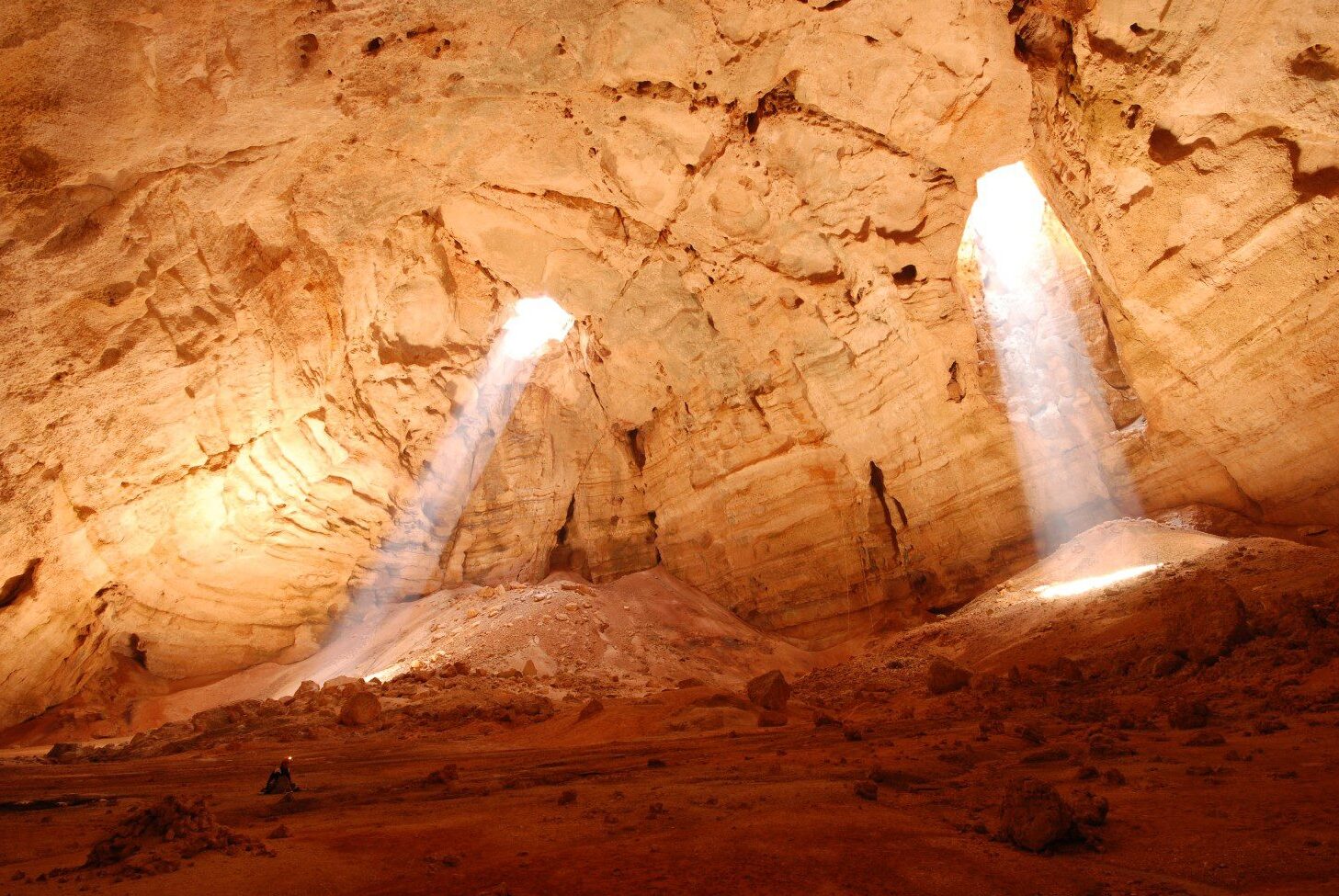

In the heart of the Selma Plateau, amidst the rugged beauty of Oman, lies the breathtaking Majlis al Jinn, a cavern that evokes both awe and wonder. This monumental cave chamber, the second-largest in the world by surface area, stretches across an astonishing 58,000 square meters and reaches heights of up to 120 meters. Its name translates to “Meeting Place of the Jinn,” reflecting the region’s rich tapestry of folklore and ancient tales.
The origins of Majlis al Jinn can be traced back to the natural processes of karst formation. The cave was carved over millennia by the dissolution of limestone, a process that continues to shape its interior. While the exact date of its discovery remains elusive, reports suggest that it was relatively unknown until the late 20th century when adventurers and cavers began to explore its depths. The cave's remote location at 1,380 meters above sea level adds to its mystique, enticing those with a sense of adventure to uncover its secrets.
Architecturally, Majlis al Jinn is a marvel. The cave boasts three natural openings in the ceiling, allowing sunlight to filter in and illuminate the expansive chamber. This interplay of light and shadow creates a surreal atmosphere, inviting visitors to reflect on the power of nature. The walls of the cave are adorned with stunning formations of stalactites and stalagmites, each telling a story of time and geological evolution. Although there are no man-made artworks within the cave, the natural beauty is a testament to the artistry of the earth’s processes.
The cultural significance of Majlis al Jinn extends beyond its geological features. In local Omani culture, legends of the jinn—supernatural beings believed to inhabit the cave—are deeply ingrained in the collective psyche. These stories often serve as cautionary tales or moral lessons passed down through generations. The cave is sometimes a focal point for local gatherings, where folklore is shared, and traditions celebrated, particularly during festivals that honor the region’s heritage.
When it comes to gastronomy, the surrounding region of Oman offers a delightful array of local foods that reflect its rich cultural tapestry. Visitors can savor shuwa, a traditional dish of marinated lamb wrapped in banana leaves and slow-cooked in an underground sand oven. Accompanying this dish, majboos, a fragrant rice dish with spices, is a staple at Omani feasts. To wash it down, seek out qamar al-din, a refreshing apricot juice that is both delicious and reminiscent of the region's agricultural roots.
One of the lesser-known curiosities about Majlis al Jinn is the cave's unique acoustics. The vast open space creates an echo that can amplify even the faintest sound, leading to a mesmerizing auditory experience. Additionally, while many visitors come for the breathtaking visuals, few are aware that the cave is home to a variety of bat species. These creatures play an essential role in the local ecosystem, contributing to the biodiversity of the region.
For those considering a visit, the best time to explore Majlis al Jinn is during the cooler months, from October to March. Temperatures are more pleasant, making the trek to the cave enjoyable. It is advisable to come prepared with sturdy footwear and a reliable flashlight, as the path can be rugged and the cave's interior quite dark. Look out for the unique geological formations that showcase the cave's history and evolution, each formation a silent witness to the earth's ancient past.
In conclusion, Majlis al Jinn is not just a cave; it is a portal into the rich history, culture, and natural beauty of Oman. Whether captivated by its sheer size, enchanted by its legends, or simply seeking the thrill of exploration, visitors will find a treasure trove of experiences. For a tailored journey to uncover the wonders of this remarkable place, consider using the Secret World app to plan your personalized itinerary.


